Recent social media posts from President Donald Trump and U.S. Sen. Tommy Tuberville (R-Auburn) are highlighting Alabama’s opportunity to attract new data center investments while protecting existing utility customers from higher costs.
President Donald Trump highlighted Alabama this week after New York Gov. Kathy Hochul imposed a temporary statewide moratorium on permits for new hyperscale data centers.
Trump criticized the move as a costly mistake that would send investment, jobs and tax revenue to other states, including Alabama, Texas, Florida and Arizona.
He described data centers as “Money Machines” and “LIQUID GOLD” for states and communities that attract them.
— Rapid Response 47 (@RapidResponse47) July 15, 2026
New York’s executive order pauses state environmental permits for new hyperscale data centers for up to one year while officials develop new standards addressing electricity costs, grid reliability, water use and community impacts.
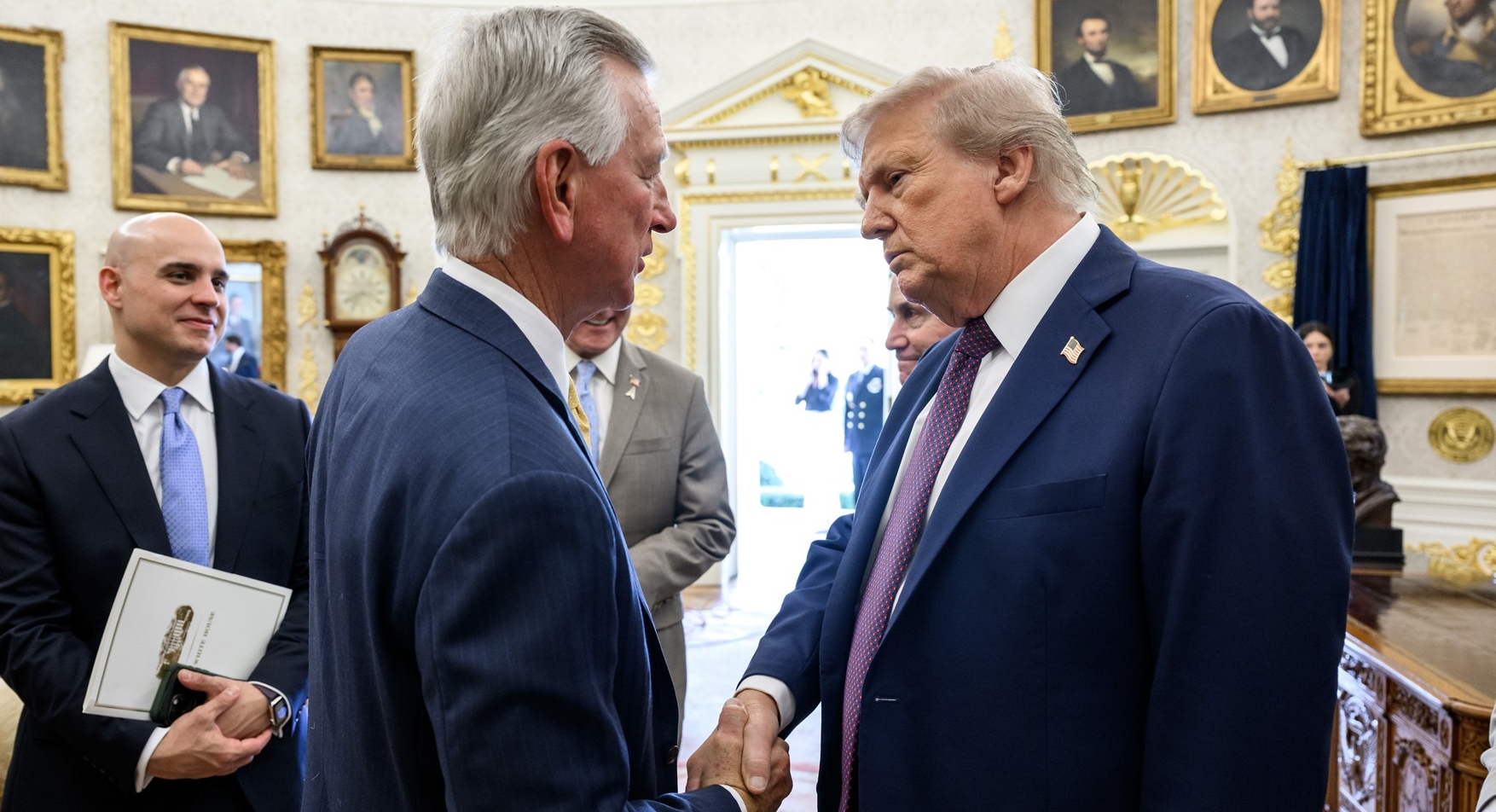
U.S. Sen. Tommy Tuberville backed Trump’s argument that Alabama could gain from states placing new restrictions on development.
“President Trump is exactly right. Data centers are a GOLD MINE and could help support law enforcement and improve education in states like Alabama,” Tuberville (R-Auburn) wrote on X.
He also added a condition to that support.
“But we have to make sure we also protect ratepayers,” Tuberville wrote.
President Trump is exactly right. Data centers are a GOLD MINE and could help support law enforcement and improve education in states like Alabama.
But we have to make sure we also protect ratepayers.https://t.co/ZJkeQ8PZNq
— Coach Tommy Tuberville (@SenTuberville) July 16, 2026
The question of who pays for the enormous power needs associated with hyperscale data centers has become central to the national debate surrounding their rapid expansion.
In March, Trump announced a Ratepayer Protection Pledge signed by leading technology and artificial intelligence companies.
Under the pledge, participating companies agreed to negotiate separate utility rate structures and pay for the new electricity generation and power-delivery infrastructure needed to serve their data centers.
The White House said companies would remain responsible for those costs even if they ultimately used less electricity than originally projected.
The policy is intended to allow the United States to build the infrastructure needed for artificial intelligence without raising household electricity bills.
For Alabama, the potential benefits include construction investment, new tax revenue and additional demand for power generation and infrastructure.
Tuberville’s response reflects the balance state leaders will face as more projects look toward Alabama: remaining open to large-scale investment while ensuring households and existing businesses do not subsidize the power needs of hyperscale facilities.
Sawyer Knowles is a state and political reporter for Yellowhammer News. You may contact him at [email protected].