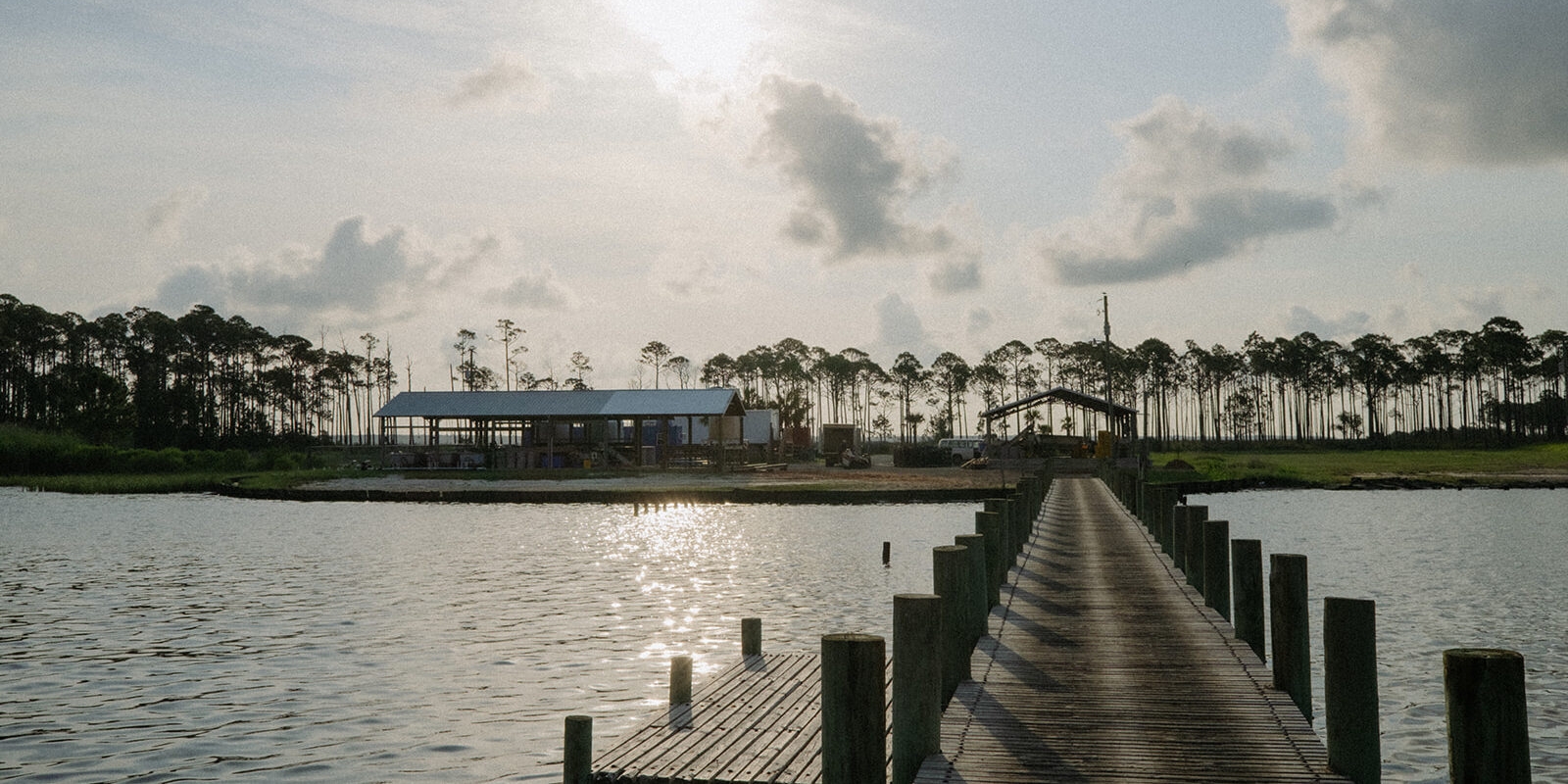
Standing along the waters of Bayou La Batre, it is easy to understand what is at stake.
The bay supports oyster farms, commercial fishermen, and countless coastal species. It fuels local businesses and shapes a way of life that has existed for generations. Just upstream, rivers and creeks carry water from across Alabama before eventually emptying into Mobile Bay, connecting communities hundreds of miles apart through a shared natural resource.
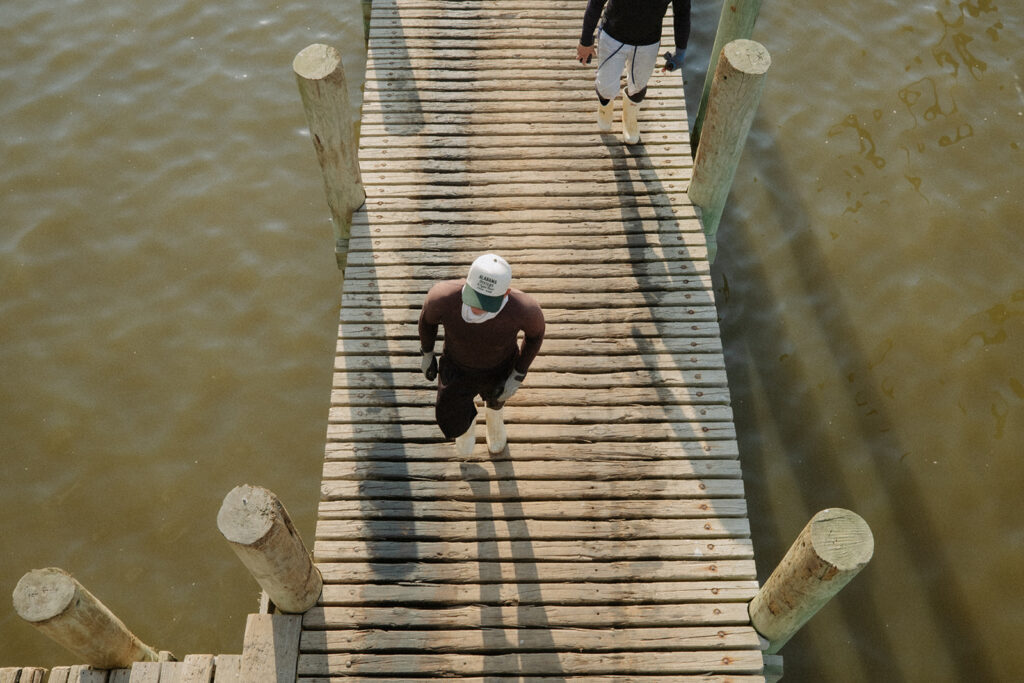
That connection is what brought Alabama Beer Co. and Murder Point Oysters together.
While one company brews beer in North Alabama and the other raises oysters along the Gulf Coast, both depend on healthy waterways. For Alabama Beer Co. founder and CEO Stephen Gann, that reality inspired a mission that extends far beyond beer sales.
“We’re different companies, but we rely on the same thing: clean water,” Gann says.
A Mission Beyond the Beer
When Gann launched Alabama Beer Co. with brewer Luke Garner, the goal was simple: create a local lager made specifically for Alabama. As the company grew, Gann began thinking about how the brand could give back to the state that inspired it. After conversations with Alabama Rivers Alliance Executive Director Cindy Lowry, Alabama Beer Co. established DRIFT—Defending River Integrity For Tomorrow—a fund dedicated to supporting conservation efforts across the state.
Today, a portion of every Alabama Beer Co. beer sold helps provide rapid-response grants for organizations working to protect and improve Alabama’s waterways.
Unlike traditional grants that can take months to secure, DRIFT was designed to help organizations address immediate needs. Funding can support everything from educational programs and recreational access projects to equipment purchases and water-quality initiatives. Since its launch, the fund has raised more than $22,000 for conservation efforts across Alabama.
For Gann, one of the most rewarding aspects of the program is its ability to support organizations that often lack the resources or manpower of larger groups. “We decided to jump-start that,” he says.
Protecting a Shared Resource
The fund’s impact reaches communities throughout the state, but its mission is perhaps easiest to understand on Alabama’s coast, where clean water directly influences livelihoods.
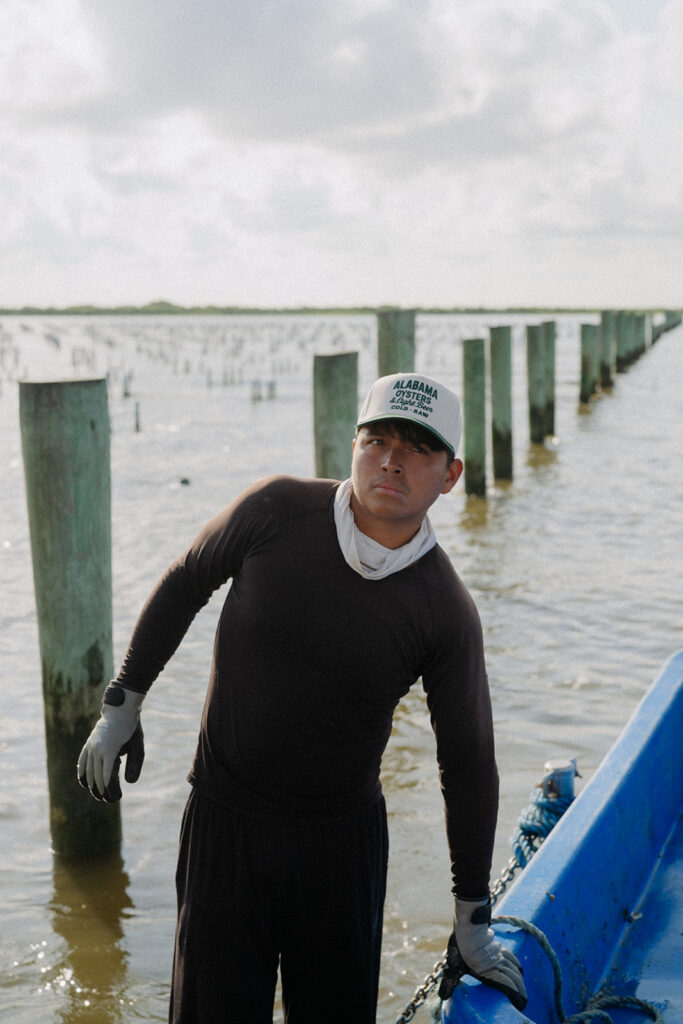
That reality is especially visible in Mobile Bay, where oyster harvesting depends on the health of coastal waters. The same waterways Alabama Beer Co. works to protect upstream eventually flow south, creating the conditions necessary for oysters to thrive.
The connection between river systems and coastal waters highlights a broader truth about Alabama’s environment: what happens upstream affects life downstream, from North Alabama all the way to the Gulf.
An Investment in Alabama’s Waters
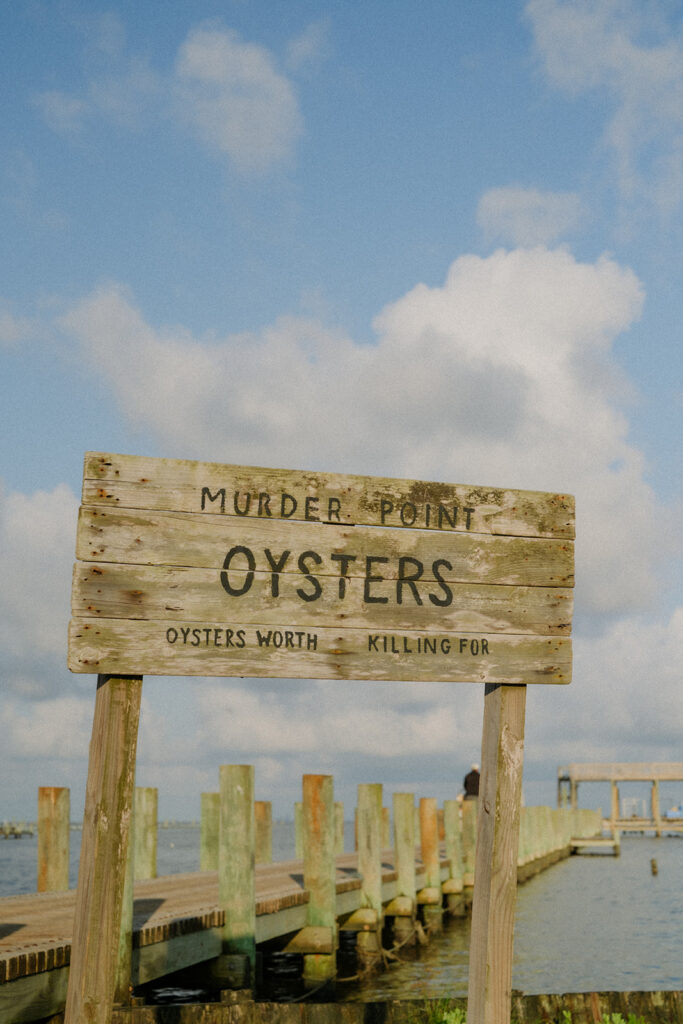
That shared perspective has made the connection between Alabama Beer Co. and Murder Point a natural fit. Both companies recognize that healthy waterways are essential not only to their businesses but also to the communities that depend on them.
“It makes me proud to be an Alabamian,” Gann says. “‘Alabama the Beautiful’ isn’t just a saying. Alabama gets a bad rap from people who haven’t been here, but once you come here, you see how amazing it is.”
For Gann, conservation has become one of the most meaningful parts of building Alabama Beer Co. Every beer sold contributes, in a small way, to protecting the rivers, streams, bays and coastal waters that connect the state from north to south.
At its heart, what Alabama Beer Co. and Murder Point Oysters share is a love letter to the same water. From mountain springs to salt marshes, Alabama’s waterways run through everything: the wildlife that depends on them, the livelihoods built beside them, the communities shaped by their currents. Keeping them clean is constant work, but for the people who know these waters best, there’s never been a question of whether it’s worth it.
Don’t miss a story. Subscribe to our newsletter and get the best of Alabama delivered to your inbox every Friday.