What began as one family’s response to a diagnosis has, over three decades, grown into one of Alabama’s most impactful engines for breast cancer research.
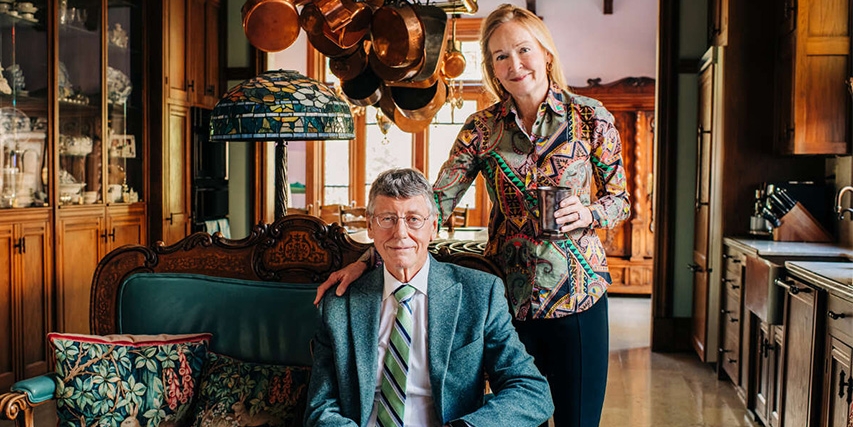
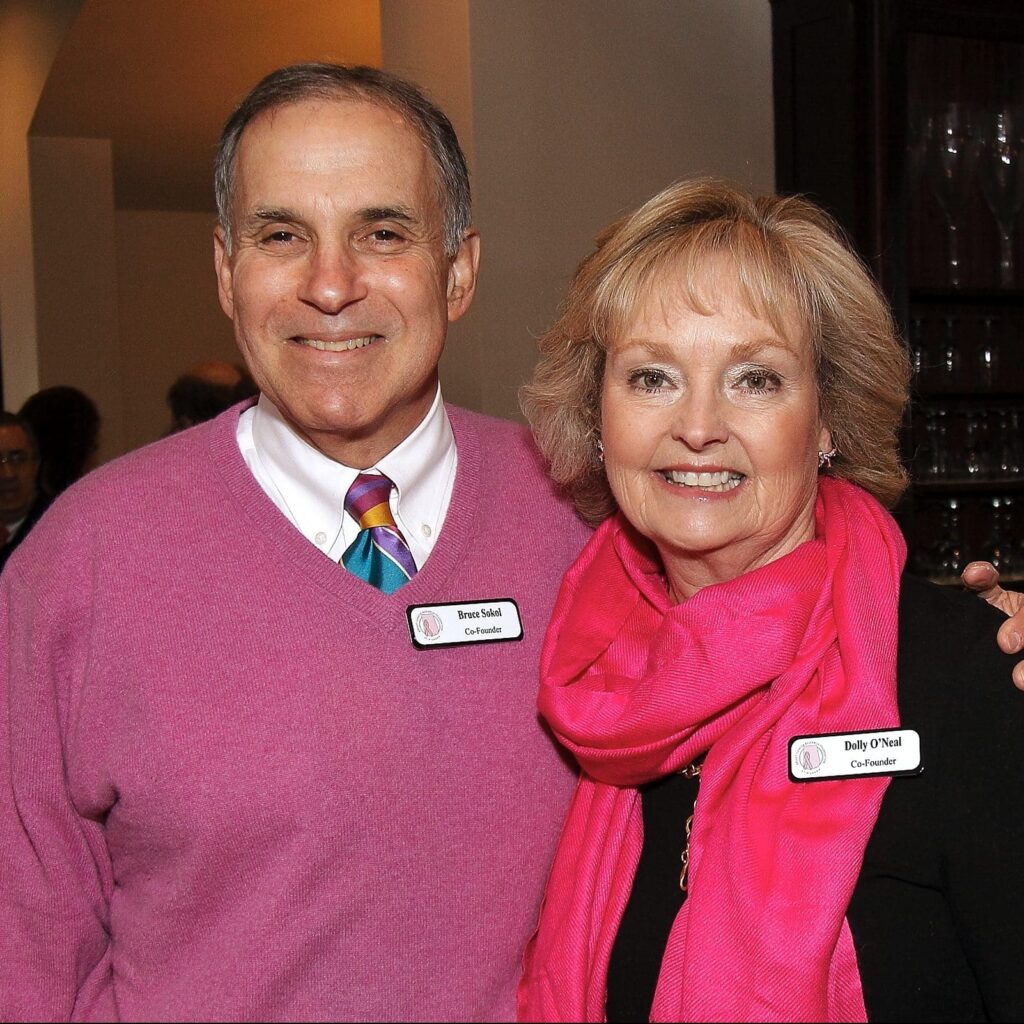
In 1996, the Breast Cancer Research Foundation of Alabama (BCRFA) was founded by Dolly O’Neal and Bruce Sokol—two people brought together by a shared, deeply personal experience with the disease. At the time, breast cancer wasn’t widely discussed. Resources were limited. And for many families, the path forward felt uncertain.
For Sokol, it started at home.
“When my wife was diagnosed, it came as a complete shock,” he says. “She was a nurse, she took great care of herself—we just didn’t expect it. I remember walking in the house after my son’s little league practice and immediately knowing something was wrong.”
What followed was a crash course in a disease he didn’t fully understand—and a determination to do something about it. “I remember the fear and the anger,” he says. “I’m a competitive person, and I knew I wanted to fight this—but I didn’t know how.”
That answer began to take shape just a few months later, at a Race for the Cure event in Birmingham.
“As I was running, it hit me—this disease affects not just women, but entire families,” he says. “I kept thinking, ‘How am I going to fight this?’”
By the end of the race, he had an idea: a golf tournament dedicated to raising money for breast cancer research. “I went straight to the organizers and said, ‘Who’s in charge?’” he recalls. “They told me they’d tried golf tournaments before and they didn’t work—but I wasn’t going to let it go.”
Not long after, he was introduced to Dolly O’Neal, who had hosted a small tournament of her own. The two quickly realized they shared the same vision.
“We sat down and said, ‘What if this could be bigger?’” Sokol says. “We decided to find people who felt the same way and build something together.”
By the spring of 1996, that idea had taken form. Their first tournament raised $86,000 in a single day.
“I can’t tell you how many people came up to us and said, ‘We want to help,’” he says. “That’s when I knew the timing was right.”
Built in Alabama, for Alabama
From the beginning, BCRFA made a defining decision: to keep its impact local.
Today, that commitment remains at the core of its mission. Since its founding, the organization has invested more than $17 million into breast cancer research across Alabama, funding projects at institutions across the state, including the O’Neal Comprehensive Cancer Center at UAB, HudsonAlpha Institute for Biotechnology, Auburn University, Tuskegee University and more.
“All of the money stays here,” Sokol says. “People want to know their dollars are making a difference in their own communities—and with us, they are.”
That local focus doesn’t limit the reach; instead, it amplifies it. By providing early-stage, or “seed,” funding, BCRFA helps researchers gather the data needed to secure larger national grants—often generating more than ten times the initial investment in follow-up funding.
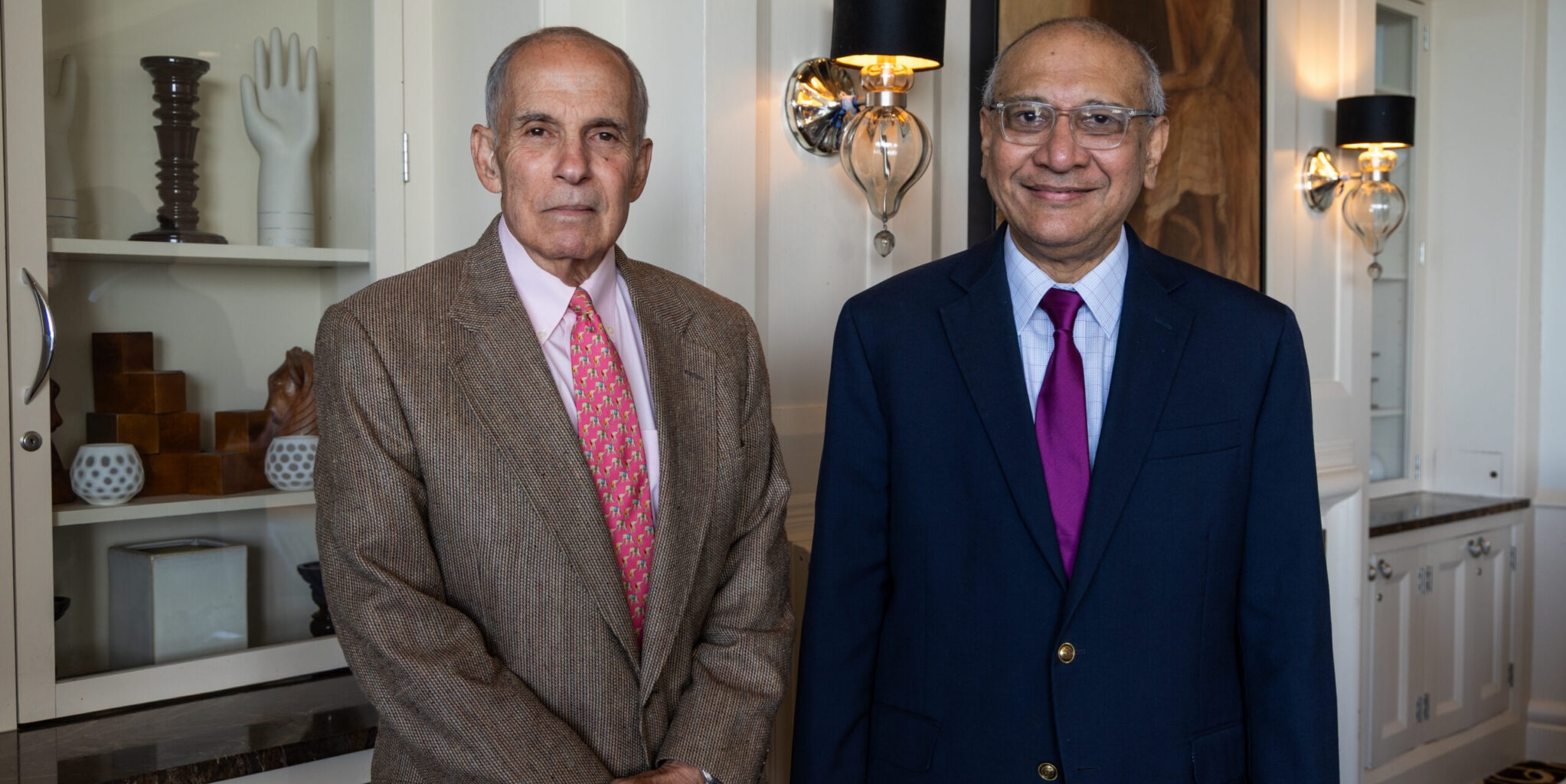
“It allows scientists to ask questions they might not otherwise be able to explore,” says Dr. Anindya Dutta, the newly appointed holder of the O’Neal-Sokol BCRFA Endowed Chair at UAB. “One curiosity-driven idea can lead to something transformative.”
From grassroots to groundbreaking
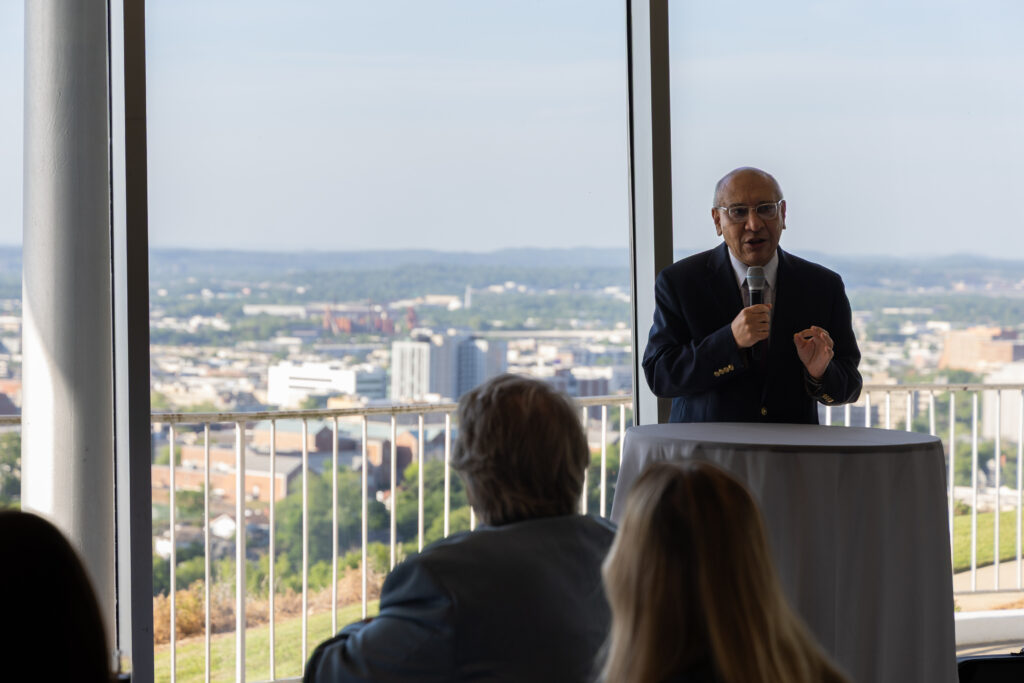
For Dutta, whose research focuses on the genetic mechanisms behind cancer, that kind of support is essential. “I realized early in my career that so much of what could help patients simply hadn’t been discovered yet,” he says. “That’s what drew me into research.”
Now at UAB, he’s studying how cancer cells replicate and evolve—and how those processes might be interrupted.
“Cancer cells are very adept at copying their DNA,” he explains. “If we can understand how that process changes—and potentially interfere with it—we may be able to develop new ways to treat the disease.”
His work also explores how inherited genetic differences influence not just a person’s risk of cancer, but how they respond to treatment—an area that could reshape the future of care.
“When we talk about personalized medicine, we’re talking about tailoring treatment to the individual biology of each patient,” he says. “That’s where the field is heading.”
That future is already beginning to take shape, driven by advances in genomic sequencing and artificial intelligence. “The amount of data we can now analyze is extraordinary,” Dutta says. “AI has the potential to help us make sense of it in ways we couldn’t before—and that could fundamentally change how we approach treatment.”
A partnership that changed everything
Looking ahead
Thirty years in, the work is far from finished—but the progress is undeniable, and much of it can be measured. For Sokol, the clearest evidence is in the data. “The biggest changes I’ve seen are in the statistics,” he says. “The numbers show we’re moving in the right direction.” What once felt like an uncertain, uphill fight now carries a growing sense of momentum, driven by advances in research and a deeper understanding of the disease.
How to get involved
Thirty years after its founding, BCRFA remains rooted in the same idea that started it all: that anyone can play a role in moving research forward.
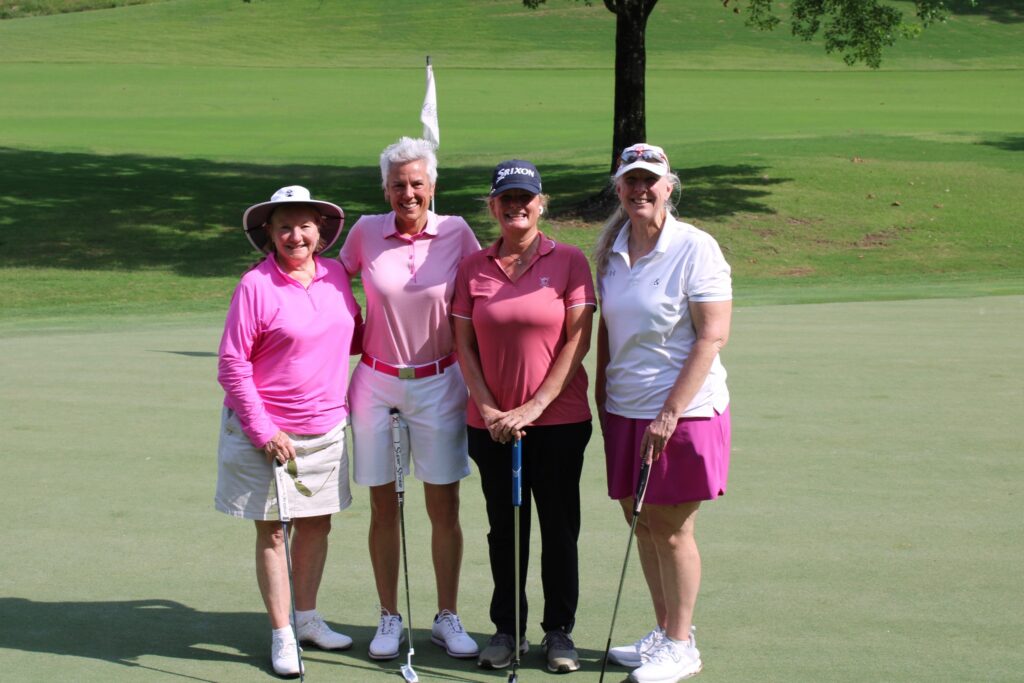
That opportunity continues with one of its longest-standing traditions. On May 18, the Drive-Out Breast Cancer Golf Tournament returns to Old Overton Club, marking nearly three decades since Sokol and O’Neal first launched the event.
What began as a single-day fundraiser has grown into a cornerstone of the organization’s efforts, bringing together teams from across the state for a day of play with a purpose. Proceeds from the tournament continue to fund critical research across Alabama—supporting the same kind of early-stage discoveries that have helped shape progress over the past 30 years.
For Sokol, the tournament is more than an event. It’s a reminder of where it all began—and how far it’s come. “It started as just an idea,” he says. “Now it’s something people show up for year after year because they know it matters.”
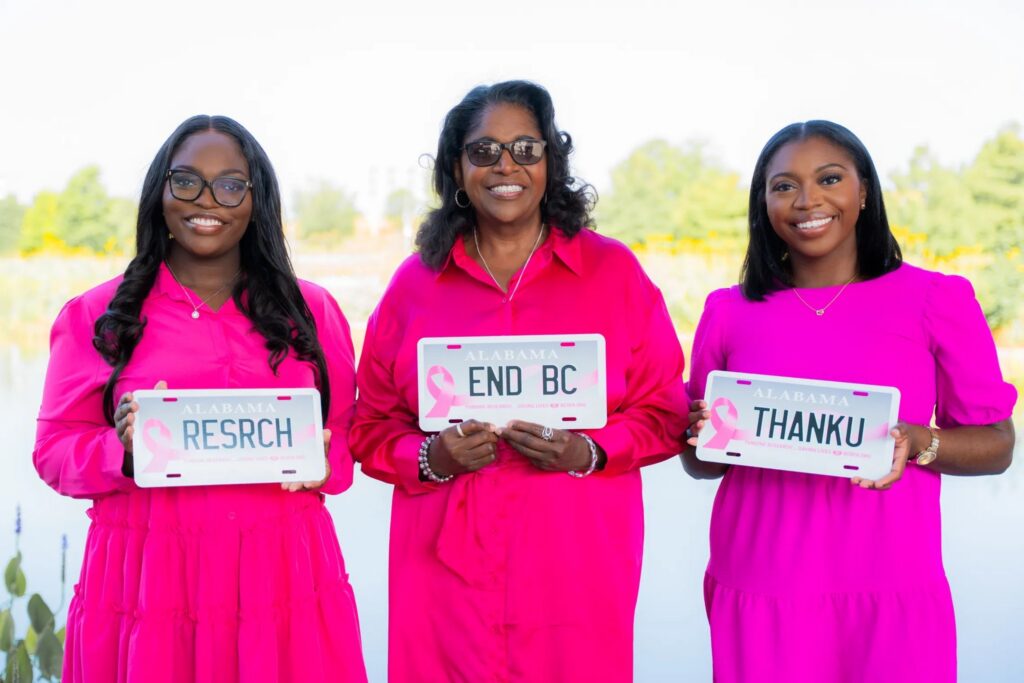
Support also shows up in everyday ways across the state. The Breast Cancer Research specialty tag—now seen on more than 15,000 vehicles—has become one of BCRFA’s most visible and consistent sources of funding. Each tag directly contributes to research, generating more than half a million dollars annually to support scientists and institutions working toward better treatments and, ultimately, a cure.
“I see those tags everywhere,” Sokol says. “And every one of them represents someone choosing to be part of this.”
Three decades after it began, the momentum behind BCRFA still comes from the same place. Whether through a tournament, a donation or a simple decision at the DMV, progress is built by people who choose to be part of it.
Courtesy of SoulGrown Alabama