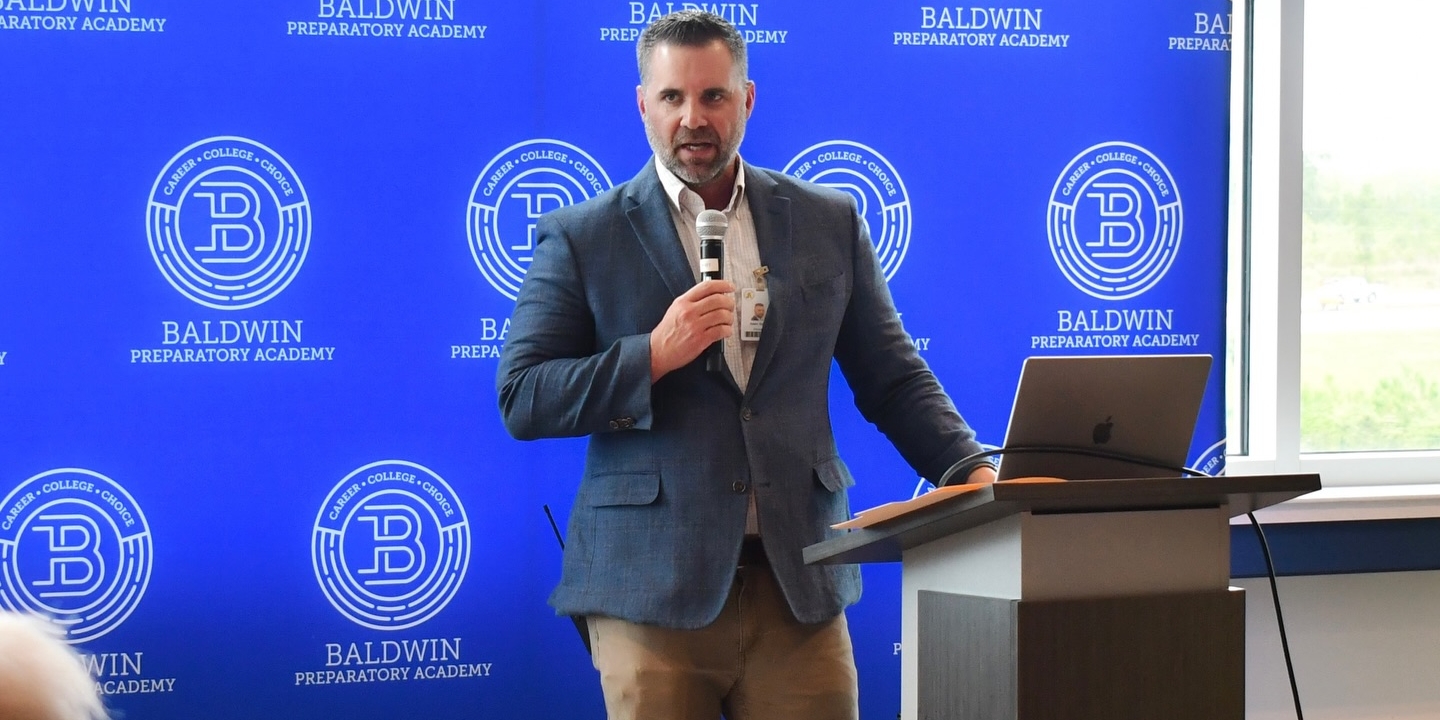
I began my career in education, spending years working with students in the classroom and later serving in school leadership roles. After moving into career and technical education administration, I made the decision to step away from education and spend time in private industry. I wanted to better understand the other side of workforce development; the side our students eventually enter.
For two years, I served as both a Safety Manager and Human Resources Manager, where I experienced firsthand the challenges employers face in recruiting, training, and retaining a skilled workforce. That experience reinforced something I already believed: workforce development doesn’t begin when someone applies for a job. It begins years earlier in our schools.
That’s why the investments Alabama has made in career and technical education are so important. Across our state, legislators, educators, industry leaders, and community partners have embraced a shared understanding that preparing students for success requires more than simply teaching academic standards. It requires helping students see the connection between what they learn in school and the opportunities available to them after graduation.
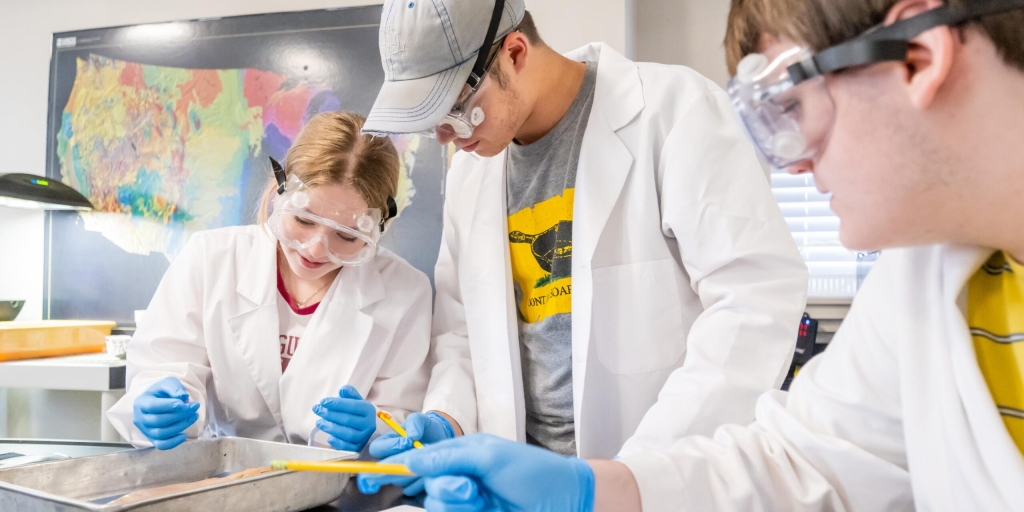
Schools like Baldwin Preparatory Academy were built around that idea. Students have the opportunity to explore career pathways, gain hands-on experience, earn industry-recognized credentials, and understand how their education connects to the real world. Just as importantly, these programs are developed alongside industry partners to reflect the needs of the businesses and employers driving Alabama’s economy.
That collaboration is what makes career and technical education so effective. Business leaders aren’t simply supporting these programs from the sidelines; they are helping shape them. Industry partners provide valuable insight into workforce needs, emerging technologies, and the skills students will need to be successful in the years ahead. They offer internships, work-based learning experiences, mentorship, and exposure to careers many students may never have considered otherwise.
As industries evolve, these partnerships help ensure our classrooms and labs evolve alongside them. Students benefit from learning in environments that reflect today’s workforce, not yesterdays. They also gain something equally important: a clearer understanding of why their education matters.
A student interested in aviation can see how math and physics apply to aircraft systems. A future healthcare professional can connect science coursework to patient care. A student pursuing construction learns not only technical skills, but also teamwork, communication, and problem-solving. Students begin to understand that what they are learning today has a direct connection to what they hope to do tomorrow.
When students can connect classroom lessons to real opportunities, engagement increases, and they begin to see a clearer path toward their future. The question shifts from “Why do I need to know this?” to “How can I use this?”
These opportunities don’t happen by accident. They are the result of intentional investments made by people across Alabama who believe in preparing students for success. The Alabama State Department of Education has engaged groups to come together and better our state’s education options. Legislators have supported career and technical education initiatives, school systems have embraced innovative approaches to workforce preparation, educators have worked tirelessly to create engaging learning environments, and business leaders have invested their time, expertise, and resources to help prepare the next generation.
The result is a stronger pipeline of talent for employers and more opportunities for students. Whether students enter the workforce immediately, pursue technical training, attend a community college, or continue to a four-year university, they benefit from having a clearer vision for what comes next, and the skills needed to pursue it.
Having worked in both education and industry, I believe one of the most encouraging developments in Alabama today is the growing partnership between those two worlds. For too long, workforce development and education were often treated as separate conversations. Today, they are increasingly working toward the same goal: creating opportunities for students, strengthening our workforce, and ensuring Alabama remains competitive for years to come.
When educators and employers work together, students gain relevant experiences, businesses help develop the workforce they need, and communities are better positioned for future growth. That’s a return on investment that benefits all of Alabama.
Adam Sealy is the Principal of Baldwin Preparatory Academy. He has spent his career in education, including time as a classroom teacher and school leader, and previously worked in private industry as a Safety Manager and Human Resources Manager.