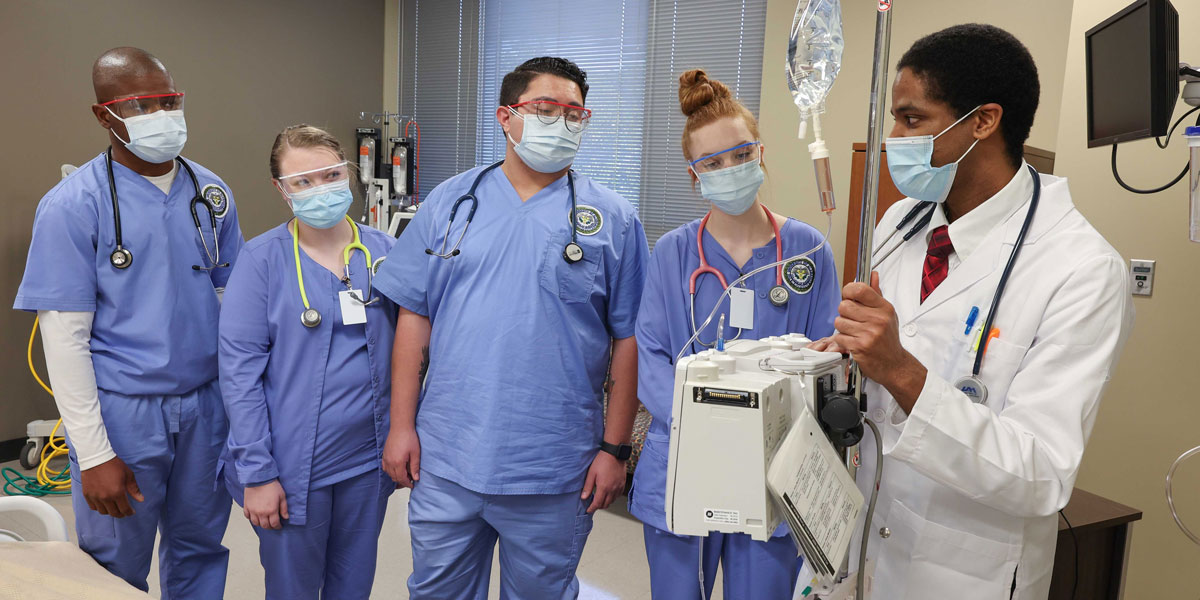
As Alabama faces a growing shortage of nurses, the University of Alabama System is expanding nursing programs to prepare more healthcare professionals for the workforce.
According to the Alabama Department of Workforce, registered nurses topped all occupations for online job advertisements in June, with nearly 10,000 postings statewide. Overall, Alabama employers posted more than 124,000 job openings during the month, while there were just 0.51 job candidates available for every opening, illustrating how difficult it has become for employers to fill positions.
The demand is especially acute in healthcare.
The University of Alabama System says Alabama is projected to face a shortage of 14,000 nurses by next year. According to the Alabama Board of Nursing, approximately 39,000 nurses plan to retire by 2027, creating an urgent need to prepare the next generation of healthcare professionals.
The challenge extends beyond universities. The Alabama Hospital Association says workforce shortages remain one of hospitals’ top concerns and have become one of the organization’s highest priorities as healthcare providers work to recruit and retain qualified employees.
Against that backdrop, the University of Alabama System is making significant investments across its three campuses to increase the number of nurses entering Alabama’s workforce.
The University of Alabama at Birmingham continues to produce more nurses than any other university in the state.
The UAB School of Nursing enrolls more than 3,000 nursing and pre-nursing students each year and graduates more than 1,000 nurses annually, with most remaining in Alabama after earning their degrees. Since 2016, more than one in four nursing graduates in Alabama have come from UAB.
The university recently launched a year-round Bachelor of Science in Nursing program designed to shorten the time it takes students to enter the workforce. The program welcomed its first class of 72 students this summer.
The expansion comes as the Alabama Hospital Association reports hospitals statewide continue to experience an approximately 20% nursing vacancy rate.
UAB has also increased financial support for future nurses, completing a scholarship campaign that created 80 scholarships valued at more than $3.7 million. The university continues to leverage its longstanding partnership with the UAB Health System to provide students with extensive clinical training opportunities.
The University of Alabama is undertaking what officials describe as one of the largest nursing education investments in the school’s history.
The expansion plan calls for doubling enrollment in the Capstone College of Nursing and increasing annual graduates to more than 550 through its on-campus programs. By 2030, total enrollment is expected to reach 3,436 students, positioning UA among the nation’s largest nursing programs.
To accommodate that growth, UA plans to hire additional faculty, expand simulation and clinical training facilities, increase clinical partnerships across Alabama and significantly enlarge its nursing facilities through renovations and new construction.
The university is also working to reduce financial barriers for students. A $1.5 million gift from the Bedford Falls Foundation-Donor Advised Fund will provide approximately 60 scholarships each year for in-state nursing students.
The University of Alabama in Huntsville is strengthening the connection between classroom instruction and hands-on clinical experience.
Beginning this fall, UAH will launch a redesigned four-semester Bachelor of Science in Nursing curriculum that integrates academic instruction with real-world clinical experience while continuing to offer its accelerated three-semester BSN program for students who already hold bachelor’s degrees.
The university is also expanding hands-on learning through its Neighborhood Nursing initiative, launched in 2025. The program brings preventive care, health screenings and education to rural North Alabama communities while allowing nursing students to gain supervised clinical experience. During its first months, the initiative served more than 500 residents across five communities and continues expanding into additional counties.
Each university is taking a different approach, but all are working toward the same goal: preparing more nurses to serve Alabama communities.
The latest workforce data suggests demand for registered nurses will remain strong for the foreseeable future, making efforts to educate and retain more nurses increasingly important to the state’s healthcare system.
As hospitals compete to fill thousands of nursing positions and experienced nurses near retirement, Alabama’s colleges are expanding the pipeline of future nurses to help meet one of Alabama’s most pressing workforce needs.
Sherri Blevins is a staff writer for Yellowhammer News. You may contact her at [email protected].