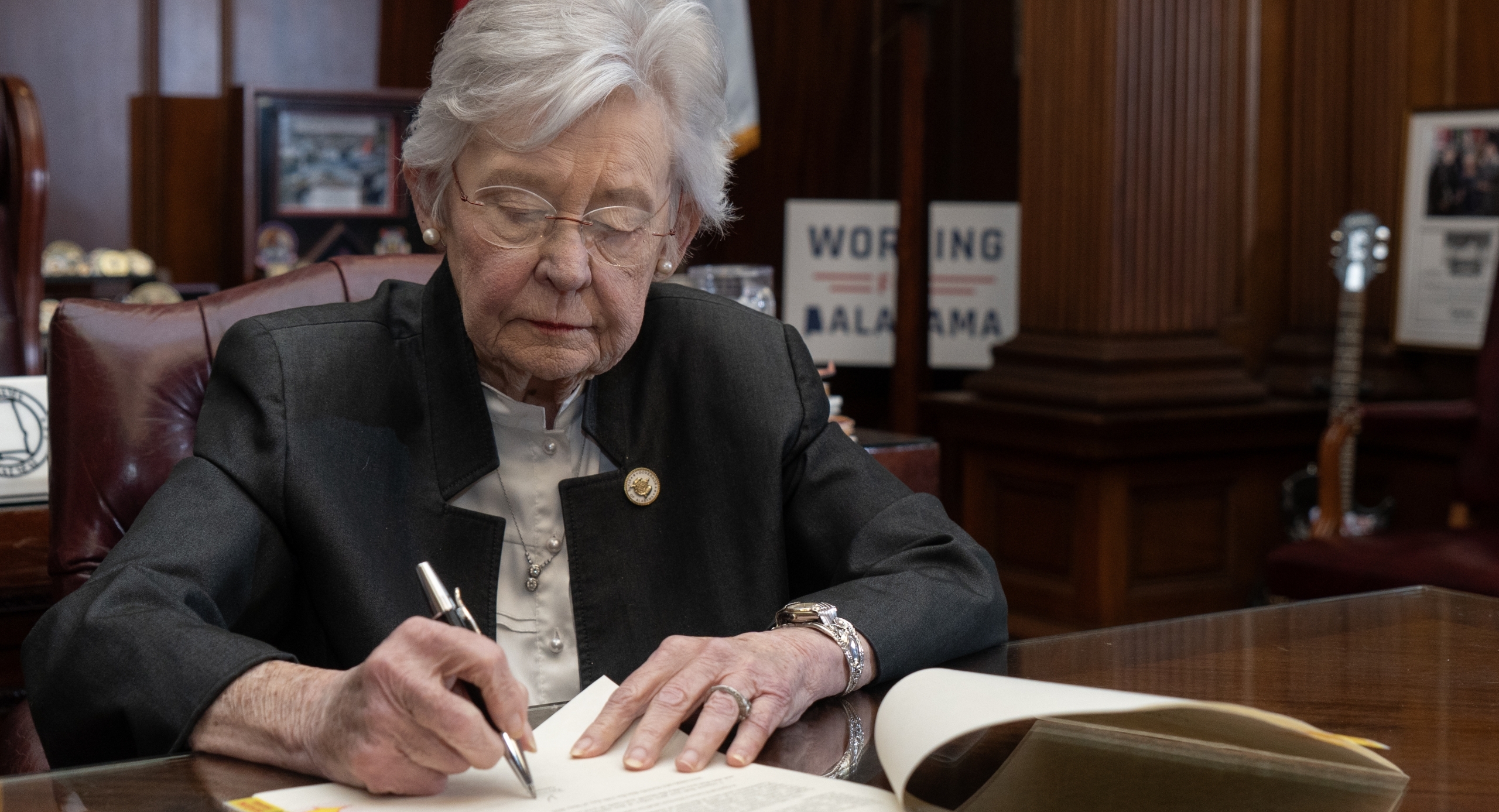
Gov. Kay Ivey on Wednesday signed Executive Order No. 745 creating the Governor’s Commission on Screen-Based Instruction, the latest step in her administration’s effort to study the use, risks, and benefits of screen-based instruction in Alabama’s K-12 classrooms and develop evidence-based recommendations for its use.
The commission’s findings could help shape legislation addressing screen-based instruction during the 2027 legislative session.
The executive order builds on two education measures championed by Ivey over the past two years. In 2025, she signed the FOCUS Act, prohibiting student cell phone use in classrooms and requiring local school boards to adopt internet safety policies.
Earlier this year, she signed the Healthy Early Development and Screen Time Act, making Alabama the first state to limit classroom screen exposure for kindergarten students and children in licensed childcare facilities.
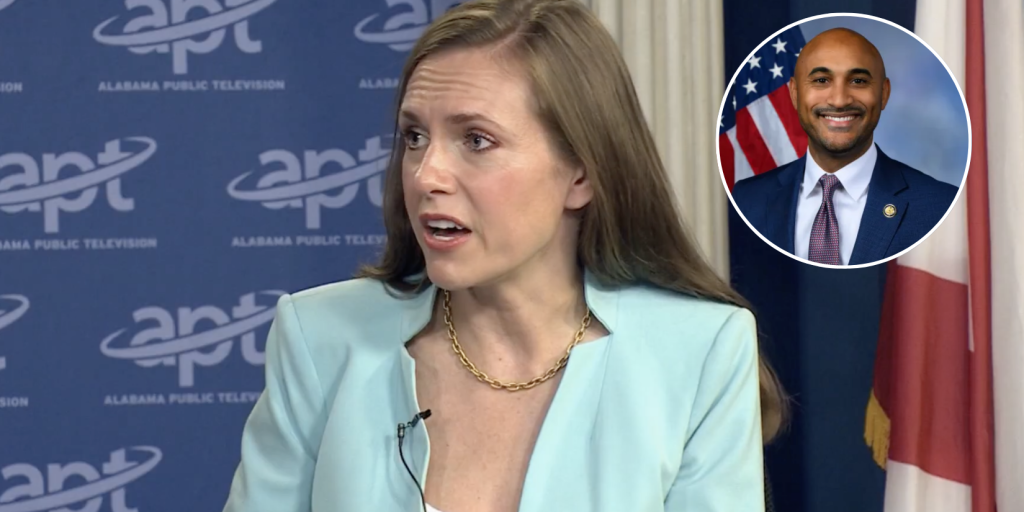
State Rep. Jeana Ross (R-Guntersville), who sponsored the legislation that became the Healthy Early Development and Screen Time Act, will chair the new commission. Before joining the Legislature, Ross served as secretary of the Alabama Department of Early Childhood Education. Earlier this year, she sponsored the legislation after citing research linking excessive screen exposure among young children to developmental concerns.
“Responsible use of classroom screen time is a top priority of my Administration, and while we are already making a difference by passing two signature laws to address it, we can still do more,” Ivey said. “Children’s overexposure to screens is a barrier to classroom learning and the acquisition of critical emotional and social skills. We must continue exploring the proper role of screen time in classrooms of all ages.”
Ivey said the commission represents the next phase of the state’s effort to evaluate screen use in education.
“During the 2025 Legislative Session, I championed the FOCUS Act prohibiting the distracting presence of student cell phones in classrooms. Almost immediately, teachers, parents and even some children praised the new law which enabled students to focus on their classwork and reengage in classroom discussions with their peers,” Ivey said.
“And, during the 2026 Legislative Session, I was proud to sign the Healthy Early Development and Screen Time Act into law, making Alabama the first state in the Union to pass a law limiting the amount of time that our youngest learners are exposed to screens in classrooms and childcare facilities. Traditional classroom teaching methods emphasizing human interaction must remain the core of a child’s learning experience. We must therefore build on our progress by exploring how K-12 classrooms can also benefit from adjusting screen access so that it enhances and does not detract from learning. The creation of this Commission sets that process in motion.”
In addition to Ross, Ivey appointed the following members to serve on the commission until it submits its final report to the governor, Legislature and State Board of Education by Dec. 1:
- Sen. Linda Coleman-Madison (D-Birmingham), Alabama Senate
- Dr. Eric Mackey, state superintendent of education
- Stephanie Pettis, elementary school teacher, Mobile County
- Laren Hammonds, middle school teacher, Tuscaloosa
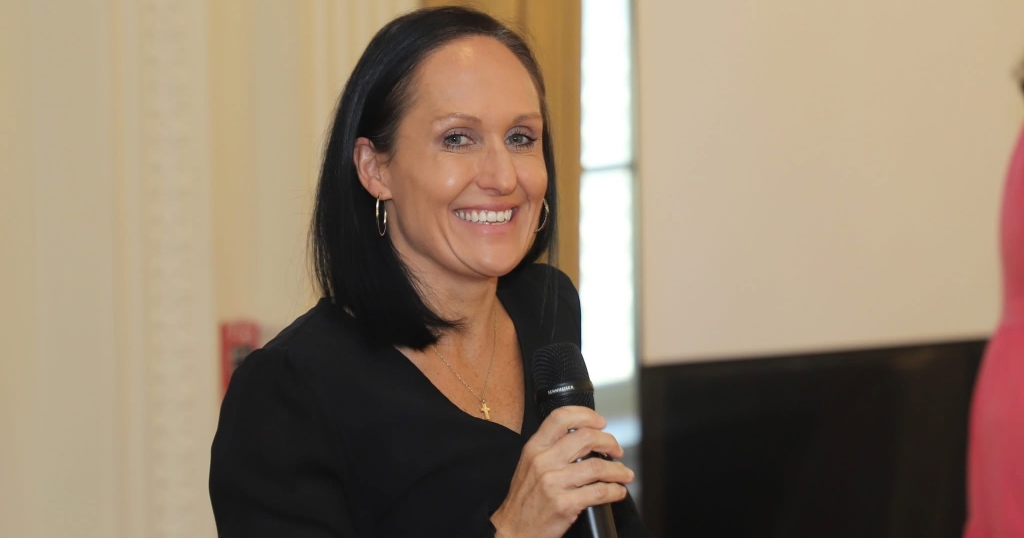
- Kelli Fischer, principal, Opelika High School
- Brandy White, superintendent, Houston County Schools
- Misty Wilson, adolescent literacy specialist, Alabama State Department of Education
- Dr. Frankie Mathis, assistant superintendent, Saraland City Schools
- Dr. Nashedra Barry, child psychologist, Children’s of Alabama
- Brooke Gillis, parent representative
- Chris Jenks, technology director, Tuscaloosa City Schools
- Dr. Cailin Kerch, clinical associate professor of early childhood education, curriculum and instruction, University of Alabama
- Amanda Salazar, workforce representative, Manufacture Alabama
According to the executive order, the commission will submit its findings to the governor, the Alabama Legislature and the State Board of Education by Dec. 1. Those recommendations are intended to inform legislation addressing screen-based instruction that could be considered during the 2027 legislative session.
Sherri Blevins is a staff writer for Yellowhammer News. You may contact her at [email protected].