Seven Alabama community colleges are the first to receive new high-speed fiber connections as part of a statewide initiative aimed at improving internet reliability, expanding access to digital resources and strengthening connections between the colleges and the communities they serve.
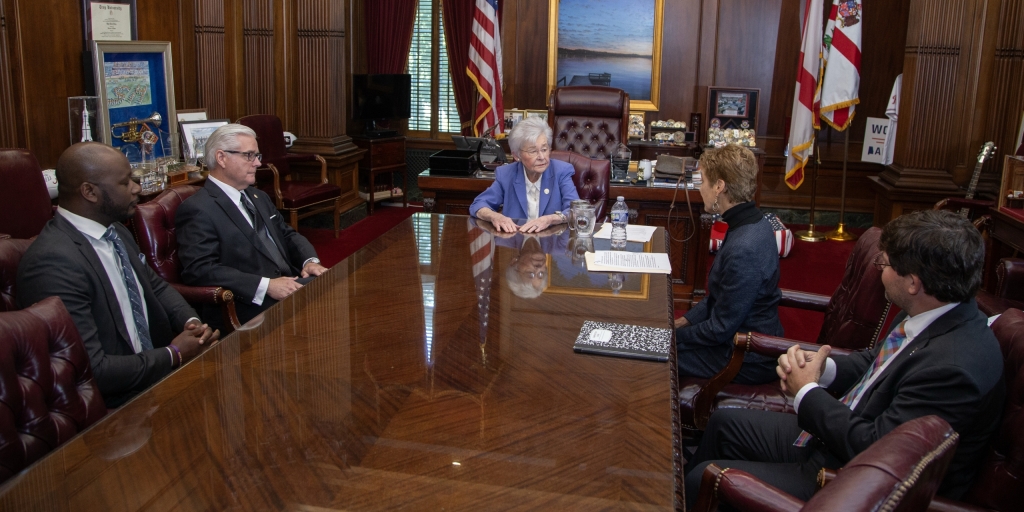
The Alabama Community College System and Alabama Fiber Network announced the first phase of the project Wednesday during the ACCS Board of Trustees meeting in Montgomery, with plans to connect all 24 of the state’s community and technical colleges by the end of 2027.
Gadsden State, Lurleen B. Wallace, Northwest-Shoals, Shelton State, Snead State, Southern Union and Wallace Community College Selma are the first seven colleges connected through the initiative.
The colleges will also serve as “anchor institutions” in the broader Alabama Fiber Network, positioning campuses as connection points in a statewide effort to expand access to high-speed broadband.
“With a combined footprint that spans all 67 counties, Alabama’s community colleges are perfectly positioned to serve as anchor institutions, critical hubs that can help extend broadband access,” ACCS said in a video presentation during the meeting.
The system said the improved connections will strengthen teaching and learning, college operations and access to digital resources. The benefits could also extend beyond campus, helping rural students access courses and learning tools while supporting telehealth, businesses, agriculture, public safety and economic development.
Alabama Fiber Network CEO Terry Metze said the effort has been made possible through cooperation among state officials, electric cooperatives, ACCS and other partners.
“Alabama got it right,” Metze said.
He added that the partnership has accomplished something he has not seen during four decades of working in the industry.
“We have done almost the impossible,” Metze said.
Alabama Fiber Network has built a middle-mile fiber backbone that reaches all 67 counties, providing infrastructure that can be used to expand high-speed connectivity across the state.
Metze said connecting Alabama’s community colleges to that infrastructure will become increasingly important as technology changes the skills employers need.
“A community college system like the one that we’ll have here in Alabama that is connected the way it is now will provide for the jobs and the security and the expectation of business development in every area, from Mobile through the Black Belt, all the way to Huntsville in Alabama,” he said.
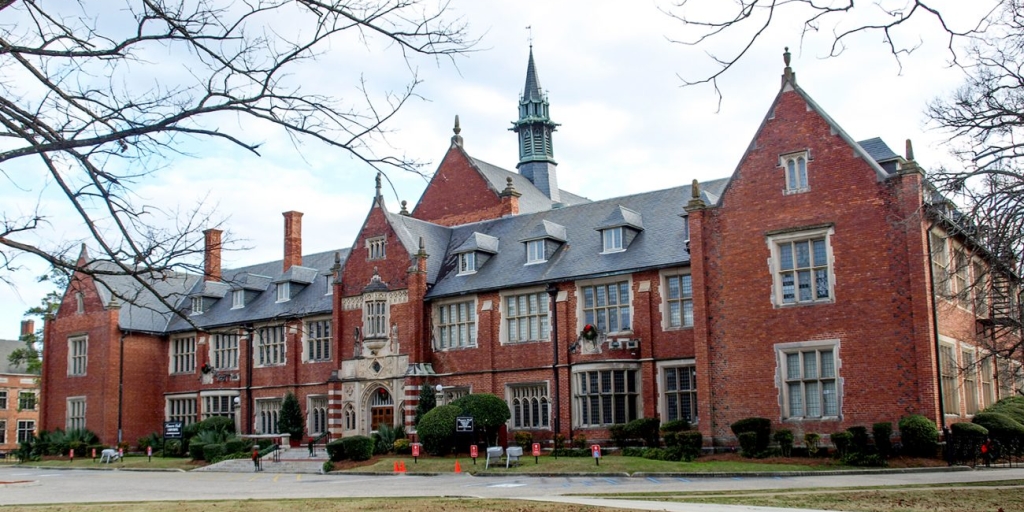
For Snead State Community College, one of the first seven colleges, the benefits are already being seen.
Snead State President Joe Whitmore related that the transition to Alabama Fiber Network has improved the college’s connectivity, reliability and performance while reducing costs.
“Not only are we gaining the connectivity at 10 times the speed that we had previously, but we’re able to do so at a much lower cost,” Whitmore explained.
The additional capacity is becoming increasingly important as colleges rely on cloud applications, cybersecurity tools, remote instruction, high-performance computing and data-intensive workforce programs.
Whitmore said the connection is also important for dual enrollment and distance learning in areas where broadband service can still be limited.
“I tell people all the time that community is actually our middle name,” Whitmore stated. “And it helps us to be an anchor in our region so that we can help with further community adoption.”
A student-athlete offered a more personal example of what reliable internet can mean on a college campus.
He recalled waiting until late in the evening to take an online test due at midnight, only to watch the connection buffer as he attempted to submit an answer.
“You’re just praying that the internet works,” he said.
He said the added fiber connection gives him greater confidence that the work he is completing will be submitted on time. He also pointed to the demands on campus internet when 40-plus people living in a residence hall are connected and relying on the same service.
Sen. Donnie Chesteen (R-Geneva) compared the importance of broadband today to the role rural electric cooperatives played in bringing electricity to communities generations ago.
He also tied the investment to Alabama’s workforce needs, pointing to Eli Lilly’s planned Huntsville operation as an example. Chesteen said he recently heard a company representative discuss the number of electricians that will be needed for the facility.
“Who’s going to provide those? Right here,” Chesteen said of the community college system.
As Alabama continues attracting new and expanding industries, Chesteen said the state’s community colleges will be central to preparing the workers those companies need.
Speaking of the Alabama Community Colleges he said, “You’re going to be the ones that drive the workforce in this state to keep Alabama moving on the path we’re moving on.”
The seven initial colleges are the first step in the ACCS rollout, with fiber connections expected at all 24 Alabama community and technical colleges by the end of 2027.
Sherri Blevins is a staff writer for Yellowhammer News. You may contact her at [email protected].