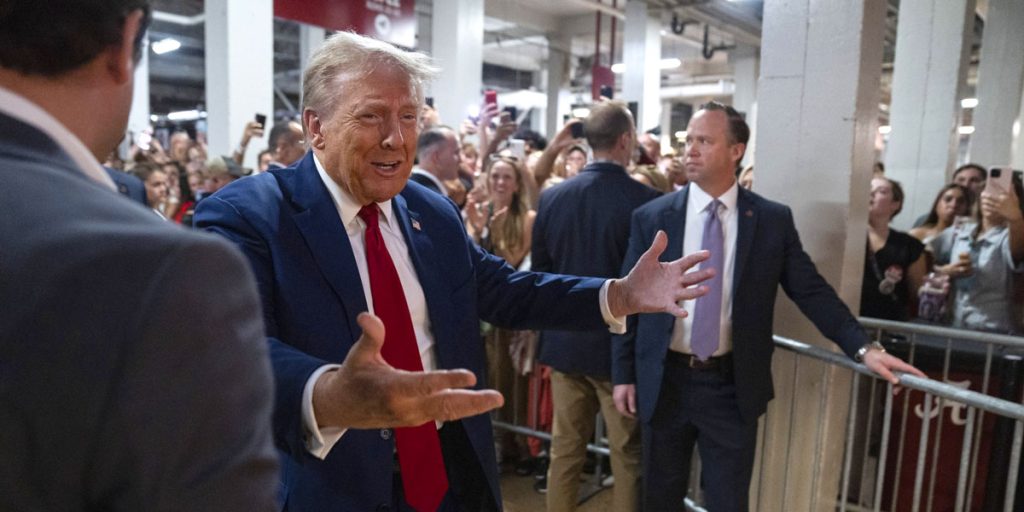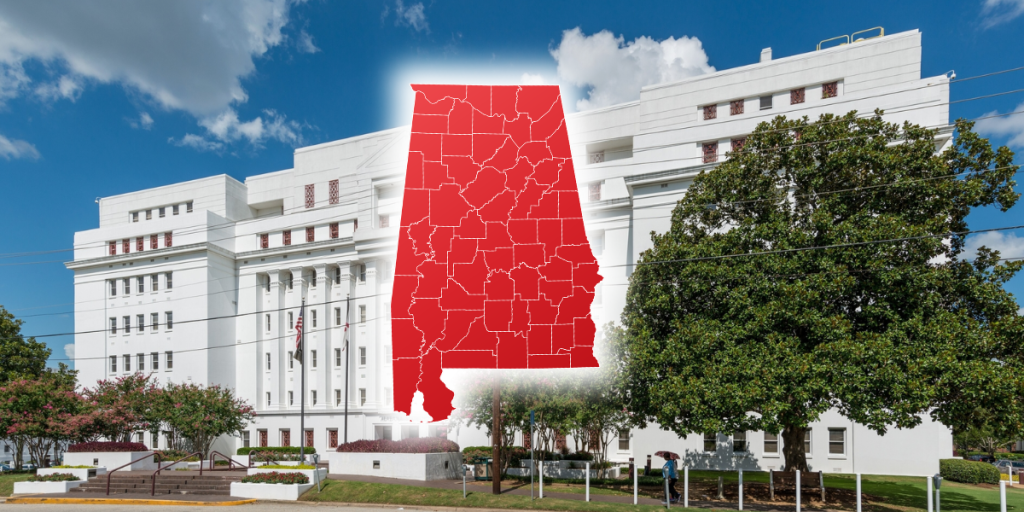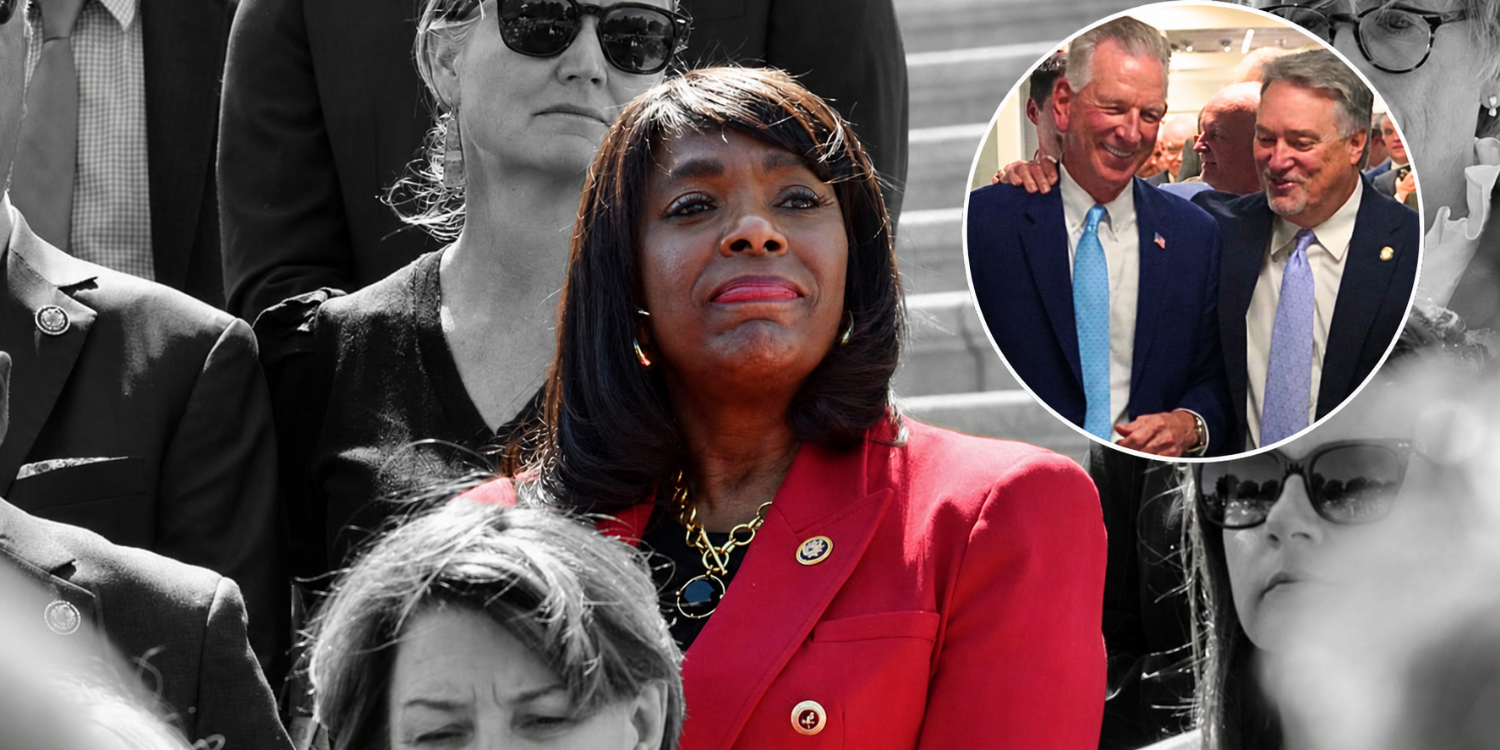
Alabama House Speaker Nathaniel Ledbetter (R-Rainsville) is hoping that Republicans will soon be able to completely take over the state’s congressional delegation.
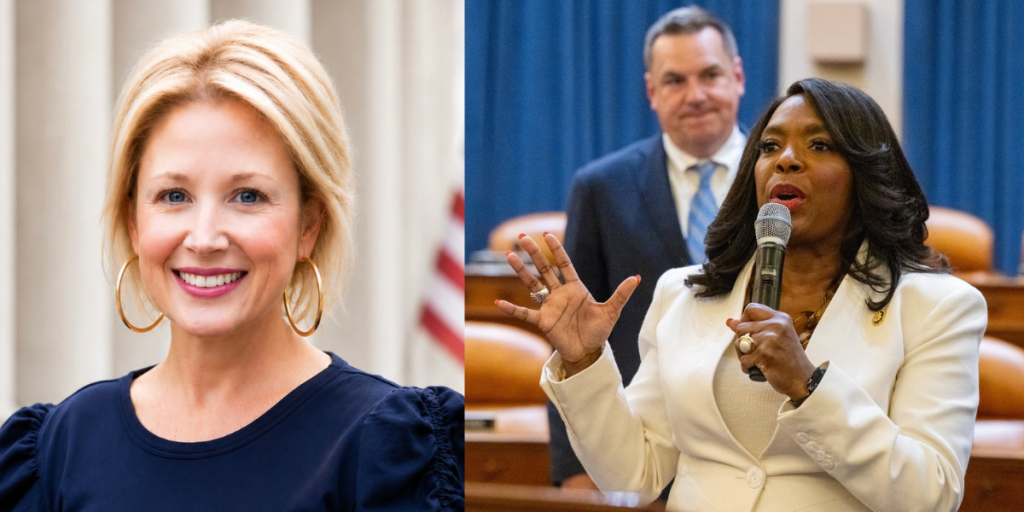
On Monday, Ledbetter said Democrat Rep. Terri Sewell’s (D-Birmingham) congressional district becomes competitive for Republicans if the U.S. Supreme Court lifts the injunction on Alabama’s 2023 congressional map – which will be the proving ground for a 7-0, full-GOP-sweep, gameplan to the test.
Lawmakers in Montgomery began working today on how to move forward with redistricting in the state.
The 7th Congressional District, held by Sewell since 2010, is the only black majority congressional district in Alabama.
While Sewell protested efforts at the Alabama State House today to redraw the state’s congressional map, she has openly cheered on Democrat gerrymandering to wipe Republicans off the map entirely in blue states.
“I’d take 52 seats from California, I sure would, and 17 seats from Illinois,” Sewell recently told reporters. “We’re going to play their game, and we’re going to beat them at it,” she said.
Time will tell if Sewell is right, Ledbetter told Alabama’s capitol press corps when lawmakers got to work this week.
“I believe that district was a 50-50 split then, and that’s been a few years ago. The population has declined in that congressional district,” Ledbetter said. “So, yeah, I think with the right candidate and the funding, it’s certainly possible.”
The Speaker said he predicts under lawmakers’ plan, Alabama’s safest, most blue district will become a “purple district.”
“I think so,” he said. “Yeah, that’s a good way to describe it.”
When asked if he believes such a move would “disenfranchise” black voters, Ledbetter flipped the racial gerrymander charge back on the federal courts.
“I don’t see it that way. I don’t know that all Democrats are Black voters,” he argued. “Certainly the way that the courts set it up — it was not supposed to be racially gerrymandered. Well, it was. They compacted all the African Americans in those districts.”
“And not only that, it’s supposed to be a community’s likeness,” he added. “It was not. I think the people voted to have the supermajority is where it is today, and so this is the voice of the people. We had three judges determine how 5 million people were supposed to vote, and I don’t think that’s the way. That’s why there’s three branches of government.”
The May 19 primary will proceed as scheduled. If the Supreme Court grants Attorney General Steve Marshall’s emergency motion and lifts the injunction, Alabama reverts to the 2023 map for the general election and no fresh judicial review required.
“Any other plan that you drew would have to go through the process all over,” Ledbetter said, “which means it could be anywhere from 12 to 23 months [before] we ever got to the resolve on that.”
Yaffee is a contributing writer to Yellowhammer News and hosts “The Yaffee Program” weekdays 9-11 a.m. on WVNN. You can follow him on X @Yaffee