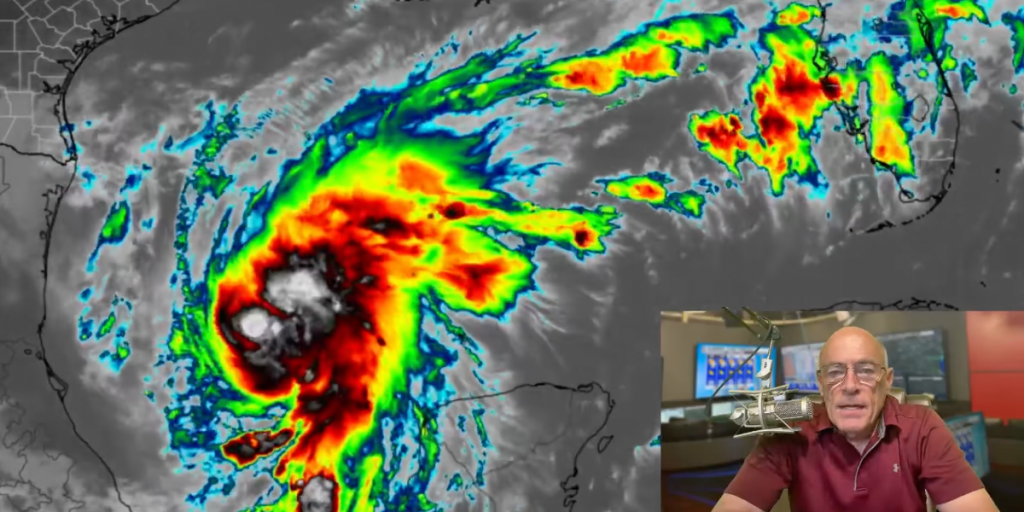
A frightening hurricane map can travel around social media in minutes. Alabama meteorologist James Spann says knowing who is behind it — and when to ignore it — matters.
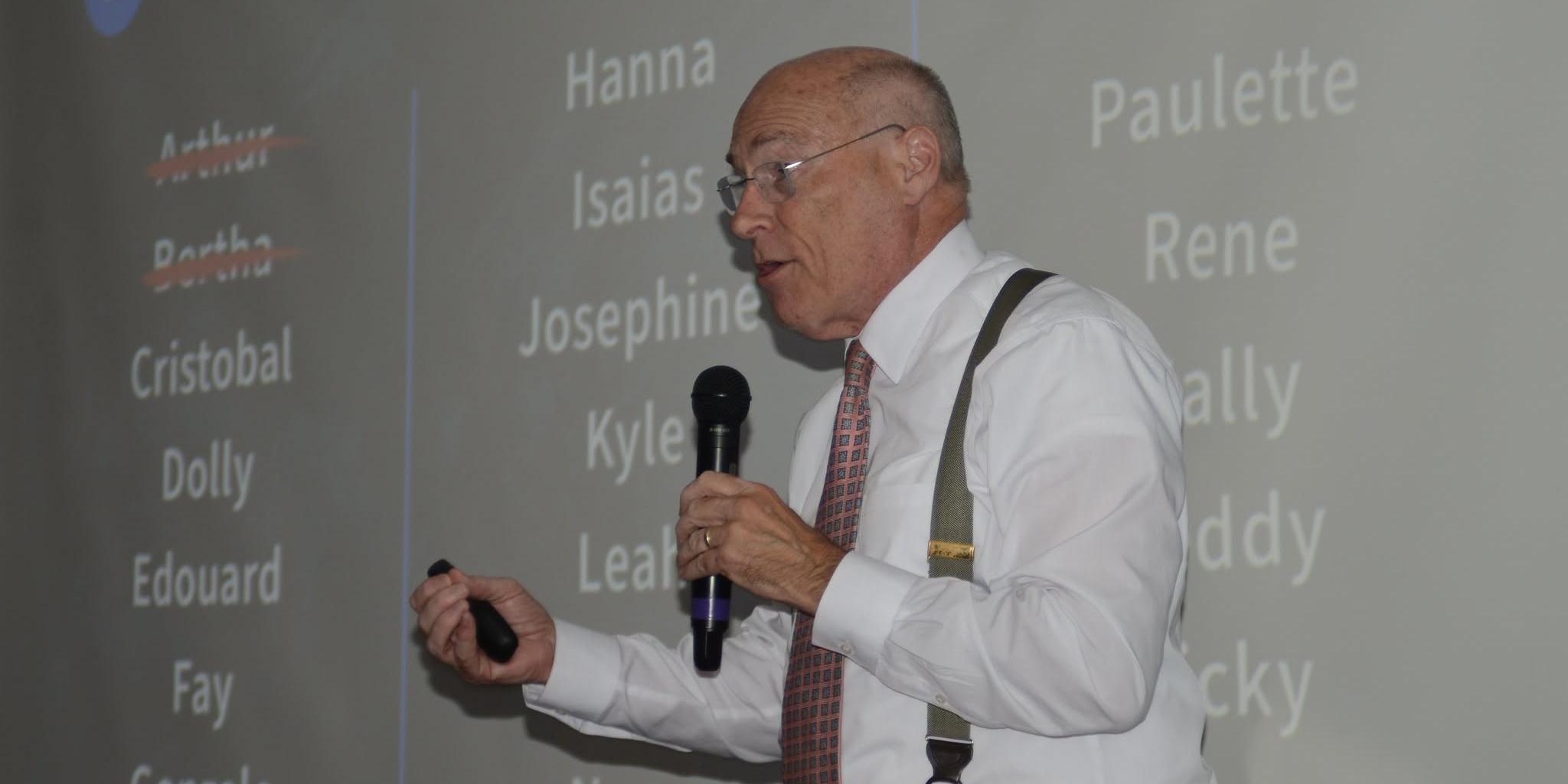
Speaking Saturday at the United Way & Verizon Disaster Resilience Forum at the National Maritime Museum of the Gulf in Mobile, Spann warned Alabamians about sensational weather posts that can spread rapidly online, sometimes with real-world consequences.
According to Lagniappe Mobile, Spann pointed to a social media post in May warning of a “killer hurricane” headed toward Florida. The post was false but was shared millions of times.
“We had people that cancelled beach vacations. We had people that cancelled elective surgery because some nitwit put this on Facebook and there is absolutely no truth to this, none whatsoever,” Spann said.
He told the audience there can also be a financial incentive behind some of the attention-grabbing posts.
“They put this stuff out there to gain money from the creator content fund and we now live in a cesspool of disinformation,” Spann said.
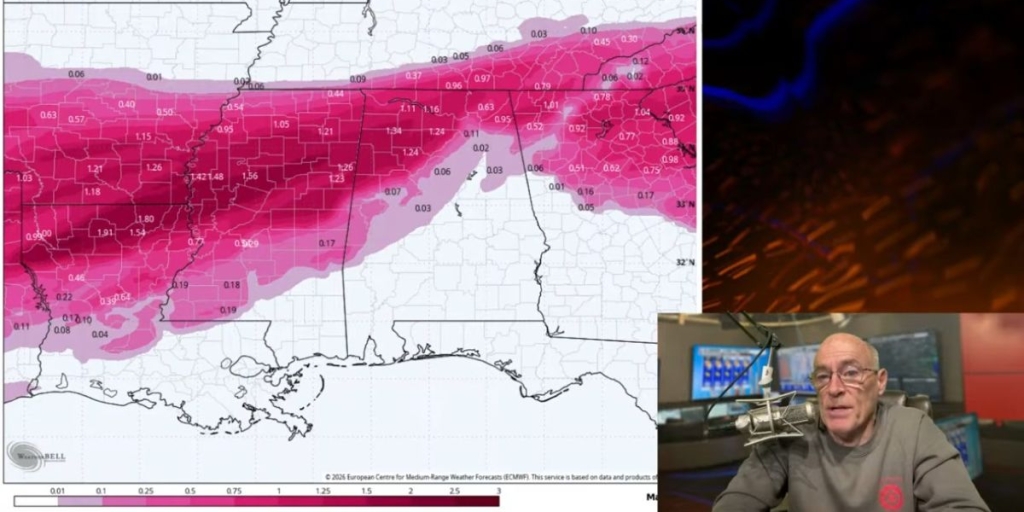
For Spann, one of the warning signs pointing to disinformation is a post claiming to know where a hurricane will be well into the future.
He told the Mobile audience there is “no skill” in making hurricane forecasts 10 days in advance and cautioned that while weather models can provide useful guidance, they aren’t crystal balls.
Instead, Spann urged people to turn first to credible sources, including the National Hurricane Center, Mobile County Emergency Management Agency and his own Alabama Weather Network. He also recommended listening to certified meteorologists, acknowledging they will not always get every forecast right but saying they are more trustworthy than many weather accounts on TikTok, Instagram, X and Facebook.
It is a message that fits with a project Spann launched just last year.
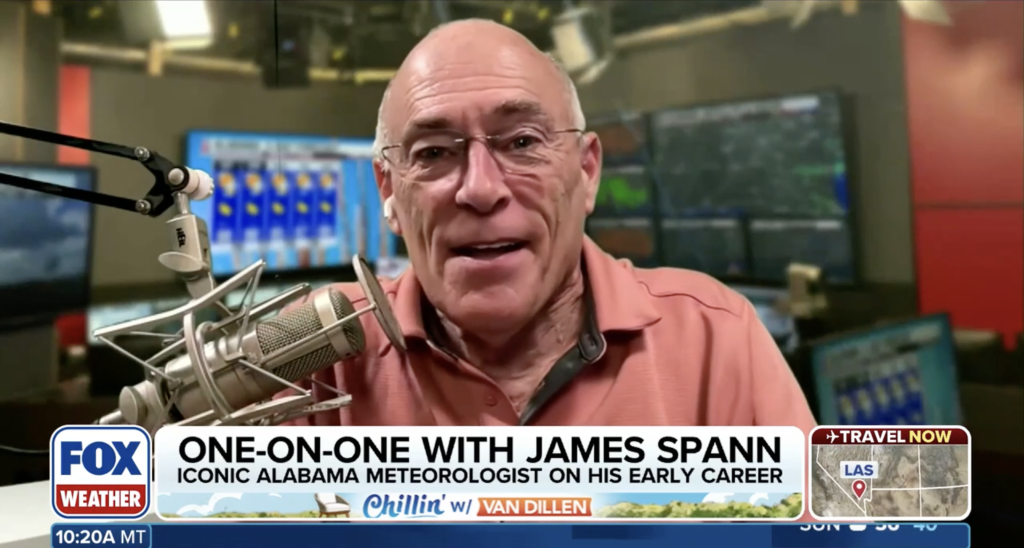
Spann, who has worked as a professional broadcast meteorologist since 1978, announced the Alabama Weather Network in July 2025, fulfilling what he called a longtime dream of providing weather coverage for the entire state.
RELATED: James Spann unveils new 24/7 digital weather channel covering all of Alabama
The 24/7 digital weather network was created to provide weather coverage for all 67 Alabama counties.
His experience with Alabama weather stretches back decades — including one storm that remains etched in the history of the Gulf Coast.
Spann told the Mobile audience that Hurricane Frederic, which struck the Alabama coast in September 1979, was the first hurricane he covered during his career. Lagniappe reported that Spann recalled covering the storm from Azalea Middle School, now Denton Magnet School of Technology, where he had access to a working telephone.
Nearly five decades later, the technology used to track and communicate hurricane threats has changed dramatically. So has the speed at which bad information can spread.
Spann also addressed the current hurricane season, telling the audience the Gulf had been fortunate so far and expressing confidence that what remains of the season could be “relatively quiet.”
He also pushed back on sensational predictions surrounding El Niño, telling the audience the online “hype is off the charts.”
But a quieter season is no reason to stop paying attention.
Spann’s advice was to identify a credible source before a storm threatens and resist relying on questionable hurricane pages that appear on social media.
Even in a year that may ultimately prove relatively quiet, Spann offered a reminder familiar to anyone who has lived through hurricane season on the Gulf Coast:
“All it takes is one.”
Sherri Blevins is a staff writer for Yellowhammer News. You may contact her at [email protected].