A few cool fall mornings are usually enough to get Alabama gardeners thinking about their tomatoes, the flowers still blooming, and the potted plants on the porch. How much longer can they stay outside?
Across Alabama, the answer can vary by several weeks. Some north Alabama communities typically see their first freeze in October, while central Alabama usually has until November and the Gulf Coast enjoys a little more growing time.
Knowing those dates can help with the fall chores, from gathering the last vegetables to putting away garden hoses. They are historical averages, though, rather than a prediction of when freezing weather will arrive this year.
The weather service averages come from local station records covering different periods, so they offer a general planning guide rather than an exact comparison between communities.
According to the National Weather Service in Huntsville, Valley Head typically sees its first freeze Oct. 21, followed by Cullman’s Abbey station on Oct. 25 and Scottsboro on Oct. 28. Huntsville and Muscle Shoals both have an average first-freeze date of Nov. 2.
Even a short drive can make a difference. Guntersville’s average first freeze is Nov. 11, nearly two weeks after Scottsboro’s.
Farther south, the weather service’s Birmingham office lists average first-freeze dates of Nov. 4 in Anniston, Nov. 8 in Tuscaloosa, Nov. 9 in Birmingham and Nov. 11 in Montgomery.
The Farmers’ Almanac places Mobile’s average first frost around Nov. 28. Its hard-freeze guide lists late November to early December as a typical window for Alabama’s main population centers, with earlier freezes in the Tennessee Valley and later ones along the Gulf.
There is also a difference between waking up to frost on the grass and having a hard freeze.
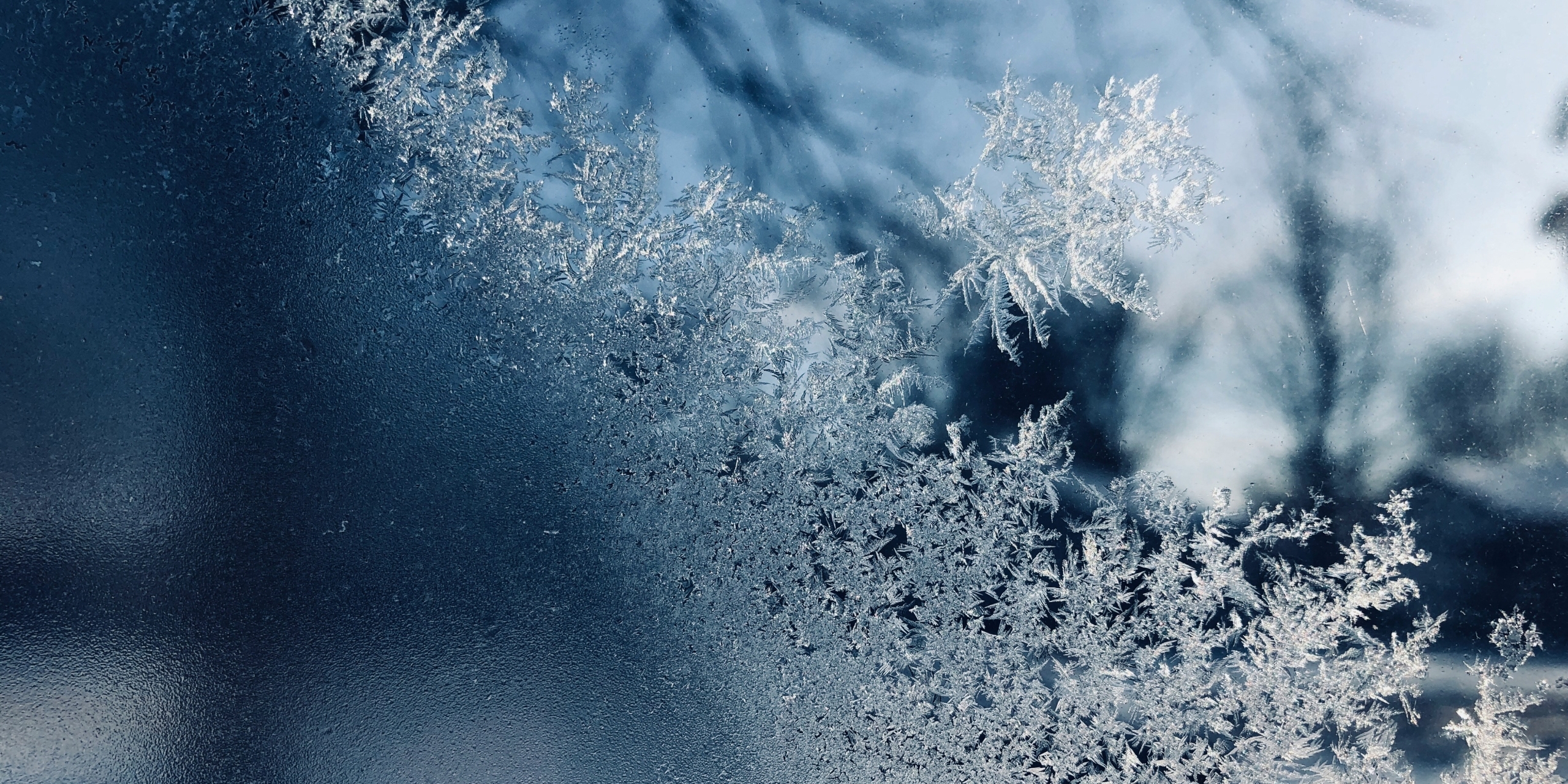
Frost forms when ice crystals develop on grass, leaves and other surfaces. On clear, calm nights, it can happen even when the official air temperature is still in the mid-30s.
A freeze occurs when the air temperature falls to 32 degrees or lower. The Huntsville weather service defines a hard freeze as temperatures at or below 28 degrees.
Those colder nights typically come a little later. Huntsville and Muscle Shoals have average first-hard-freeze dates of Nov. 12, while Scottsboro’s is Nov. 7 and Valley Head’s is Nov. 1.
For tender plants, however, even the first frost can cause damage. If you still have tomatoes, peppers, basil, cucumbers or summer squash growing, plan to harvest or protect them before the cold arrives.
Bring potted plants indoors when practical. The Alabama Cooperative Extension System recommends lightweight fabric coverings, such as sheets, to help protect plants by trapping warmth from the ground.
For plants that stay outside, put the coverings in place before sunset and secure the edges near the ground.
There may still be plenty of life left in the fall garden. Kale, spinach, carrots, cabbage and broccoli can tolerate light frost, and some crops may taste sweeter after a little cold weather.
Around the house, take time to disconnect and drain garden hoses and winterize irrigation systems before a hard freeze. It is also a good time to turn on the heat and make sure everything works before you need it.
You may already know which part of your yard gets cold first. Low spots can collect cold air, while plants near buildings and pavement may benefit from the heat those surfaces hold.
The calendar can help you get ready, but the local forecast will tell you when to act. Once overnight temperatures start dipping into the 30s, keep the plant covers handy and make a little room inside for anything you want to save.
Sherri Blevins is a staff writer for Yellowhammer News. You may contact her at [email protected].