Energy technologies should be made and deployed in Alabama. That includes solar panels.
Solar energy is often in the political crosshairs.
Solar power plants across the country have generated national news, and here in Alabama, there have even been legislative efforts to effectively ban expansion of the energy source.
Fortunately, push back, all the way up to Alabama Lieutenant Governor Will Ainsworth, stalled these efforts — a sign that facts still matter in energy policy debates.
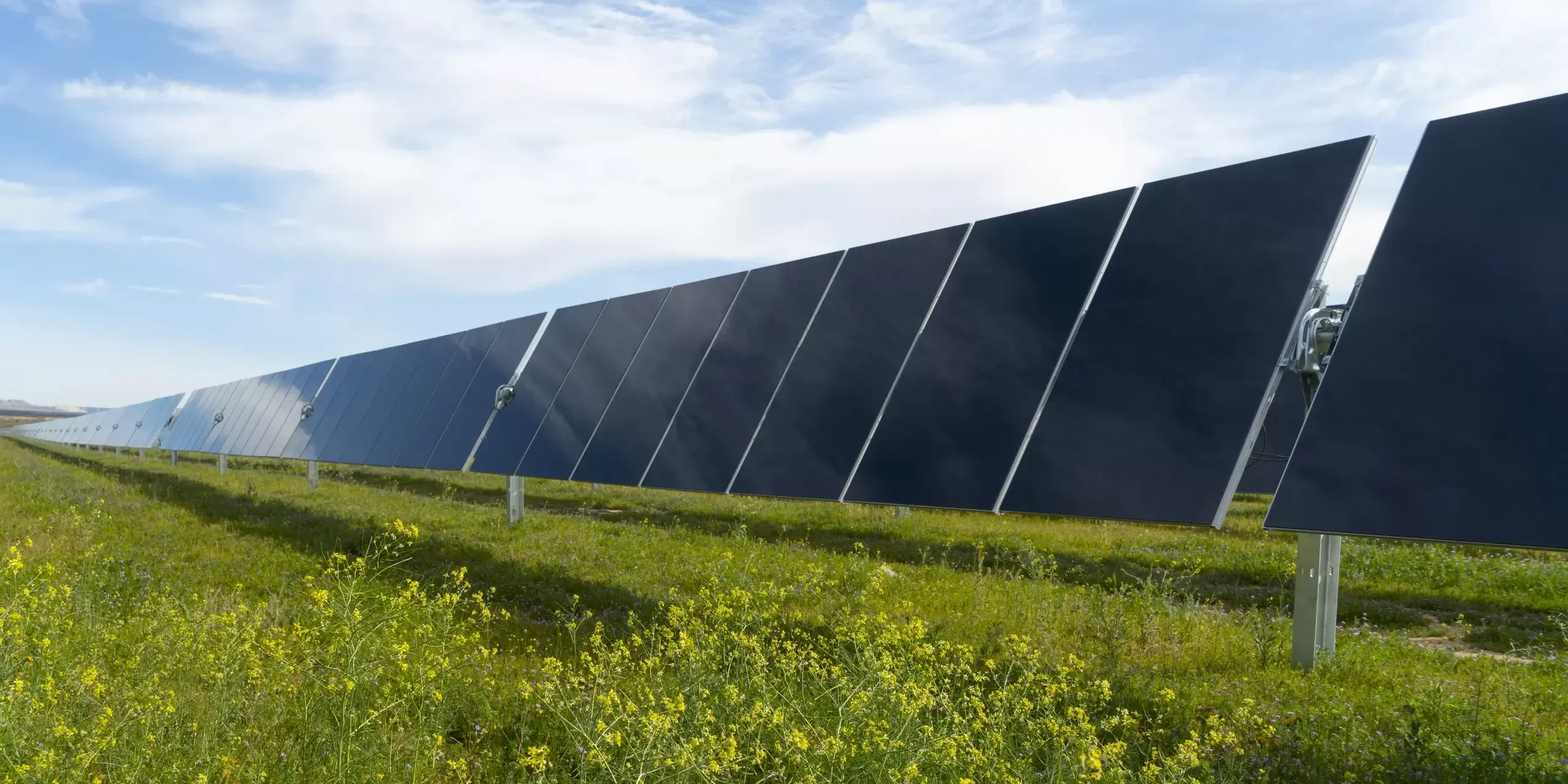
As one of the cheapest and most deployable resources, there is a clear place for solar in our energy mix, even more so when we take what’s called a regenerative energy approach that delivers the power generation capacity our country needs while prioritizing the stewardship of land, soil, and ecosystems.
By pairing solar generation with working agriculture, this approach promotes the power of American energy while honoring crucial agricultural land.
For example, the Stockton Solar Project in Baldwin County combines energy production with wetland conservation and agriculture. In fact, the 2,500 acres of wetlands surrounding the panels will be actively conserved. Additionally, even the 2,000 acres of solar panels yield good agricultural outcomes, such as providing areas for rotational sheep grazing.
Unlike many other forms of development, solar allows land to stay permeable, biologically active, and in agricultural production. That distinction matters when the next buyer for rural acreage might not be a solar developer.
This approach has already been deployed across the country, such as at installations like the Mockingbird Solar Center in Texas, where efforts to support biodiversity and native pollinators coexist with energy generation. At a former World War II ammunition plant in Chattanooga, topsoil is being rebuilt under solar arrays. In rural Georgia, family farmers have quadrupled their sheep flocks by accessing solar land they couldn’t otherwise afford to lease.
As conservatives, we must recognize that this project is a private investment with co-benefits. This is not an example of top-down mandates, but of property rights and smart capital deployment. Localized energy development directly benefits the surrounding community through the creation of jobs and regional investment, and those benefits are amplified across the state when the power plant uses Alabama-made technology, as Stockton does.
We should view solar energy as a prime opportunity for Alabama to maintain our status as a manufacturing hub.
Already, more than 800 workers at First Solar’s facility in Lawrence County are producing 17,000 American solar panels a day, relying on steel that’s produced within a 25-mile radius of its plant. We’ve already established our prowess in auto manufacturing, and now, we have an opportunity to make our mark in energy. This level of economic development and job creation should be celebrated, not shunned. Furthermore, those panels should generate energy right here in Alabama.
Our country should be in the middle of an energy addition, with demand and prices skyrocketing across the board. Rather than resisting this trend and rejecting all new power plants on principle, we should be at the forefront with innovative developments like Stockton.
This doesn’t mean every solar power plant is the right fit for our state, but we must evaluate projects for their merits individually. Every energy project—regardless of the source—should have to earn its welcome in our communities.
By demanding that projects adhere to high standards of stewardship and responsible development, we are perpetuating President Theodore Roosevelt’s conservation spirit while rising to the challenge of modern times.
After all, there’s nothing more conservative than conservation and leaving our communities more prosperous than when we found them.
Ellen Connell is a student at Auburn University, where she studies law and justice, as well as political science. Formerly an intern for U.S. Senator Katie Britt, she will join the American Conservation Coalition (ACC) as full-time staff in May.