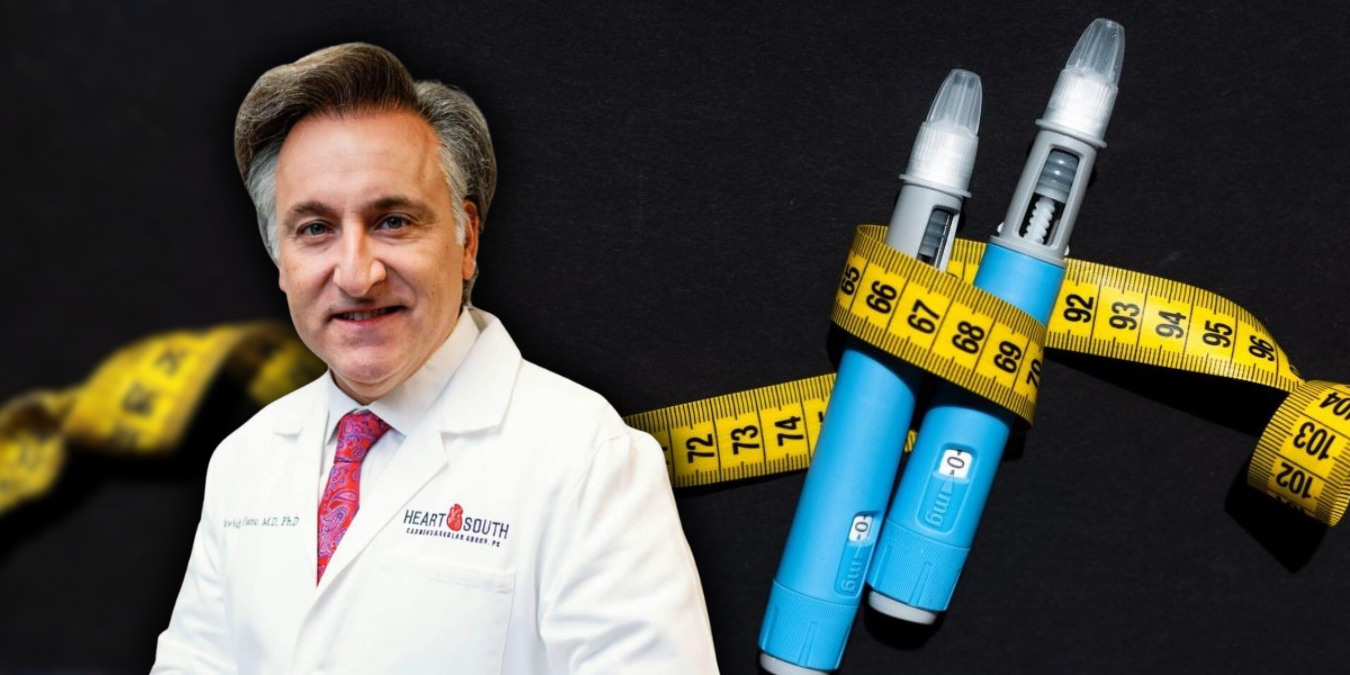
As a cardiologist for more than two decades, I’m an advocate for heart health. My patients’ and that of my larger community.
Sometimes, that means telling my patients about changes and better choices they must make to improve and extend their lives. It means informing them about the medications available to them, including in recent years the suite of GLP-1 weight-loss medications.
By now, we probably all know someone who has changed their life for the better by losing a significant amount of weight on a GLP-1.
We’ve consistently seen people lose 15% or more of their body weight on these medications. And while the physical changes are impressive and important, the critical changes are the long-term health benefits, including lowered risk of heart disease and type 2 diabetes. And that is why I’m now advocating for wider access to the medications in Alabama.
Alabama’s adult obesity rate hovers around 39%. It has for years, despite the earnest efforts to make the state healthier. To truly make changes, we need to recalibrate how we think about weight. Not as a personal choice or failing, but a chronic medical condition that leads to a list of potential diseases and negative outcomes that also includes stroke, joint and mobility issues and even some types of cancers.
And we need to make treatment available to many, not a select few.
The Alabama Legislature this year took a significant step in the right direction by passing House Joint Resolution 162, tasking the Alabama Medicaid Agency to explore the actual savings that might exist in all facets of the program by covering GLP-1 medications within Medicaid’s patient population.
According to the resolution, about 110,000 adults and children on Medicaid could qualify for weight-loss medications based on current FDA labeling. That would be 110,000 lives made healthier, free from the limitations of that excess weight or the chronic health conditions associated with it.
Based on my practice, I personally believe coverage of obesity treatments will show what many in the medical field already know: the benefits, results and long-term savings of these medications far outweigh the initial costs.
If we could add years and more quality to the lives of our friends, loved ones and neighbors, why wouldn’t we?
David S. Fieno, M.D., Ph.D, is a board-certified internist specializing in surgical cardiology. Since 2010, he’s been an attending cardiologist at Heart South Cardiovascular, located in Alabaster, Alabama.