Building Alabama is a weekly column by Yellowhammer News on the projects, industries and investments shaping Alabama’s economy.
The Alabama Development Fund is a bet on an overlooked reality in modern economic development: speed now wins projects.
On June 1, the fund goes live. It is expected to generate about $28.5 million a year, a modest figure in state budget terms, but one that could have an outsized effect on how Alabama competes for jobs.
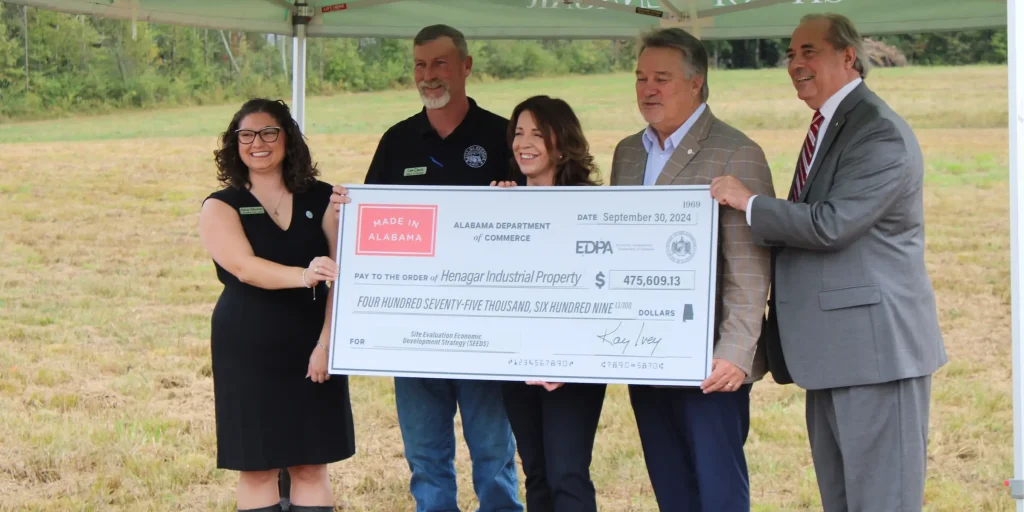
Practically, the fund gives the state a recurring pool of money to help stimulate economic growth in a variety of ways across the state. One of the Alabama Development Fund objectives is to help communities prepare the kind of industrial sites companies increasingly expect to see before they make a final decision.
“Alabama has seen record economic investments – from advanced manufacturing to pharmaceutical production – in recent years because of the work state leaders have put into making us stand out against our peers who are trying to attract the same jobs,” Alabama Secretary of Commerce Ellen McNair said.
“The Alabama Development Fund ensures we remain competitive by creating a dedicated, sustainable funding source we can invest in rural assistance programs, expanding our international footprint and helping local communities attract quality jobs for their citizens.”
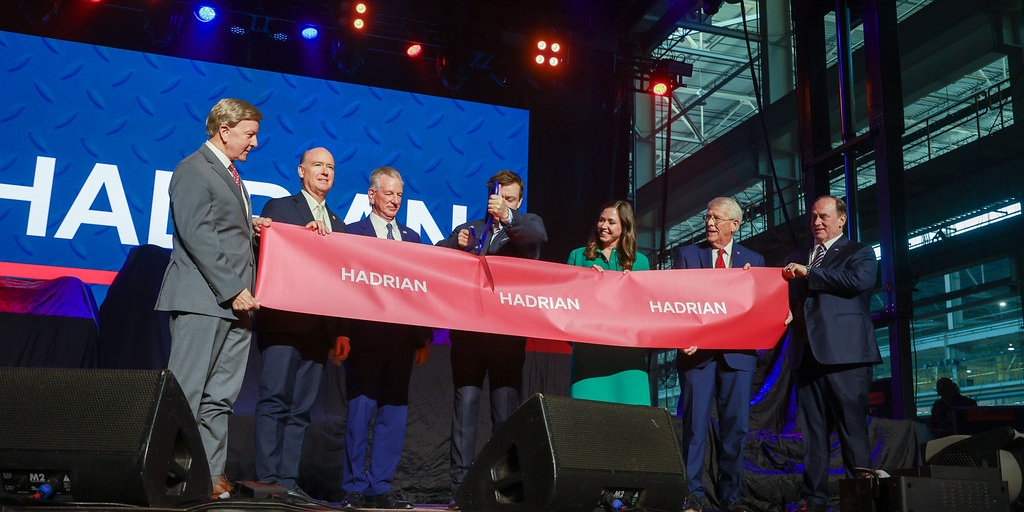
Governor Kay Ivey signed the fund into law last spring as HB243, sponsored by State Rep. Andy Whitt (R-Harvest) and State Sen. April Weaver (R-Brierfield).
RELATED: Governor Ivey signs Alabama Development Fund legislation to power economic growth
Beginning with abatements granted on or after June 1, Alabama will retain a small slice of the sales and property taxes it otherwise would waive on qualifying projects and route that money into the fund.
On those projects, the state will hold back 0.75% of state sales taxes and one mill of property taxes that otherwise would have been abated. The company still receives a substantial incentive. Alabama keeps a portion of the value to help prepare for the next recruitment fight.
Alabama has already proven it can land major industrial anchors. Last year, the state announced a record $14.6 billion in new capital investment across 234 projects. Those wins matter. The next challenge is making sure those anchors produce deeper industrial ecosystems around them.
A major industrial project rarely stands alone. Auto plants, aerospace facilities, defense manufacturers, shipbuilders, and logistics hubs all depend on suppliers, contractors, skilled workers, utility infrastructure, and nearby production capacity. The more of that ecosystem Alabama captures, the more value the state gets from each major win.
RELATED: Jimmy Black: Alabama Development Fund is a game-changer for rural economic growth
That is where prepared sites become more than a real estate issue. A ready site near a major employer can help Alabama attract the smaller and midsize companies that make a regional cluster stronger. These projects build something more durable than headlines.
For rural counties, that could be the difference between watching economic development happen somewhere else and entering the competition themselves.
Many communities lose before the official search begins because they lack the prepared sites or infrastructure needed to make a serious pitch. A recurring site-readiness fund gives more places on the map a chance to compete.
The fund will still need discipline. A permanent funding stream does not automatically create good strategy. Commerce will have to focus on sites with real industrial logic, real infrastructure potential, and real connection to Alabama’s existing strengths. A prepared site that never fills is just expensive dirt.
So the scoreboard should be practical: whether Alabama produces more genuinely competitive sites, brings more rural communities into serious project conversations, and deepens supplier networks around existing anchors.
Strip away the small dollar figure and the Alabama Development Fund is a long bet that preparation beats price. It may prove to be one of Alabama’s most important economic development moves in years because it changes what the state can do before the headline arrives.
The best incentive Alabama can offer a company, it turns out, may be a site where it can start building tomorrow.
Sawyer Knowles is a state and political reporter for Yellowhammer News. You may contact him at [email protected].