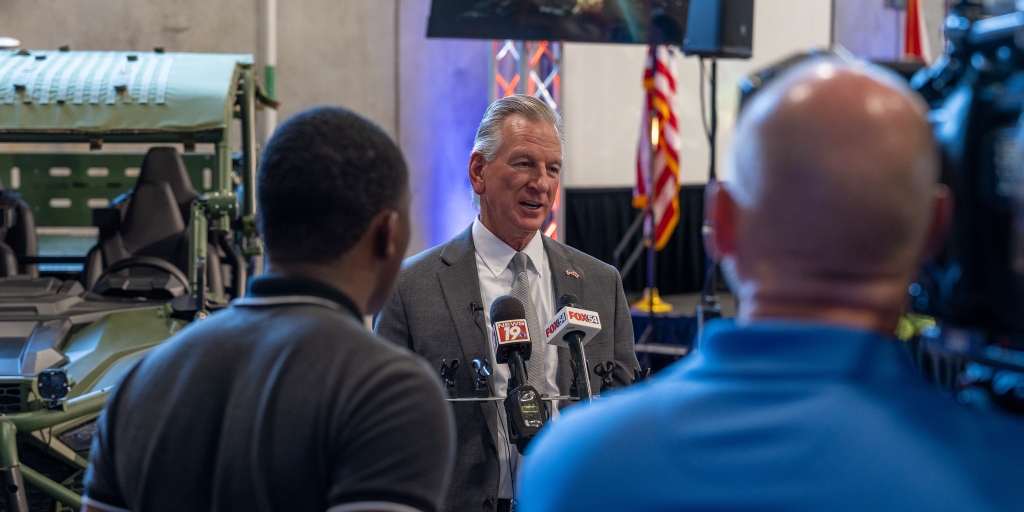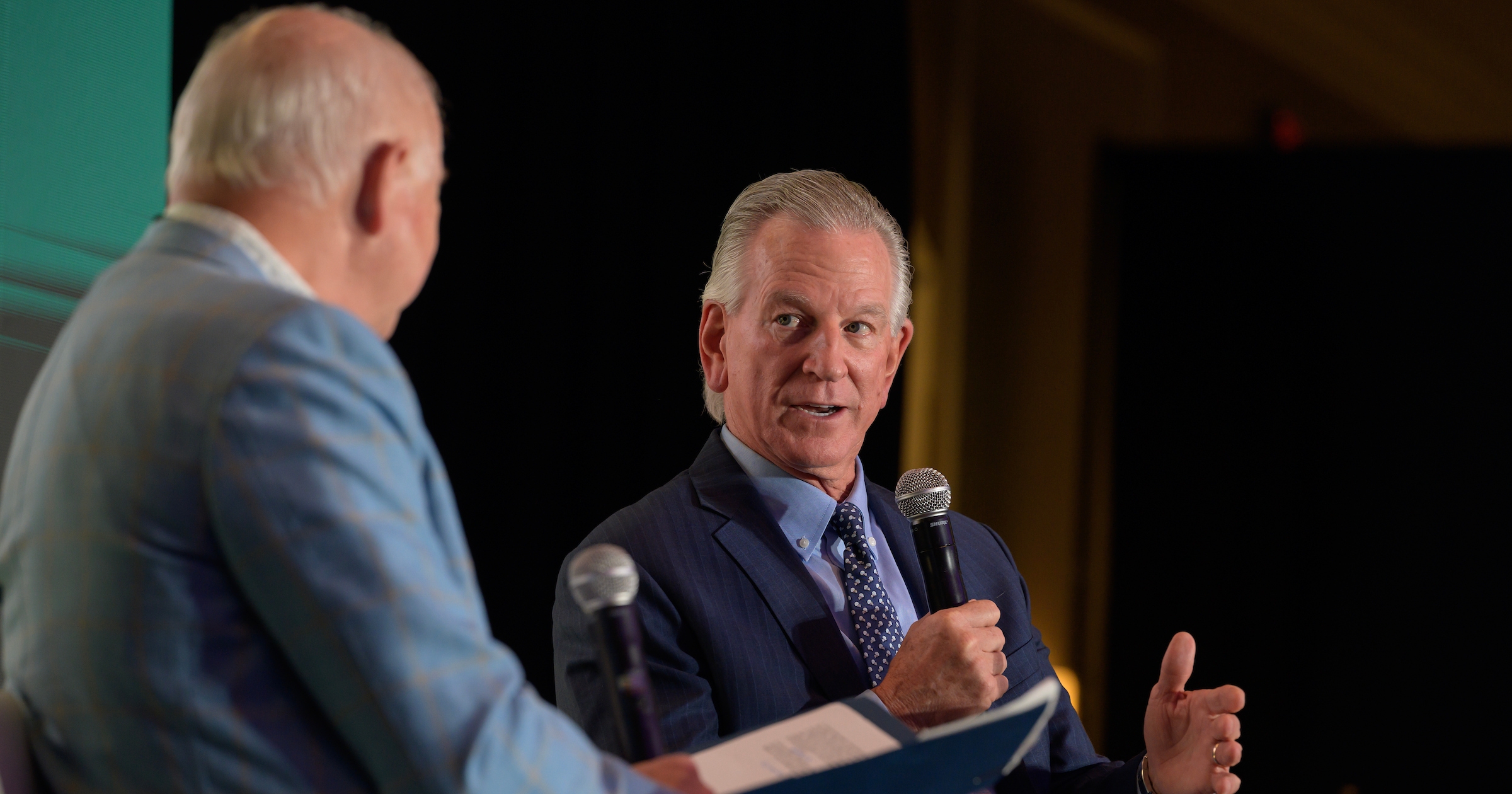
Hours after the U.S. Senate gaveled out at 4:30 a.m. Saturday morning, U.S. Senator Tommy Tuberville (R-Auburn) stepped off a red-eye and onto the stage at the Grand Hotel, where the Business Council of Alabama’s annual Governmental Affairs Conference had once again gathered the state’s top public and private sector leaders under one roof.
Interviewed on stage by former U.S. Rep. Jo Bonner, the Republican nominee for governor aimed his sharpest message not at Washington but at the handful of Alabama city halls getting cold feet about the data center boom.
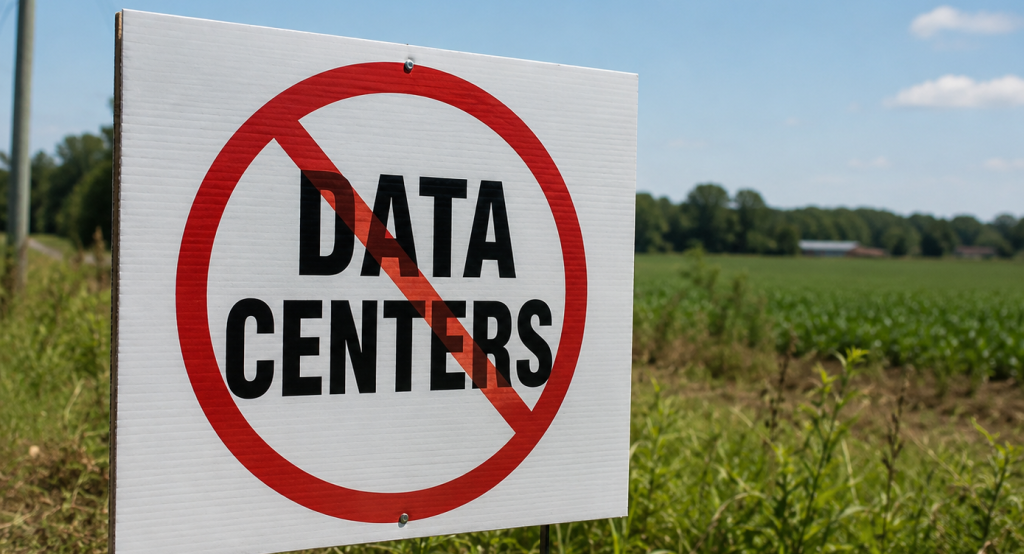
“I’ve had a couple of mayors from across the state call and say, ‘Our city council voted to really slow down and really think about these data centers,’” Tuberville said. “I said, we’ve got 67 counties, okay? We’ve got a lot of places to put them. We’ve got a lot of rural areas to put them. At the end of the day, we’ve got to do it if we’re going to grow.”
Then he told the crowd exactly what he tells those mayors.
“I said, ‘So you’re not really interested in $15 million more a year for your school system? What are you doing?’ I said, that’s what the taxes on these things pay. They don’t come in and just put them up. You’re going to make money. You’re going to make tax money. You’re going to be able to pay your law enforcement more. You’re going to be able to pay your teachers more. You’re going to be able to build things that you’ve never been able to build.”
“‘Did y’all talk about that?’ ‘Well, we didn’t hear about it,’” he continued. “Well, before you start jumping on stuff, you need to think a little bit. Don’t put the cart before the horse.”
Tuberville, who has been banging this drum for months and says he and his staff “have studied, for almost two years” on the issue, was blunt about where he believes the sudden wave of data center alarmism comes from.
“The negativity – that’s not coming from here,” he said. “The deal is, we’re getting a lot of negative propaganda from China. We’re getting a lot of negative propaganda from Democrats, because they take the opposite side of whatever we take.”
His point on incentives is strong.
The global AI race will be won on computing power, and computing power lives in data centers – which means every American project stalled in a zoning fight is a small victory for Beijing.
Meanwhile, national left-wing pressure groups have made data centers their new pipeline fight, and that imported messaging is now echoing through Alabama town halls – and through the governor’s race, where Democrat Doug Jones has aligned himself with the moratorium crowd, making Alabama one of the states Newsweek flags as having a gubernatorial candidate backing a data center freeze.
Tuberville didn’t let that one pass.
“My opponent in the governor’s race – he says we need a moratorium. That’s exactly the opposite of what we need to do,” he said. “This state is going to grow, and if we’re going to grow, we’ve got to jump in on it today.”
“We are way ahead of China in storing information. We have over 4,000 data centers in the country. We have 20 in our state already.”
As he has insisted before, Tuberville drew a bright line for the utilities: Growth cannot land on the backs of Alabama families.
“If they come to our state, they will use their own power if they can make it. Obviously, Alabama Power or our other entities – TVA, the co-ops – they’ll help them. But they don’t have to hurt us. We are not going to raise power rates. Don’t do it,” he said, praising Alabama Power’s move to freeze rates for two more years and dismissing attempts to pin rising bills on the industry.
“Everybody’s going to look at it and say it’s the data centers. No, it’s not the data centers. We have more people moving in.”
For proof of the payoff, he pointed to the reigning national champion of the industry.
“Where’s the biggest conglomeration of data centers in the world? Virginia, right outside of D.C. They’re on every corner. They are huge. They pay for everything the school system does, higher ed and K-through-12, in the state of Virginia,” he said.
Tuberville made the case to a room full of local officials, state lawmakers and Alabama’s top business leaders who will decide whether the state’s next wave of projects gets a green light – many from communities already straining to keep up with the state’s growth.
“We can’t even find the staff, it’s growing so fast,” Tuberville said of Baldwin County, after ticking through the twelve people a day moving to Huntsville and the steady stream into Birmingham.
Tuberville closed by returning to his core vision as governor.
“At the end of the day, we’ve got to do it if we’re going to grow. That’s really why I’m running for governor: we are going to grow. But if we don’t do anything, you can pat yourself on the back, because we’re not growing.”
“It’s the future – one hundred percent the future,” he said. “And we can talk about anything else we want to talk about, but if we don’t get on the AI train now – it’s coming, and coming fast – then we will fall behind the eight ball very, very quickly, and we can’t allow that.”