The national panic over data centers could create an enormous opportunity for communities willing to take the other side of the argument.
Quincy, Washington, is highlighted here as an example of a community where data center tax revenue has been associated with major public investments, including schools, health care facilities, and recreation. West Virginia is considering a different approach, using a portion of future data center revenue as part of an effort to reduce personal income taxes.
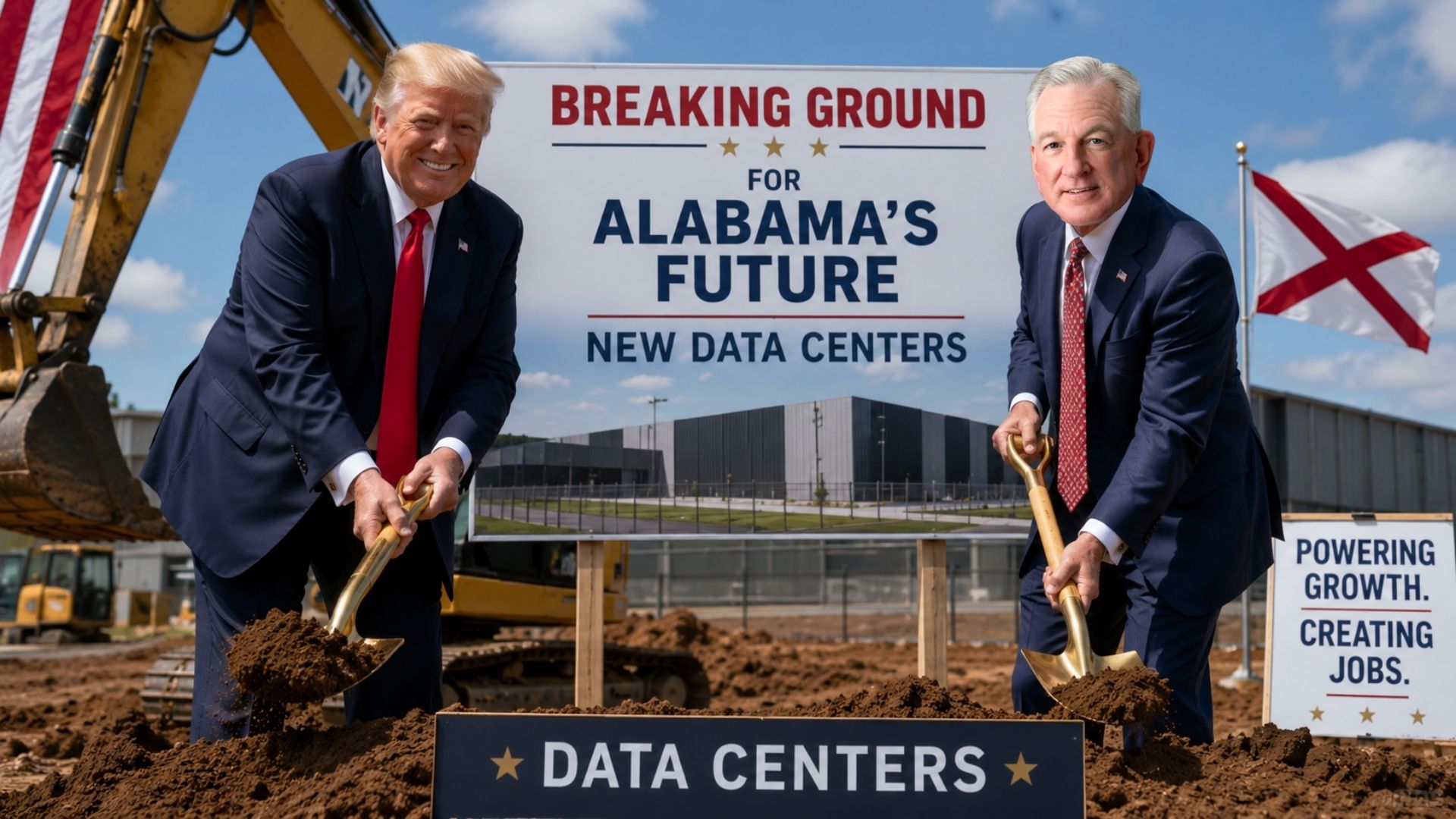
President Donald Trump’s argument is straightforward: communities should want the investment, jobs, and tax revenue associated with data centers. Critics, including Republicans and Democrats, continue raising concerns about electricity, water, noise, infrastructure, and development.
Those concerns deserve actual rules and guardrails.
But communities should also recognize the negotiating opportunity created when everybody else is running away.
If a data center wants into your community, make it pay its own way. Protect taxpayers, infrastructure, neighborhoods, water, and the electrical grid. Then negotiate the best possible deal for the people who already live there.
While everybody else is panicking, somebody is going to take advantage of the opportunity.
Dale Jackson is a thought leader for Yellowhammer News and hosts a talk show from 5-9 a.m. weekdays on WVNN.