Last year, as Alabama marked 20 years since Hurricane Katrina, I wrote about what that storm did to my district. Dauphin Island was split in two by the storm surge. Homes were gone. Families were left to rebuild from nothing.
I wrote then that Alabama needed to stop waiting for the next disaster and start preparing for it, and I pointed to legislation I intended to introduce the following session.
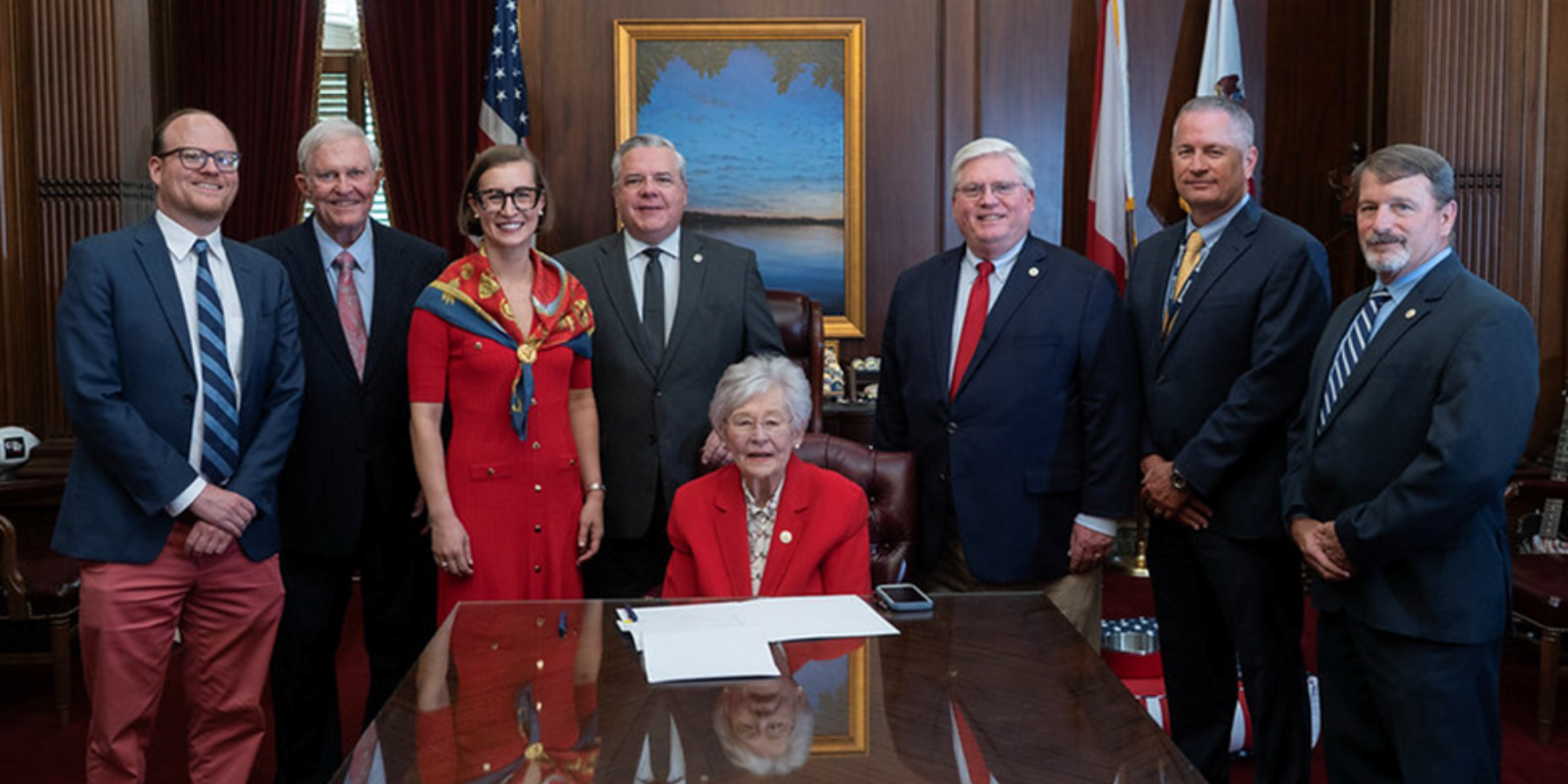
One year later, I can tell you where that legislation stands. This year, the Alabama Legislature passed Senate Bill 137, and Governor Ivey signed it into law, giving Alabama the resilience framework I called for.
That result belongs first to Governor Ivey, who made clear that preparing for the next disaster is a priority for her administration, and to Senator Steve Livingston, who sponsored SB 137 in the Senate, which I was proud to champion in the House.
SB 137 delivers the three things I called for last year. It creates Alabama’s first Chief Resilience Officer, housed inside the existing Department of Insurance and appointed by the Commissioner of Insurance. No new agency, just a single leader with direct accountability for getting resilience work done.
RELATED: Resilience Council to make communities safer, recover faster
It writes the Alabama Resilience Council into permanent law, bringing 15 state agencies together with local governments, small businesses, and academic voices so our preparedness work adds up to one coordinated response. And it requires the state to build a resilience strategy: a risk and vulnerability assessment, a prioritized list of actions with real costs and timelines, and metrics to track whether any of it is working.
Those metrics are where accountability lives. Alabama’s approach to disasters has largely been to clean up after them. SB 137 flips that. Instead of telling ourselves we’ll deal with it when it happens, we now have a plan in place before it does.
Last year I pointed out that mitigation pays for itself. That’s still true, and the numbers make the case better than I can: a 2024 study found that for every dollar invested in disaster resilience, communities save an estimated $13 in economic losses down the road. That is fewer families rebuilding from scratch, fewer small businesses closed for months after a storm, and fewer taxpayer dollars patching the same problem year after year. That is what this law was meant to do: make sure the next storm costs us less, in dollars and in what our neighbors lose.
Partners like the American Flood Coalition helped make that case, bringing forward real stories from local leaders and proven best practices from other states that were instrumental in bringing these ideas into reality.
There is more work ahead. A council and a plan only matter if we follow through on them, and I intend to see that Alabama does. But one year after I asked our state to choose preparation over recovery, I can say we chose it. Alabama is no longer just talking about resilience. We are building it.
Chip Brown represents the 105th District in the Alabama House of Representatives and is Chairman of the House Committee on Ports, Waterways, and Intermodal Transit.