A couple of months ago, I wrote in these pages about Silicon Ranch’s energy and agriculture project in Stockton and why principles like private property rights, land stewardship, and responsible long-term investment matter, even in the face of something new.
Since then, we’ve heard from Baldwin County residents in public meetings, through direct outreach, and in one-on-one conversations.
A few weeks ago, we hosted a community meeting, during which my team and I stood for more than four hours to answer every question until the last person was heard. Some people have asked thoughtful questions about how we will operate.
Others have raised broader concerns about growth, land use, and the future of this part of Alabama. We’ve done our best to answer these questions and respond to every claim—including those based on false social media propaganda—and will continue to do so. And today I’m writing again to provide an important update.
As we shared with folks at our community meeting, Silicon Ranch has now officially purchased the 4,500-acre property in Stockton.
I share this news because property ownership fundamentally changes the nature of who we are in this county. When a business is proposing a project, it is fair to wonder whether that company truly has the community’s interests in mind or whether they’re just passing through.
After all, a developer could always make lofty promises about what they might do but then move on before those commitments are put to the test.
But that’s not how Silicon Ranch operates. We own our land and the projects we invest in to build, and we operate and maintain them for at least four decades. Property ownership in Baldwin County makes our long-term obligations to this community more direct, more tangible, and more consequential, because as property owners and taxpayers, this has now become “our community” too.
Many of our responsibilities are practical: We are accountable for environmental stewardship, responsible land management, regulatory compliance, property taxes, and the long-term performance of the project itself.
Other responsibilities are harder to measure, but no less important. Being a good neighbor is principal among them.
For us, being a good neighbor means listening when those who live near us have concerns. It means showing up when questions are asked and answering those questions candidly and transparently. It means honoring commitments and conducting ourselves in a way that reflects the fact that we expect to be part of this community for generations.
One of the clearest lessons from the past several months—not to mention our experience in more than a hundred other communities across this country—is that these conversations are incredibly difficult to navigate when strong emotions collide with incomplete or false information.
Straightforward and honest answers to reasonable questions can get buried when the facts get clouded by speculation, secondhand claims, or social media bots that intentionally propagate misinformation to sow discord. These assaults on the truth lead to misguided assumptions about what a project is—and what it is not.
As property owners and taxpayers in this community, we firmly believe that you deserve better.
If you have questions about Stockton, I encourage you to seek answers. We welcome your questions on our dedicated project page (siliconranch.com/stockton), where we’ve been collecting and answering questions we’ve received from the community.
We’ve received questions on topics ranging from environmental stewardship and land management to power grid benefits, local jobs, agricultural operations, and site selection. Alabama Power has also published project information (alabamapower.com/tools/stockton-solar-project.html), and we will continue to update you as additional materials become available. Just as importantly, our team remains available for direct conversations.
We have sought to engage directly because long-term ownership demands that kind of accountability. Not everyone will agree with us, and that’s okay. But let disagreement be based on the facts, not misinformation.
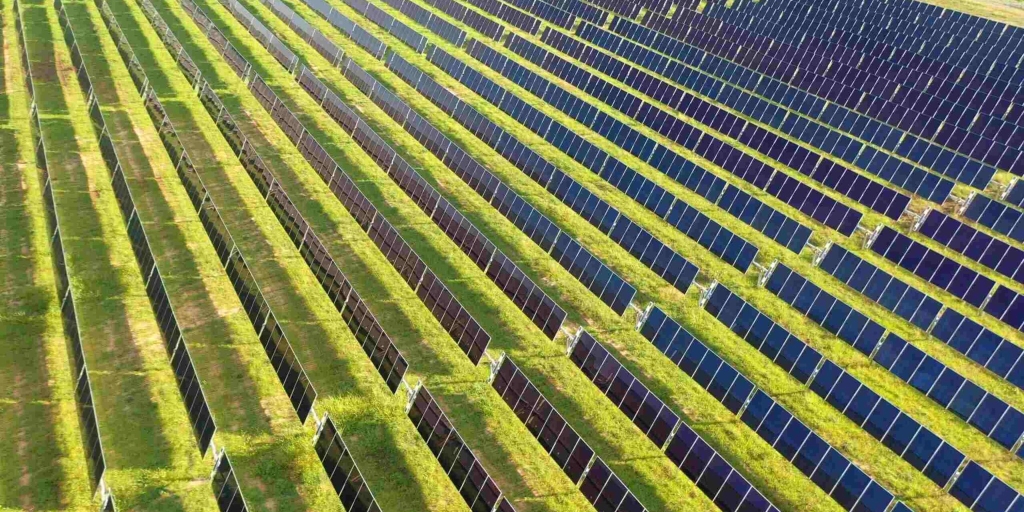
Our energy and agriculture project represents a significant long-term investment of more than $350 million in Baldwin County. It will strengthen local energy infrastructure at a time when electricity demand is rising across the state and throughout the country. It will generate meaningful tax revenue of more than $50 million to benefit this community. It will support domestic manufacturing, including right here in Alabama, where more than 800 Alabamians produce our modules at a $1.2 billion First Solar facility in Lawrence County.
Our project also reflects a different approach to land stewardship than some have claimed.
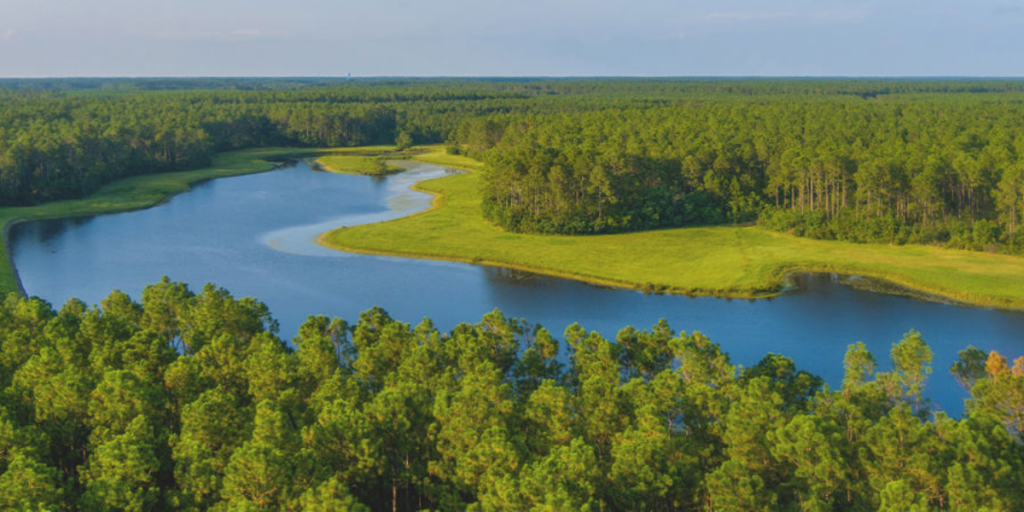
This property has long been industrial timberland, managed for commercial production for decades. Our project does not convert it into pavement, warehouses, or permanent industrial development.
Instead, the land we own will remain productive through a combination of energy generation, agricultural use, and conservation stewardship. Part of it will remain timberland, while the rest will be converted into healthy and productive pastureland.
I know some of you have raised questions about waterways, wetlands, and the long-term health of the surrounding environment. As the long-term owner of this property, we acknowledge and embrace our responsibility for how the land is managed, and we care deeply about the health of this land and the surrounding ecosystem.
That includes erosion controls, stormwater management, grazing practices, soil health, and protecting surrounding natural resources. Stewardship is not a talking point for us; it is an operational obligation that comes with ownership of private property.
A sense of “community” is not built through a single public meeting or a single newspaper column. Trust is built through continued engagement, honest dialogue, deliberate action, and the willingness to keep showing up over time.
Silicon Ranch is now a proud Baldwin County landowner and dedicated long-term neighbor. We intend to continue this conversation the same way we intend to operate here: directly and responsibly, with an eye to the future.
Reagan Farr is the co-founder, president and CEO of Silicon Ranch, the developer, owner and operator of the Stockton energy and agriculture project in Baldwin County.