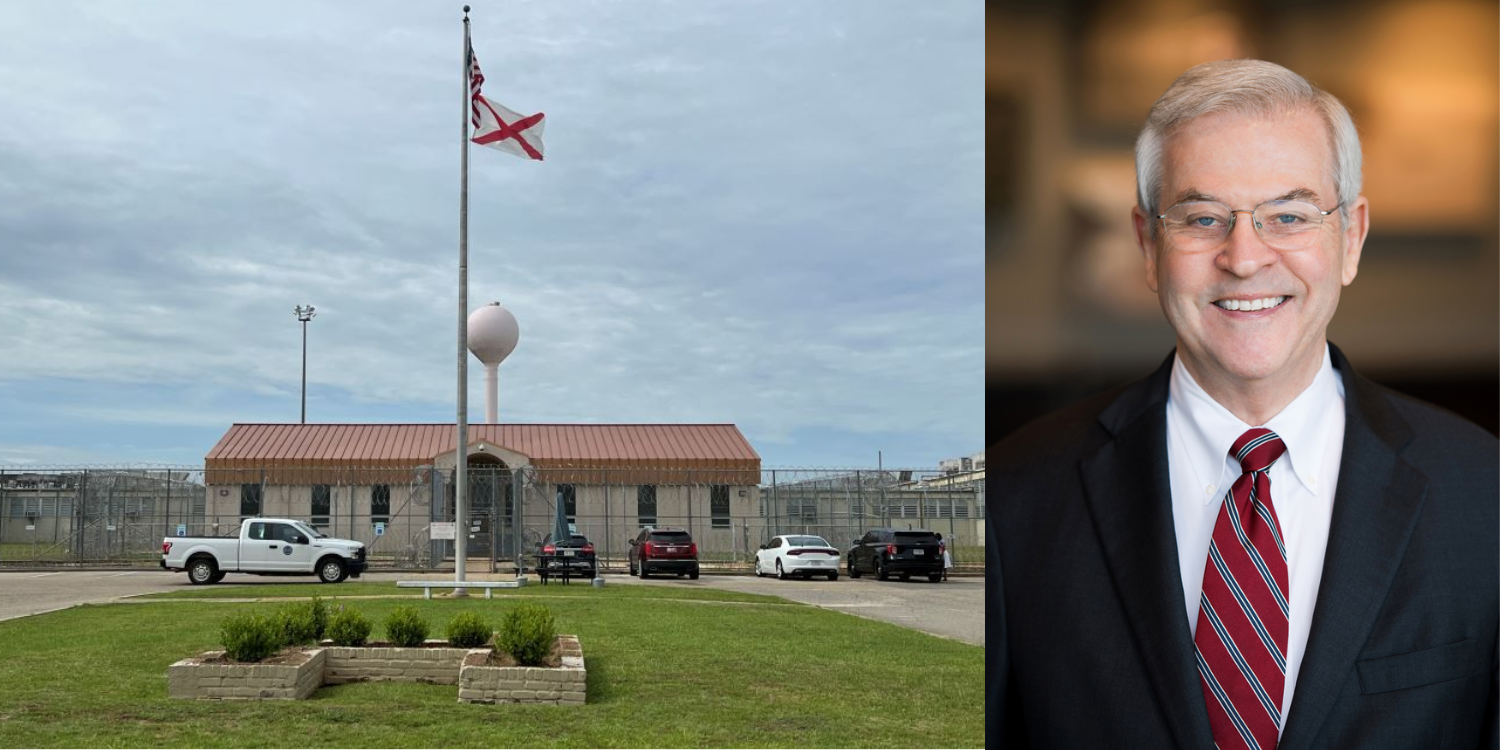
I served on the Alabama Supreme Court from 2001 to 2007. During those six years, I reviewed several death penalty cases in which a jury had recommended life imprisonment without the possibility of parole, but the trial judge overrode that recommendation and imposed a sentence of death.
At the time, Alabama law allowed judges—not juries—to make the final sentencing decision in capital cases. The jury’s verdict was considered only advisory.
As a justice, I was sworn to apply the law as it existed. That is what I did.
After I left the Court, however, the United States Supreme Court ruled that sentencing systems allowing judges, rather than juries, to make the final decision between life and death were unconstitutional.
In 2017, the Alabama Legislature abolished judicial override.
Every other state that had once allowed the practice had already done the same. Today, in Alabama, the jury’s decision between life without parole and death is final. Judges no longer have the authority to substitute their own judgment.
Looking back, I do not believe the old law was unlawful at the time. But it required elected trial judges to overturn decisions already made by twelve jurors. That created circumstances in which the appearance—if not the reality—of outside pressure could exist. I believe the Legislature was right to end the practice.
Whatever one’s views about the death penalty, it is difficult to defend a system in which twelve jurors carefully consider the evidence and vote for life, only to have a single elected judge impose death instead. It is even harder to defend now that every state that once permitted judicial override has abandoned it.
The difficult question is what should happen to those sentenced to death under the old law.
Because the 2017 repeal was not made retroactive, men remain on Alabama’s death row today under sentences that could not legally be imposed on anyone convicted today. I recognize that reopening those cases raises legitimate legal questions involving finality and appellate procedure. Those are serious issues.
But there is also a broader question of fairness.
When a state decides that a sentencing procedure is no longer just and abolishes it, should it continue carrying out death sentences produced by that very procedure? That is not necessarily a legal question. It is, I believe, a moral and public policy question worthy of careful consideration.
I do not write to criticize decisions made by the courts under the law that existed at the time, including my own. Nor do I suggest those decisions were legally incorrect when they were rendered. I write because people occasionally ask what I think of judicial override now that it has been abolished, and I believe they deserve an honest answer.
The Legislature rightly changed the law in 2017 to ensure that only a jury—not a judge—can make the ultimate decision between life imprisonment without parole and death.
The remaining question is one of fairness and justice. Should individuals sentenced to death under a system our state has since rejected be executed simply because they were sentenced before the law changed?
Justice Robert Bernard Harwood, Jr. served on the Alabama Supreme Court from 2001 to 2007 after nine years as a Circuit Judge in Tuscaloosa County. A 1963 graduate of the University of Alabama School of Law, he taught trial advocacy and evidence for more than forty years, is a senior partner at Rosen Harwood in Tuscaloosa, chairs the Alabama Supreme Court’s Committee on the Alabama Rules of Evidence, and has been repeatedly appointed by the Court to serve as a Special Justice.