Ask any parent in Alabama what worries them most about raising children today, and the answer often comes back to the devices in our homes and our kids’ hands. The internet and social media have brought new risks, and with just a few taps, a smartphone can open doors no parent would ever willingly unlock.
That is why I have spent years in the Alabama Legislature fighting to give parents greater control over what their children can access online. I spearheaded the Protection of Minors from Unfiltered Devices Act because parents should not have to fight technology just to protect their kids from inappropriate content. And more recently, the App Store Accountability Act, which would require app stores to verify minors’ ages.
The principle behind both pieces of legislation is simple and matters deeply to me and many of the families I represent. Parents know their children better than a technology company ever will. They should have the tools to make decisions in the best interest of their families, and the companies that make and sell these platforms should not make those decisions harder.
That same principle should not end with what happens on the screen. It should extend to all things that families work hard to pay for. In Alabama, we understand what it means to have pride in what you own. If you buy a truck, you can choose where to take it for repairs. If the gas station down the road has a better price, you can fill up there instead. You should not lose those choices simply because of where you bought the truck.
But somehow, when it comes to our phones, the rules change.
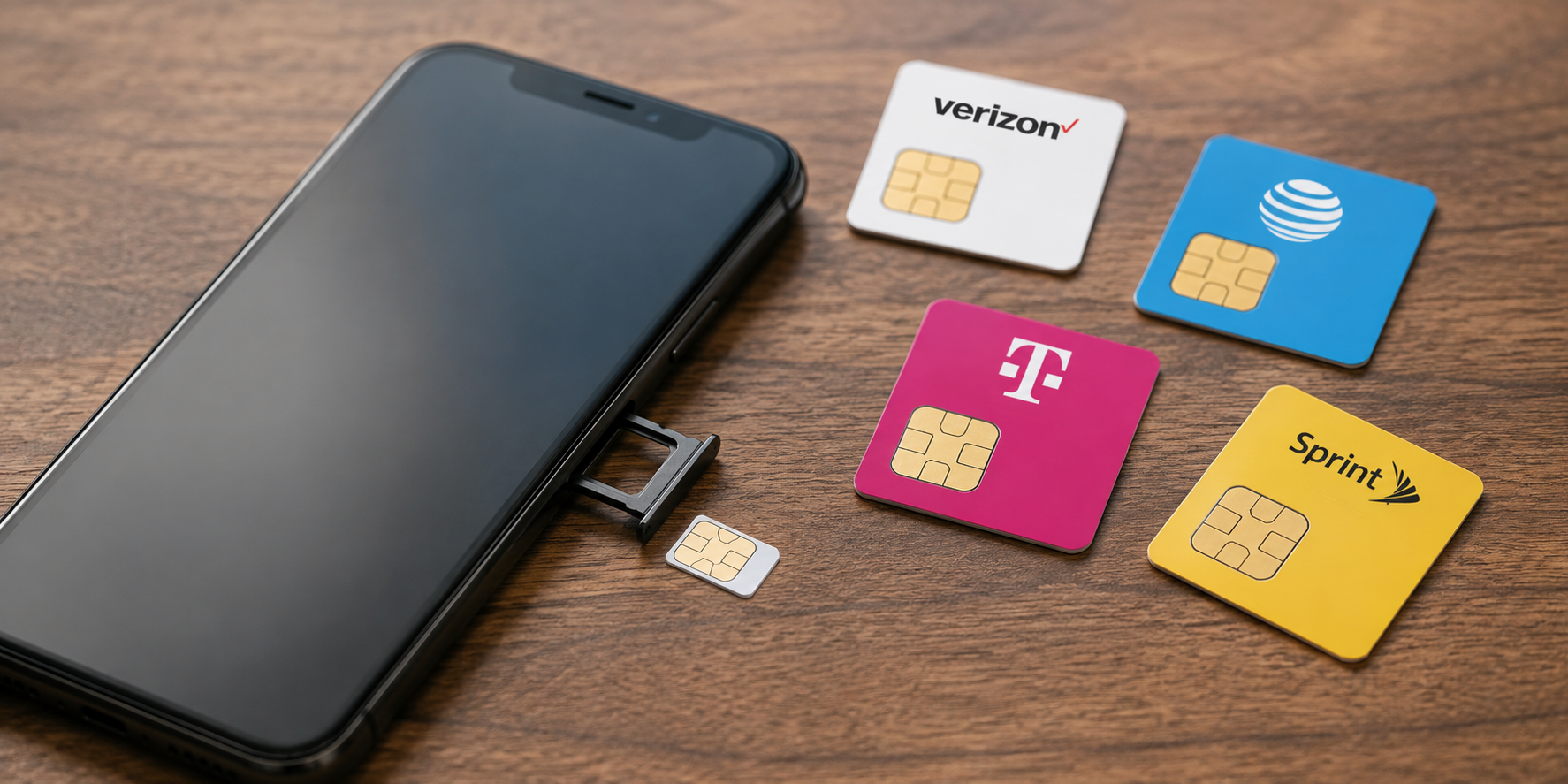
A family can spend hundreds of dollars on a phone, only to find they cannot take it with them if they want to switch providers. The device is most likely locked to the company that provides its service at purchase, making it harder to switch later to a competitor offering a lower price, better coverage, or a plan that simply works better for their family.
For Alabama families, this is about having more control over the devices in their homes, more freedom to make decisions for their family, and more say over where their hard-earned money goes.
Thankfully, there’s also a simple way to address this problem. Alabama Senator Katie Britt recently led a letter to Federal Communications Commission Chairman Brendan Carr calling for a uniform rule that would automatically unlock phones, allowing families to more easily take the devices they already paid for to another provider. This has the potential to save families between $1,000 and $2,000 annually.
When families are free to shop around, wireless companies must work harder to keep their business. That means competing on the things families actually care about: a better price, stronger coverage, robust privacy protections, and more reliable service. For a family looking closely at what comes out of the household budget each month, having another option can make a real difference.
Wireless prices are already moving in the right direction, with President Trump and Chairman Carr having made lowering costs for American families a priority. Carr recently noted that actual wireless service prices have fallen four times more during President Trump’s first 18 months in office than they did over the same period under President Biden.
That is progress families can count on, and we should build on it. Automatic unlocking is an opportunity to do just that.
I have seen in Alabama what we can accomplish when we put families first in decisions about technology. Automatic phone unlocking follows that same common-sense approach: trust them to decide what works best for their family.
President Trump and Chairman Carr have already helped move wireless prices in the right direction, and I thank Senator Britt for leading the way in pointing to where more progress can be made. The FCC should seize this opportunity to put more control back in the hands of Alabama families.
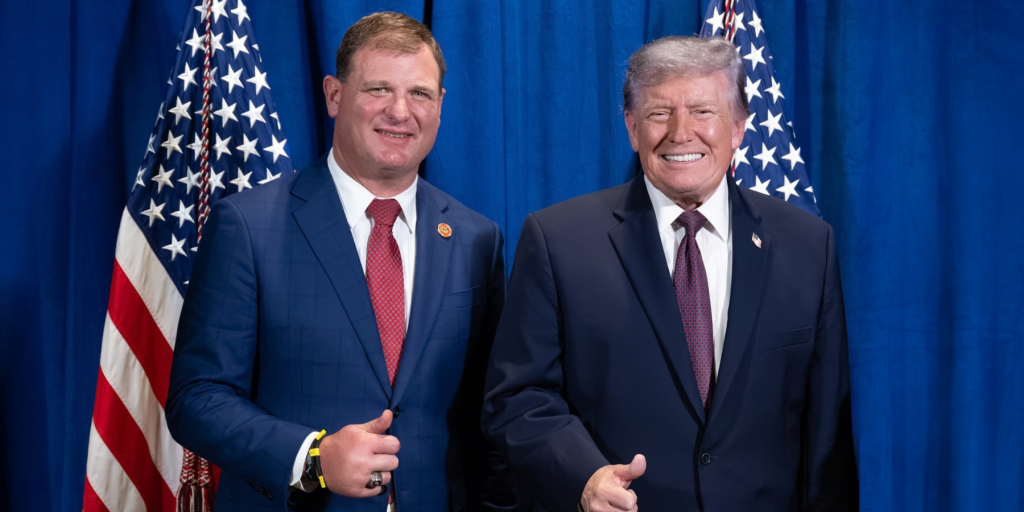
Chris Sells has represented District 90 in the Alabama House of Representatives since November 2014.