Colorectal cancer remains a significant health concern in Alabama, where it is the second-leading cause of cancer-related deaths, according to the Alabama Department of Public Health. As health officials continue encouraging more residents to get screened, the American Cancer Society has added a new option that could make screening easier for some patients.
The American Cancer Society announced May 27 that it has updated its colorectal cancer screening guidelines to include a blood-based screening test for the first time. The change adds Guardant Health’s Shield blood test as a screening option for average-risk adults age 45 and older who decline or do not complete recommended stool-based tests or visual examinations such as colonoscopy.
The update comes as healthcare providers continue working to improve screening rates nationwide. According to the American Cancer Society, millions of eligible Americans remain unscreened for colorectal cancer despite longstanding recommendations that adults begin screening at age 45.
The issue carries particular significance in Alabama. According to the Alabama Department of Public Health, colorectal cancer is the state’s second-leading cause of cancer-related deaths. Data cited by UAB’s Lister Hill Center found that 2,510 colorectal cancer cases were reported in Alabama in 2021, with an incidence rate of 39.4 cases per 100,000 residents, higher than the national rate of 36 cases per 100,000.
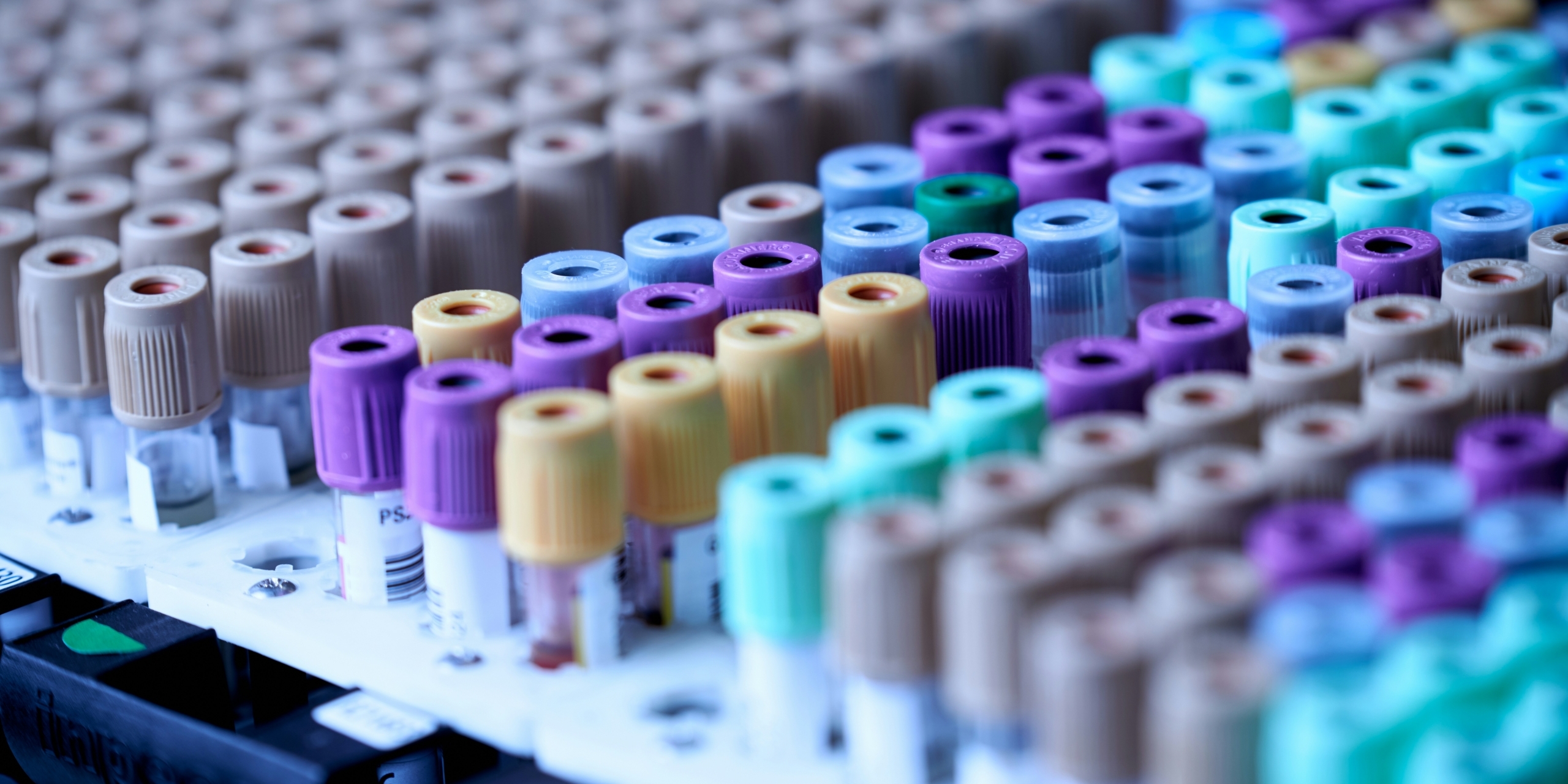
The Shield test became the first blood-based screening test approved by the U.S. Food and Drug Administration for primary colorectal cancer screening when it received FDA approval in July 2024. The test analyzes DNA fragments in a blood sample that may indicate the presence of colorectal cancer and can be completed during a routine healthcare visit.
Supporters of the guideline change say the additional option could help reach patients who have avoided screening because of concerns about preparation requirements, scheduling challenges, discomfort or the invasive nature of traditional screening methods.
However, health experts caution that the blood test should not be viewed as a replacement for colonoscopy.
According to Reuters’ reporting on the guideline update, the American Cancer Society continues to consider colonoscopy a primary screening tool because it can both detect and remove precancerous polyps during the same procedure. Patients who receive a positive blood-test result are still advised to undergo a follow-up colonoscopy.
The limitations of blood-based screening have also been highlighted by researchers. A study published in the New England Journal of Medicine found that the Shield test detected 83% of colorectal cancers in an average-risk screening population. However, the study found it detected only 13% of advanced precancerous lesions, which can often be removed before they develop into cancer.
The National Cancer Institute has likewise noted that blood-based screening tests are generally less effective than colonoscopy at identifying precancerous growths. Still, researchers and public health advocates argue that increasing screening participation remains a critical goal because colorectal cancer is often highly treatable when detected early.
The American Cancer Society said the updated guidelines are intended to provide additional screening choices for patients and healthcare providers. While colonoscopy remains the most comprehensive screening method, advocates hope the addition of a blood-based option will encourage more people who have postponed screening to take that first step.
For physicians and cancer organizations alike, the message remains unchanged: the best screening test is the one that a patient actually completes.
Sherri Blevins is a staff writer for Yellowhammer News. You may contact her at [email protected].