As more Alabama law enforcement agencies rely on Flock Safety’s automated license plate reader (ALPR) systems to investigate crimes and locate missing people, officials say the technology has become an essential tool in modern policing — provided agencies have clear policies and safeguards governing their use.
The issue gained renewed attention after two isolated incidents — the Moody Police Department terminated an officer and the Springville Police Department said another officer resigned following separate internal investigations involving the use of Flock camera technology.
Both departments referred their findings to the Alabama Law Enforcement Agency (ALEA) for review, according to ABC 33/40. Officials note that internal review caught both issues and led to swift action — evidence, they say, that the system’s built-in accountability measures work.
Despite the incidents, many Alabama law enforcement leaders continue to strongly support the system, pointing to its record of solving cases and bringing families answers.
Although Rainsville’s Flock cameras are no longer operational, Police Chief Michael Edmondson said he believes they remain a valuable investigative tool.
“We have Flock cameras, but they are outdated and no longer operational,” Edmondson told Yellowhammer News. “I absolutely support the technology because it can be beneficial in locating people with outstanding warrants, finding missing children or elderly individuals, and assisting with felony investigations. Our department also has policies in place addressing any misuse or abuse of the system.”
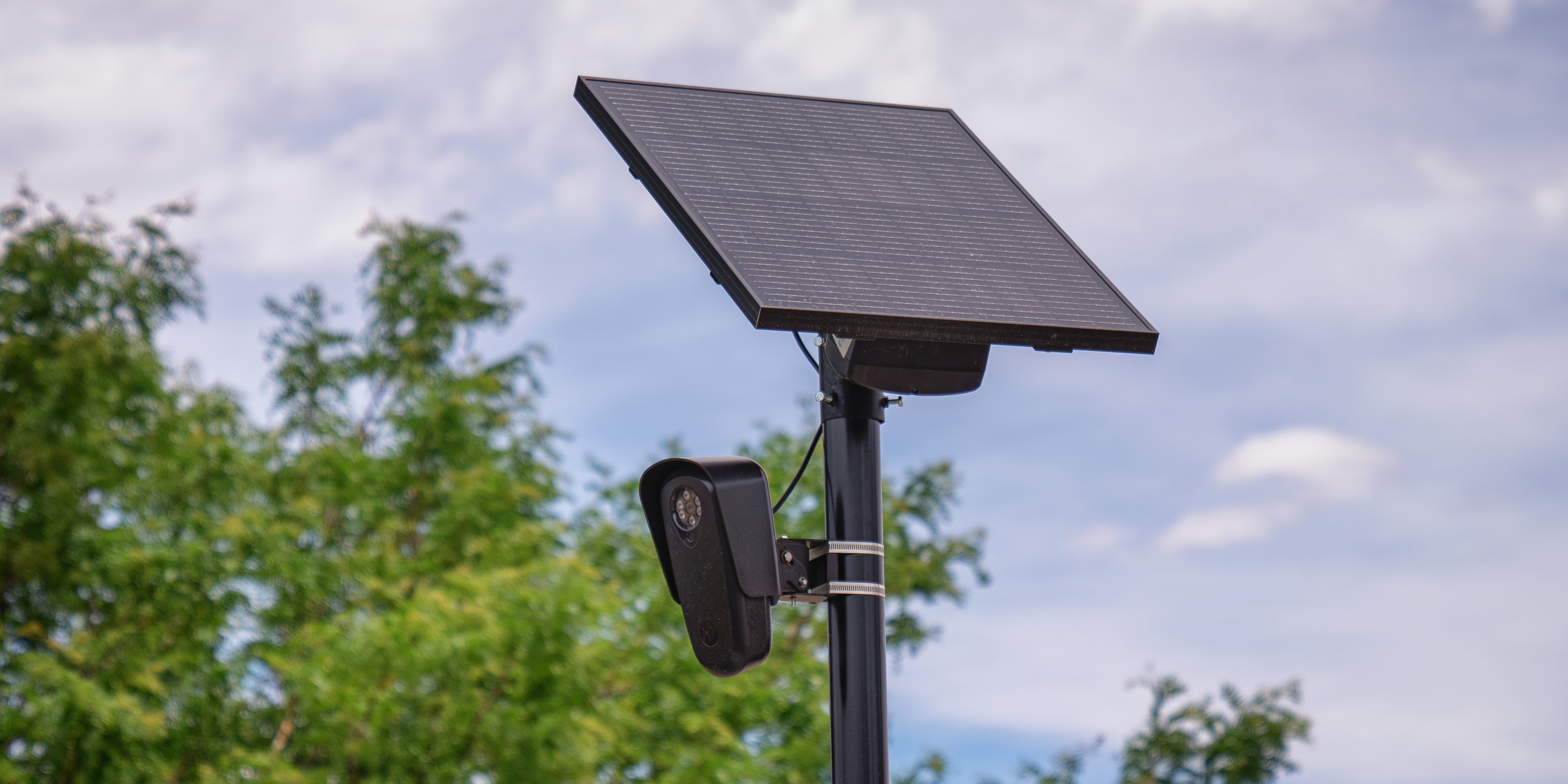
Flock’s license plate readers capture images of vehicles traveling on public roads and record information such as license plate numbers, vehicle make, model, color, location and the date and time a vehicle passes a camera. Unlike facial-recognition systems, Flock says its license plate readers identify vehicles rather than people and do not collect biometric information.
The Alabama Sheriffs Association has described Flock cameras as one of several emerging technologies that help officers locate wanted suspects, recover AMBER Alert victims and generate investigative leads while emphasizing that agencies should have policies and procedures governing their use.
Birmingham Deputy Chief Rodarius Mauldin told ABC 33/40 the department uses the system to help locate missing people suffering from cognitive decline, identify suspects in violent crimes and recover stolen vehicles. He said every search must be tied to a specific offense; users receive training before accessing the system and searches are audited every 30 days.
Alabaster Detective Andrew Rowan similarly told the station only trained, authorized personnel can access the system and that searches are subject to supervisory oversight and audits. He said the cameras have helped locate suspects, recover stolen vehicles and find missing or endangered people.
Alabama also has statewide rules governing how law enforcement agencies may use automated license plate recognition systems. Rules adopted by the Alabama Justice Information Commission in 2022 require agencies to adopt and publicize written policies before collecting or using ALPR data. Agencies must maintain records showing who accessed the information, when it was accessed and the purpose of each search. Data may be shared only for criminal justice or public safety purposes and cannot be sold.
The regulations also require ALEA’s Criminal Justice Information Services Division to audit participating agencies at least once every three years. Agencies found out of compliance have 90 days to correct deficiencies before risking suspension of access to ALEA information systems related to license plate readers. The rules further require ALEA to provide an annual report to the Alabama Justice Information Commission summarizing audit results, agency compliance and findings of misuse.
Under Alabama regulations, agencies may retain license plate reader data for up to five years, although Flock says its standard data retention period is 30 days unless a customer establishes a different policy or is subject to other legal requirements.
Privacy advocates argue that, despite those safeguards, the growing use of automated license plate readers raises concerns about government surveillance and the potential misuse of personal data.
In an interview with ABC 33/40, Eleni Manis, research director for the Surveillance Technology Oversight Project, said there is no comprehensive federal law regulating automated license plate readers and argued additional safeguards are needed. State Rep. Ron Bolton told the station the system can be an effective investigative tool but said strong “guardrails” are necessary to ensure it is used appropriately.
While debate over Flock cameras is likely to continue, Alabama law enforcement leaders maintain the technology remains a valuable public safety tool when paired with strong policies, training and oversight.
Sherri Blevins is a staff writer for Yellowhammer News. You may contact her at [email protected].