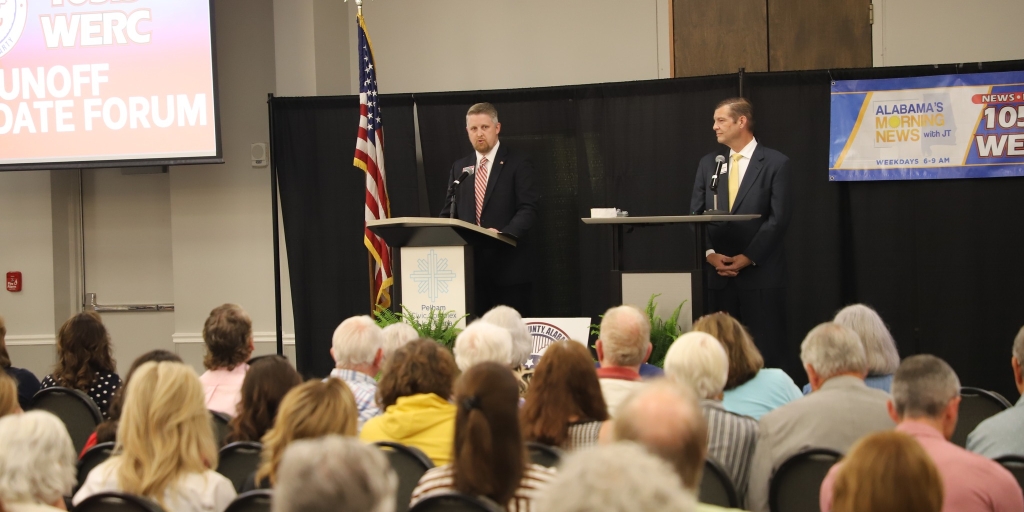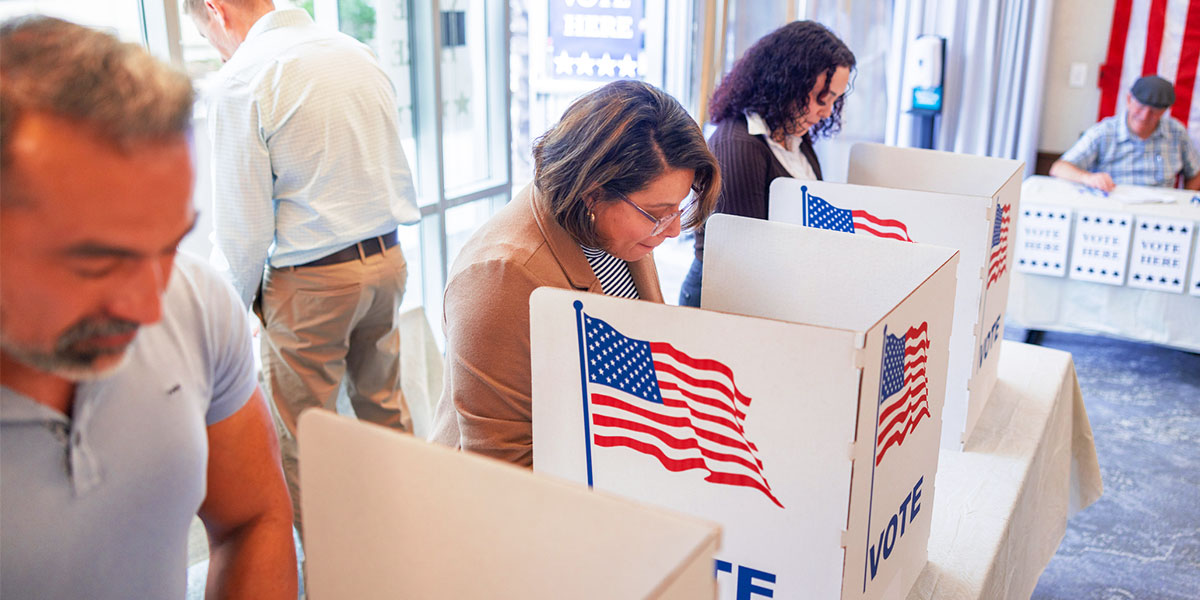
Let’s call it what it is: Alabama spent millions of dollars to hold an election that only one in ten Alabamians voted in.
Last week’s runoff election drew just 408,740 voters out of nearly 3.8 million registered voters statewide. That’s barely 11% participation. Put another way, almost nine out of every ten registered voters stayed home.
Yet taxpayers still paid for polling places to open, ballots to be printed, voting machines to be deployed, and poll workers to be staffed across the state.
That’s a lot of money for a lot of empty polling locations.
There’s another problem with runoff elections: voter fatigue.
By the time a runoff arrives, voters have already endured months of political ads, campaign texts, mailers, and social media attacks. Donors are tired of being asked for more money, and voters grow weary of constant negative ads interrupting their favorite television shows, news programs, and sporting events.
Instead of increasing engagement, extended campaigns often leave voters frustrated and tuned out. Many simply decide they’ve had enough and stay home.
The uncomfortable truth is that runoff elections often solve one problem while creating another. They ensure a candidate wins a majority of votes cast, but they do so by asking voters to return to the polls a second time just weeks later. Most don’t.
In fact, studies show turnout in runoff elections routinely collapses. A FairVote analysis found turnout drops by an average of more than 60% between primary elections and runoffs nationwide. Think about that. The second election often attracts only a fraction of the voters who showed up for the first one.
If your business lost 60% of its customers every time it repeated a process, you wouldn’t call it a success. You’d call it broken.
Meanwhile, most states have already moved on. States like Florida and Tennessee use a simple winner-take-all system in their primaries. The candidate with the most votes wins.
One election. One decision. One bill for taxpayers.
No second election.
No voter fatigue.
No spending millions of dollars to get fewer people to participate.
And here’s the irony: runoff elections are supposed to produce stronger mandates. Instead, they often produce winners chosen by a much smaller group of voters. In many runoffs, the winning candidate actually receives fewer votes than they earned in the original primary because turnout drops so dramatically.
That’s not expanding participation. That’s shrinking it.
Alabama families are tightening their budgets. Local governments are watching every dollar. Yet our election system continues spending significant taxpayer resources on elections where nearly 90% of voters don’t participate.
At some point, taxpayers have the right to ask a simple question: Are we getting our money’s worth?
This isn’t about helping one party or one candidate. It’s about common sense. It’s about whether Alabama should continue paying for a second statewide election when most voters have already made up their minds—or decided they’re not coming back.
Maybe the answer is a winner-take-all system. Maybe it’s another reform. But doing nothing shouldn’t be an option.
When nine out of ten registered voters stay home, democracy hasn’t reached its full potential. That’s not a win for Alabama—it’s a wake-up call. Alabama can do better.
Laura Johnston Clark is a wife, mother, and businesswoman. She grew up in the Wiregrass and now lives in Birmingham with her husband, retired Air Force Colonel David Etheredge. She is a member of the Alabama Republican Party.