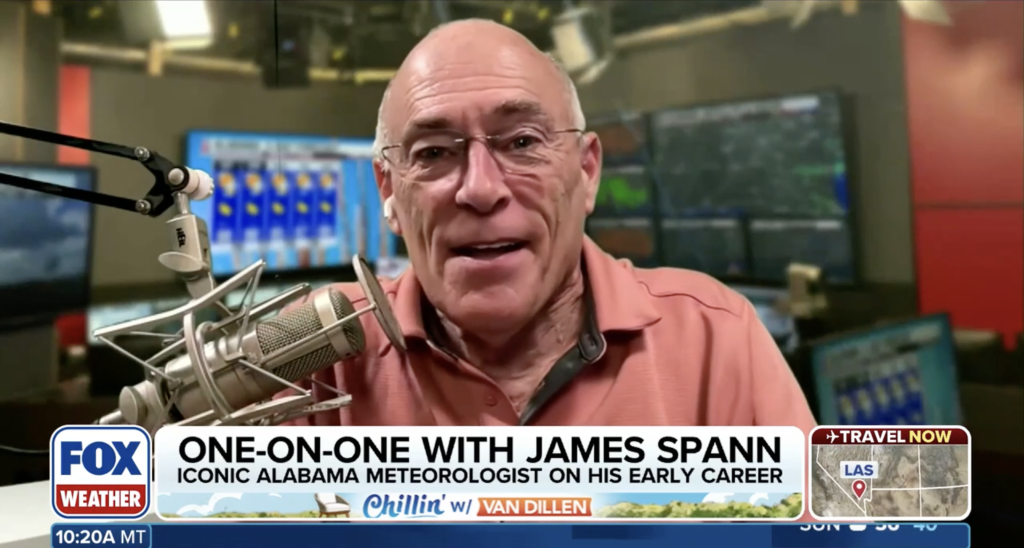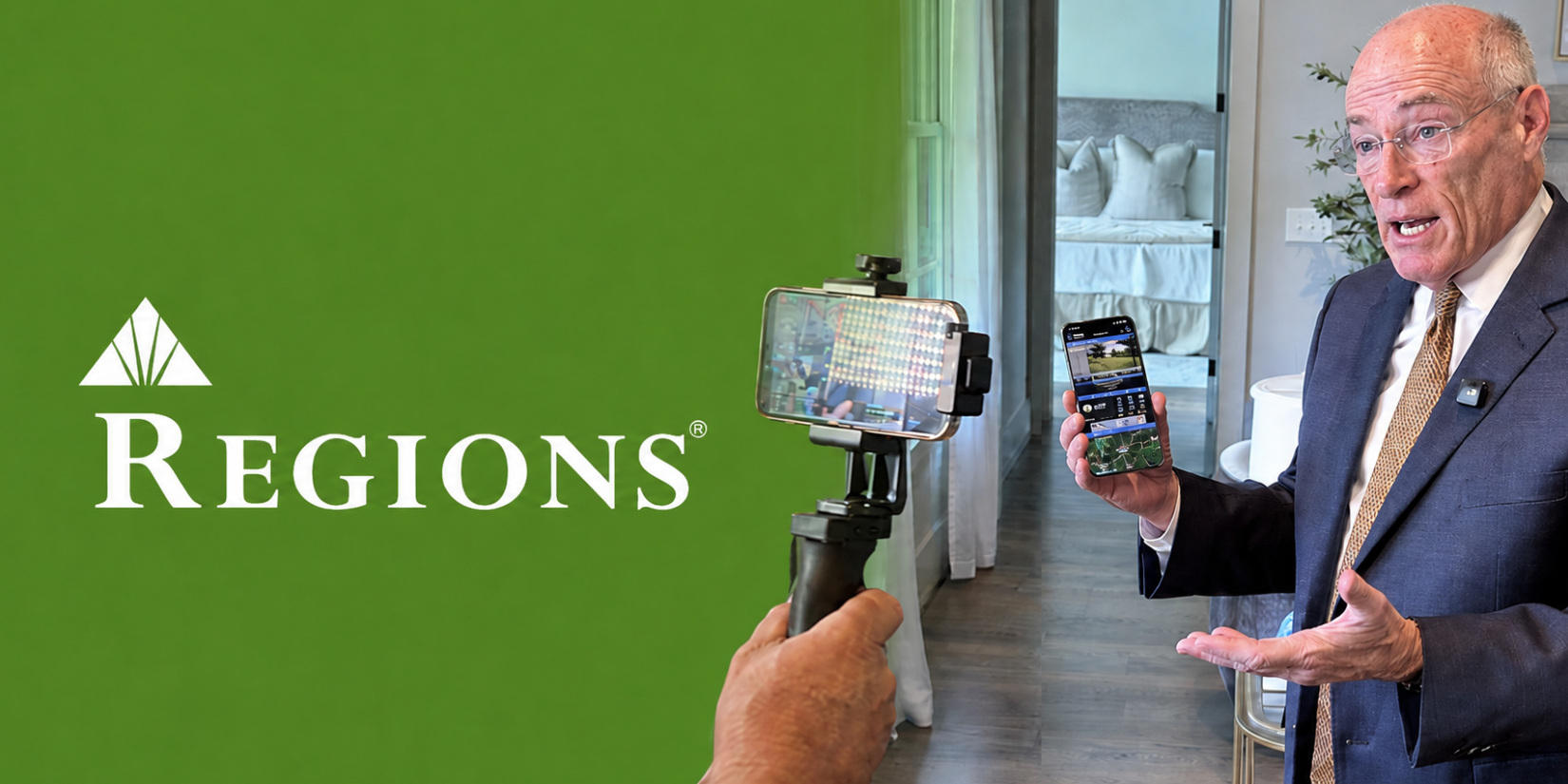
A new home brings plenty of excitement — and plenty of things to worry about. James Spann is reminding homeowners that protecting a house is important, but protecting the people inside it matters even more when severe weather threatens.
Spann shared the message as part of a severe weather preparedness campaign with Regions Bank and the Alabama Weather Network during National Homeownership Month, encouraging families to think now about where they will shelter and how they will receive warnings when severe weather approaches.
The campaign coincides with National Homeownership Month, which is observed each June to recognize the role homeownership plays in communities across the country.
Spann, founder of the Alabama Weather Network and a broadcast meteorologist with nearly 50 years of experience, said memories of the April 27, 2011 Super Outbreak continue to drive his focus on public safety.
“Why do I do this? Too many people died on my watch 15 years ago,” he said. “April 27, 2011, is a day we’ll never forget. That’s why we must do a better job of getting the word out when storms approach.”
The April 25-28, 2011 Super Outbreak remains the largest tornado outbreak on record and ranks among the deadliest and most costly severe weather events in U.S. history.
Spann’s message centers on three basic steps: getting advance warning when severe weather threatens, knowing where to take shelter and having emergency supplies ready before storms arrive.
Get advance warning
The first step, Spann said, is making sure your family can receive weather warnings before dangerous conditions develop.
He recommends every home have a NOAA weather radio capable of issuing automatic alerts when severe weather threatens.
“This is the baseline — a NOAA weather radio,” Spann said. “Every home needs one.”
Spann also encourages residents to install a trusted weather app on their smartphones to receive real-time alerts.
Know where you’ll take shelter
When a tornado warning is issued, Spann said people should move immediately to a safe location.
For most homes, that means the lowest floor in a small interior room away from windows.
“You want to put as many walls between you and the storm as possible,” Spann said.
While basements provide excellent protection, Spann noted that many people survive tornadoes by taking shelter in a downstairs closet or bathroom located near the center of the house and away from exterior walls.
He also emphasized the importance of planning ahead, particularly for residents who live in mobile homes.
Spann said mobile homes do not provide adequate protection from tornadoes and high winds. Residents should identify a community shelter, make arrangements with friends or relatives in site-built homes, or locate another sturdy shelter option before severe weather develops.
Planning ahead is critical, he said, because waiting until storms are already approaching may leave little time to reach safety. Families should also make sure everyone in the household understands the shelter plan.
Build a readiness kit
The final step is keeping basic emergency supplies ready before a storm arrives.
Spann recommends having a helmet for each family member, hard-soled shoes for navigating debris, a portable air horn to help rescuers locate you if needed and a phone charger to maintain communication during power outages.
“A few simple preparedness actions now can make a big difference – and could ultimately save your life the next time severe weather rolls in,” Spann said.
Sherri Blevins is a staff writer for Yellowhammer News. You may contact her at [email protected].