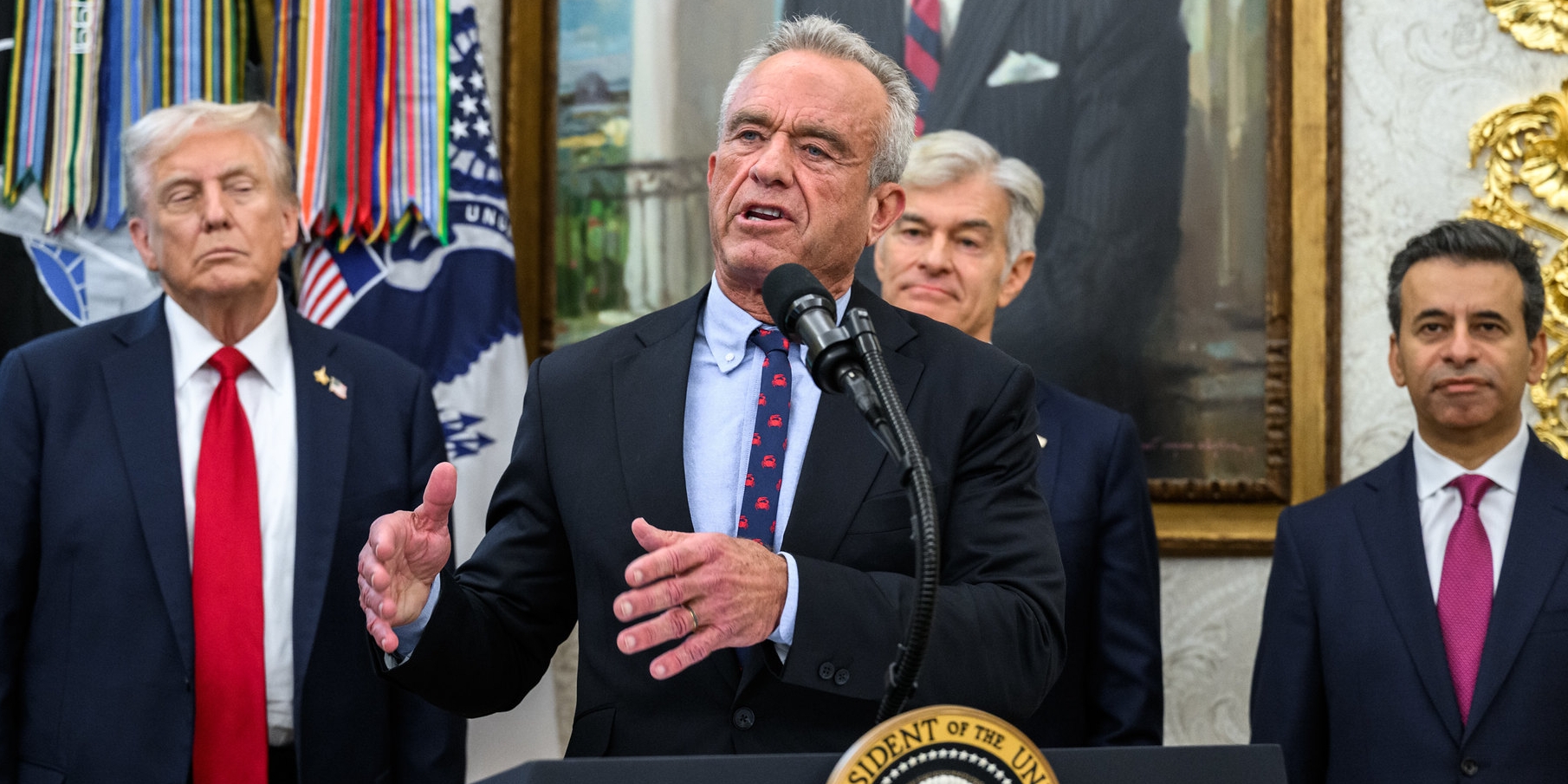
U.S. Department of Health and Human Services Secretary Robert F. Kennedy Jr. on Tuesday determined that a public health emergency exists in Alabama as a result of Hurricane Isaias, clearing the way for federal waivers that let hospitals, doctors and other healthcare providers in the state keep serving Medicare and Medicaid patients while Alabama recovers from the storm.
Kennedy issued a matching determination for Florida. Both follow President Trump’s emergency declarations for Alabama and Florida on Friday, the day Isaias made landfall as a Category 2 hurricane near Destin, Florida, before crossing Alabama over the weekend.
The Alabama declaration covers Baldwin, Mobile and Escambia counties, according to Governor Kay Ivey.
The President’s declarations and the Secretary’s determination allow HHS to authorize temporary waivers and modifications of certain requirements. The flexibilities help the Centers for Medicare & Medicaid Services (CMS) support healthcare providers and suppliers serving people enrolled in Medicare, Medicaid and the Children’s Health Insurance Program (CHIP) in the covered emergency areas.
“Under President Trump’s leadership, HHS is giving healthcare providers in Florida and Alabama the flexibility to keep caring for patients in the wake of Hurricane Isaias,” Kennedy said. “We are helping them maintain essential services, respond quickly as needs change, and keep care available throughout the response and recovery.”
Sean Kaufman, HHS Principal Deputy Assistant Secretary for Preparedness and Response at the Administration for Strategic Preparedness and Response (ASPR), said federal teams were working with state and local officials before and after the storm.
“When a storm disrupts someone’s ability to get care, the need is immediate and personal,” Kaufman said. “I want the people affected by Hurricane Isaias to know that we are here to help. Our federal teams worked alongside state and local partners to understand what communities needed and to support the healthcare services they depend on.”
Prior to landfall, ASPR pre-positioned regional staff in areas at risk from the storm to monitor the impacts on public health and healthcare systems and provide technical assistance in anticipation of state requests. Healthcare System Assessment Teams also deployed to evaluate the storm’s impact on healthcare facilities.
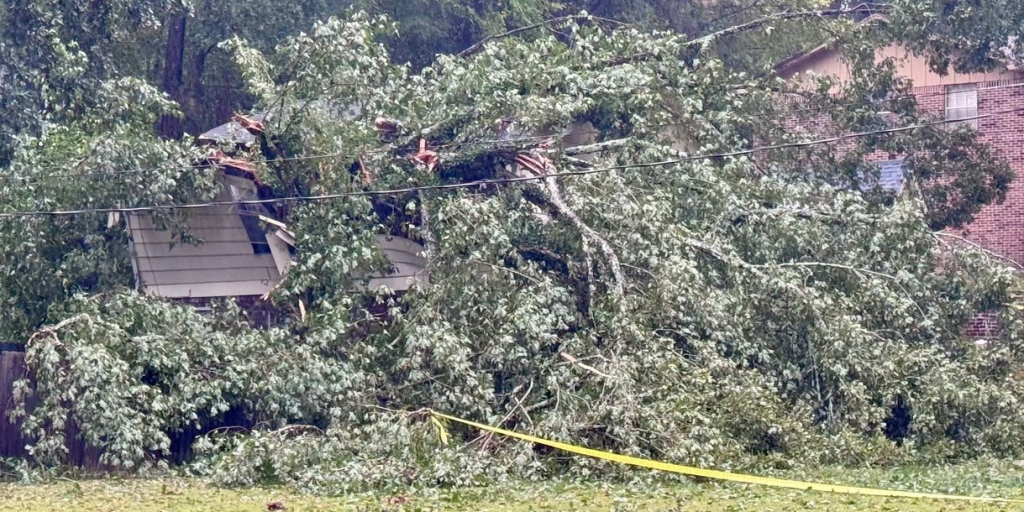
ASPR also shared HHS emPOWER datasets with Alabama and Florida ahead of the storm. The data show responders, by geographic area, how many Medicare beneficiaries rely on electricity-dependent medical equipment or essential services such as facility-based dialysis and home healthcare. Isaias left more than 600,000 customers across Alabama and Florida without power.
In declaring the public health emergency and authorizing flexibilities for CMS providers, suppliers and beneficiaries, Kennedy acted under the Public Health Service Act and Social Security Act. The waivers are retroactive to October 7 in Alabama, the day Governor Ivey’s state of emergency for 40 south and central Alabama counties took effect, and to October 6 in Florida.
Alabamians experiencing emotional distress from the storm can contact the Disaster Distress Helpline by calling or texting 1-800-985-5990. The toll-free, multilingual service, run by the Substance Abuse and Mental Health Services Administration, is available 24/7, and callers can be connected with counselors in more than 100 languages.
Grayson Everett is the editor in chief of Yellowhammer News. You can follow him on X @Grayson270.