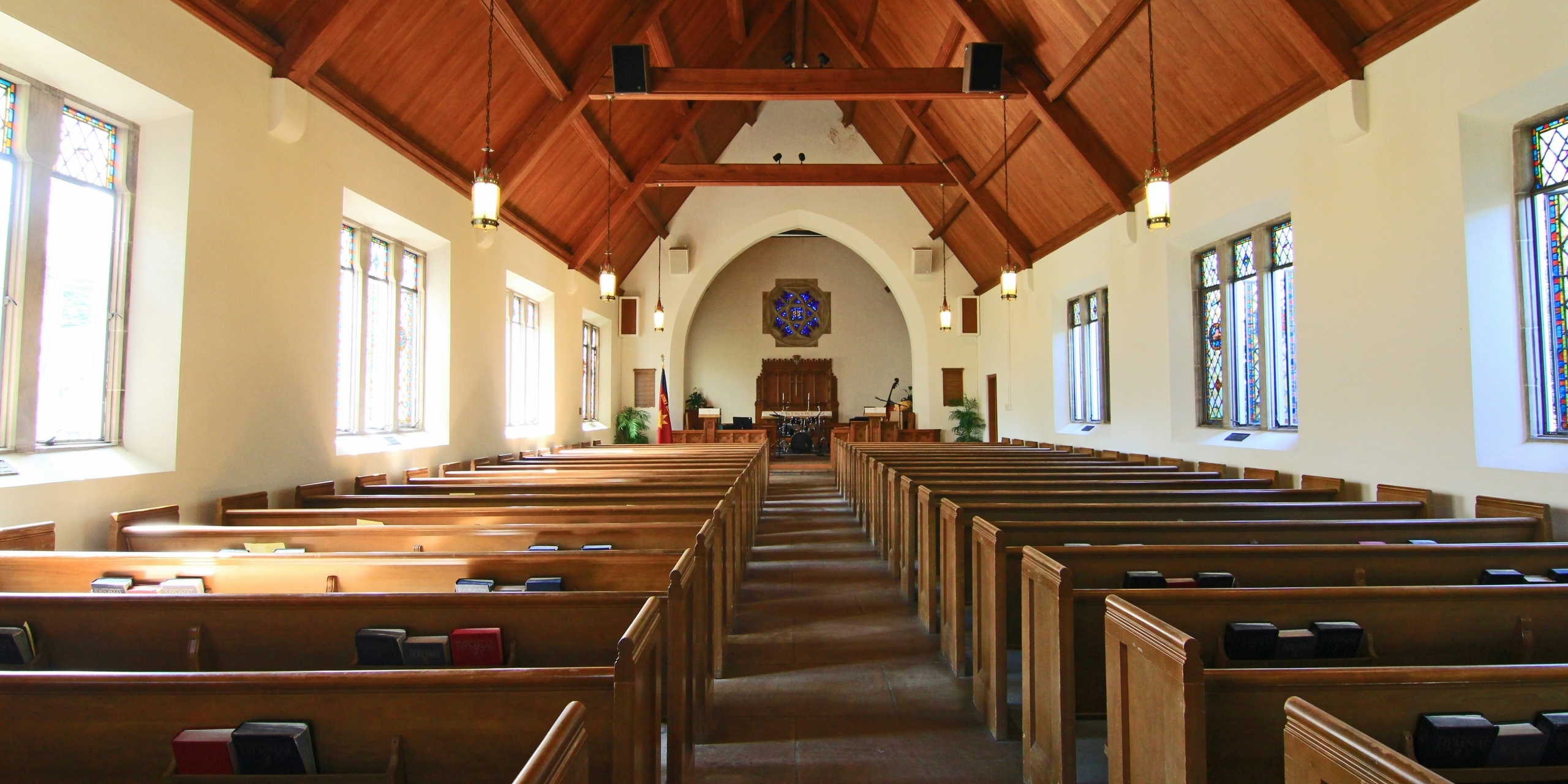
On a Sunday afternoon in rural Alabama, the lot has emptied and most of the congregation has gone home to dinner. The pastor is still there. Three families need him before he can leave. One is caring for a parent with dementia, and the church has been covering the overnight shifts, because the in-home help ran out of funded hours and the grant that would have renewed them never got filed. Nobody in the congregation knew how. There was no one left in the county to ask.
He would not call that a burden. He would call it a calling, and he would be right.
I work on the policy side, and I have sat in enough of these rooms to know the scene is not rare. The pastor has become the discharge planner. The deacon has become the caseworker. They did not go looking for those jobs. They took them because the hospital closed, the county health office lost most of its staff, and the work did not leave when the people did. It landed on whoever was still there on a Tuesday. In most of these counties, the one still there is the church.
Earlier this year I argued in these pages that Alabama’s real shortage is capacity, not money. The staff, the systems, the plain ability to turn an approved program into help that reaches a person. That same gap runs straight through the church door, and it is wider there than almost anywhere.
So here is the question that pastor’s afternoon puts to the rest of us. What do we owe a man who answered a call without the means to see it through?
He could not file the grant. Not for lack of caring. He was covering the overnight shifts himself. He could not file it because filing it took a working relationship with a state agency and a person whose job it was to keep that relationship up, and the county had neither anymore. Those are not special skills. They are the ordinary work of a county that functions. Somewhere with staff, that work gets done. In the county that needs it most, the people who used to do it are gone, and the need they handled did not go with them.
And it is not one lapsed grant. It is the pattern. The help exists on paper, but reaching it takes someone whose job is to reach it, and the counties that have lost the most people are the least likely to still have that person. So the money goes where the staff already is. The places that need it least get it first, and the places that need it most fall another year behind. That is waste, and the church is the one paying for it.
Part of why the load is so heavy is who is left. A county that loses people for a generation loses its working-age families first. The work is somewhere else now, and they go to it. The older people stay. So the counties with the least to work with end up with the most people who need looking after, and the church is what stands in the gap.
Scripture tells us to bear one another’s burdens. It also tells us each man should carry his own load. There is a point where sharing the work turns into leaving all of it on your neighbor, and Alabama has been past that point with its churches for years.
This is not a few unlucky places. Fifty-eight of Alabama’s sixty-seven counties are rural, and they get older every year. An aging mother’s care turns into a standing problem with no office to solve it, and it lands where everything else lands. The oldest counties have the least to work with, and there are more old people in them every year.
No one set out to build it this way. It came from decades of smaller decisions, most of them defensible at the time. Authority gets handed down to the local level and the means to use it does not come along with it. We have told ourselves for a long time that local control is the answer, and it is, but only when the people closest to the problem have what they need to act. Authority without capacity is not local control. It is a county set up to fail, with a church left holding what falls through.
A church can do what no agency can. It knows who is sick before the system does. It holds a trust that no program creates and no grant can buy. That is why it is the wrong place to dump the paperwork. You do not honor that pastor’s calling by handing him the county’s administrative failure on top of it. You honor it by building the capacity that lets his yes reach the family in front of him.
Alabamians have known this for a while, and one of the clearest voices on it was Mike Parker. A Birmingham native, a retired Army officer, and a professor at The University of Alabama for decades, he had no patience for the idea that goodwill is a plan. He saw early what the numbers now show. Alabama is growing old fastest in the places least equipped to care for the old. Churches serving those communities, he argued, need real tools and real partners.
He built the James Houston Center for Faith and Successful Aging to put those tools in the hands of congregations, and the Center is still at it today. Parker died this past December. The people he was trying to reach are still out there in the counties this piece is about.
The Center is named for James Houston, an Oxford scholar who founded a graduate college and, past the age of a hundred, was still writing about what the church owes its oldest members. His point was simple. Faith that is not built into something lasting eventually breaks under the weight it is handed.
That pastor has done this work long enough to know what it costs. His church answers to the people in front of it every day, while the system that failed them answers to no one. Alabama’s churches have answered the call. The state has not built the capacity to meet that answer, and until it does, what we keep calling local control is no such thing. It is authority without capacity, and a calling without the means to fulfill it, left to the people least able to say no.
David L. Albright, PhD, is a University Distinguished Professor at The University of Alabama and serves on the board of the James Houston Center for Faith and Successful Aging. The views expressed here are his own and do not necessarily reflect those of his institution.