A new national survey suggests residents in three Alabama communities feel especially optimistic about growing older and living long, healthy lives.
The survey named Mountain Brook, Homewood and Madison as the state’s top “longevity mindset” communities — places where residents reported feeling positive, proactive and in control of their long-term health.
The study was commissioned by A Mission for Michael, a mental health treatment organization focused on wellness and behavioral health care and conducted by Cherry Data Signals. Researchers surveyed 3,025 Americans about how likely they believe they are to live to age 100 and what factors they associate with longevity.
Rather than measuring actual life expectancy or medical outcomes, the survey focused on perceptions and lifestyle — specifically, how people view their health, routines, stress levels, and environment.
Nationally, the survey’s top-ranked communities included places such as St. Augustine, Asheville and several Hawaii communities, where participants associated long life with walkability, outdoor activity, lower stress and strong community connection.
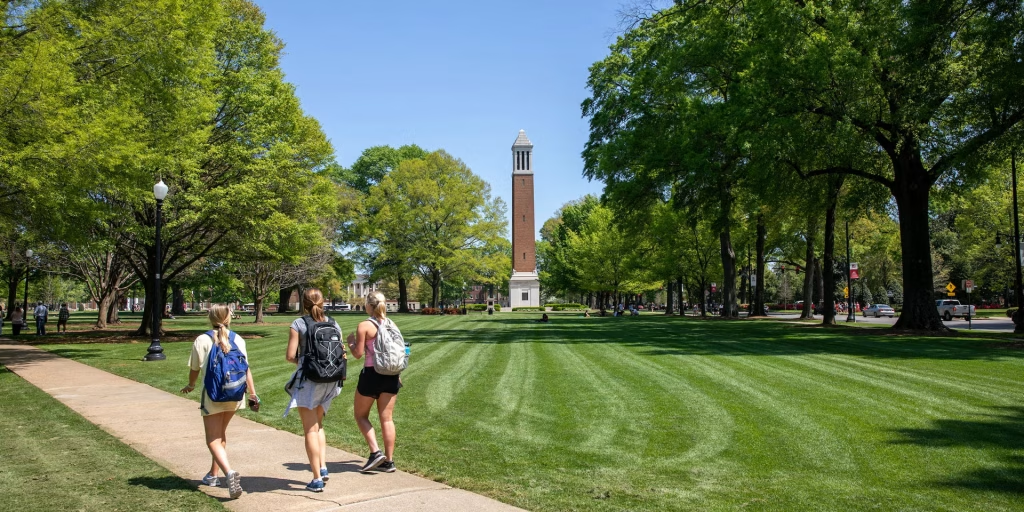
Among Alabama communities, Mountain Brook ranked highest at No. 62 nationally. Researchers described the Birmingham suburb as a place where healthy habits feel naturally woven into daily life through walkable village centers, parks, trails, and other outdoor spaces that residents regularly use.
Homewood ranked No. 121 nationally and was recognized for its active outdoor culture centered around the Shades Creek Greenway and a network of parks that make walking, running, and spending time outdoors feel like part of an everyday routine rather than a scheduled activity.
Just outside Huntsville, Madison ranked No. 122 nationally. The survey pointed to the city’s growing system of greenways and open spaces, along with its strong sense of community, as factors that help residents maintain healthier and more consistent routines over time.
The survey also offered insight into how Americans increasingly think about aging and longevity.
Respondents overwhelmingly connected long life with lifestyle rather than luck. Daily habits such as diet and exercise ranked as the most important factor in reaching age 100, followed closely by stress levels and environment. Only 4% of respondents said luck played the biggest role in longevity.
When asked what makes them feel most confident about living longer, respondents pointed to low-stress lifestyles, regular physical activity, healthy food options, work-life balance, access to nature, and strong community connections.
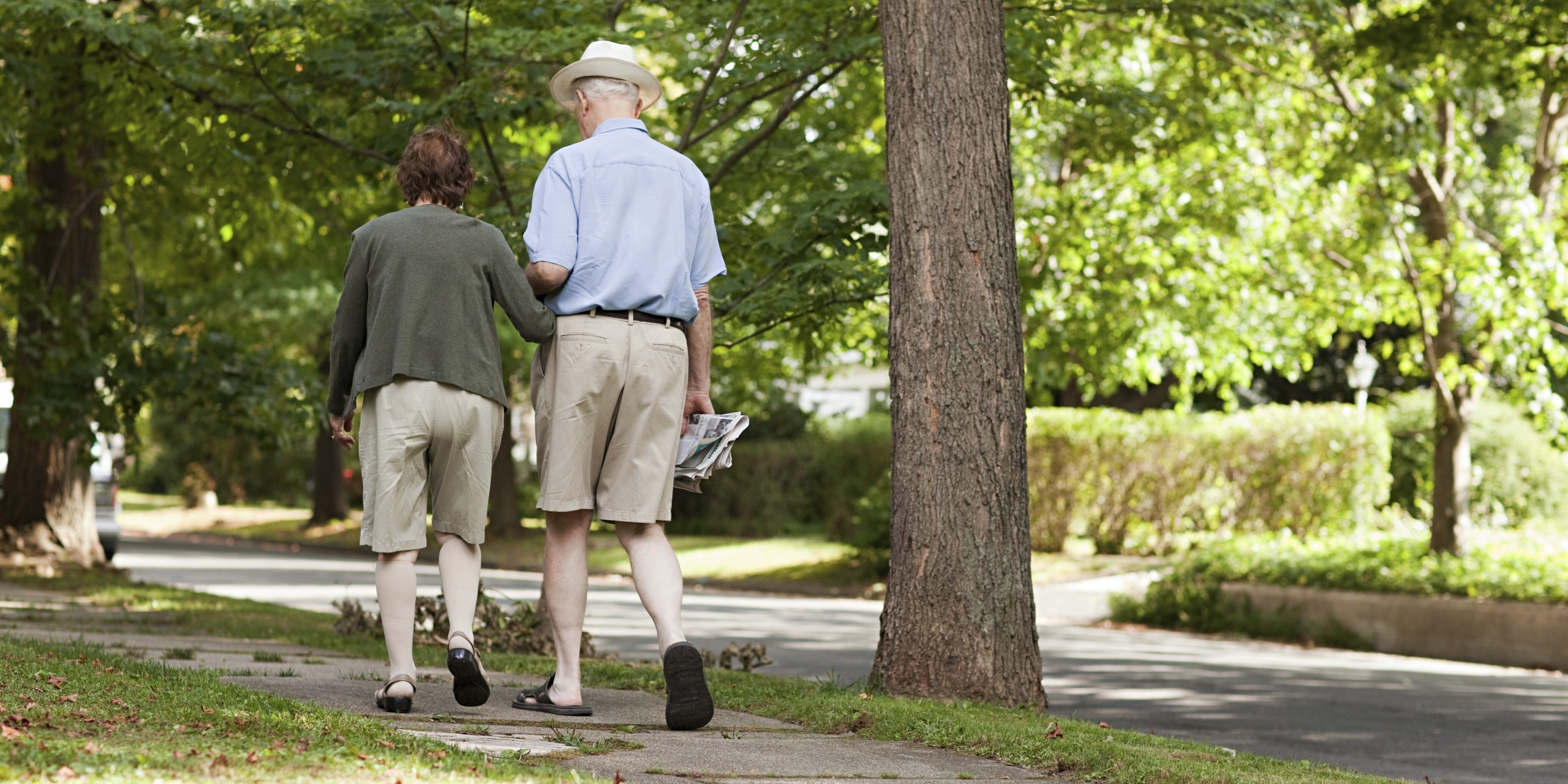
Researchers also found that nearly half of respondents said they do something every day they believe improves their chances of living longer, whether through exercise, walking, eating healthier foods, reducing stress, or spending time outdoors.
“A lot of longevity research focuses on what people do — diet, exercise, environment,” said Anand Meta, executive director of AMFM. “What this study highlights is how people think. Feeling in control of your health, staying optimistic about the future, and believing your daily habits matter can be just as powerful.”
Can thinking you will live longer actually help make it happen?
The survey does not make that claim directly, but researchers said many respondents linked optimism, daily routines, and lower stress to how they view their long-term health and future.
While the survey does not determine which communities actually produce the longest lives, it offers insight into the kinds of places where residents feel most hopeful, connected, and optimistic about the future.
Sherri Blevins is a staff writer for Yellowhammer News. You may contact her at [email protected].