The price of oil has had more ups and downs than a roller coaster since the start of the Iran conflict. The turbulence results from parties coming together to determine what to expect for the most important commodity.
Markets combine supply and demand. On the supply side, oil companies are among the world’s largest and most sophisticated companies. The demand side includes businesses like airlines and chemical companies in addition to drivers. The buyers and sellers act in self-interest. The market also supports forward contracts and options.
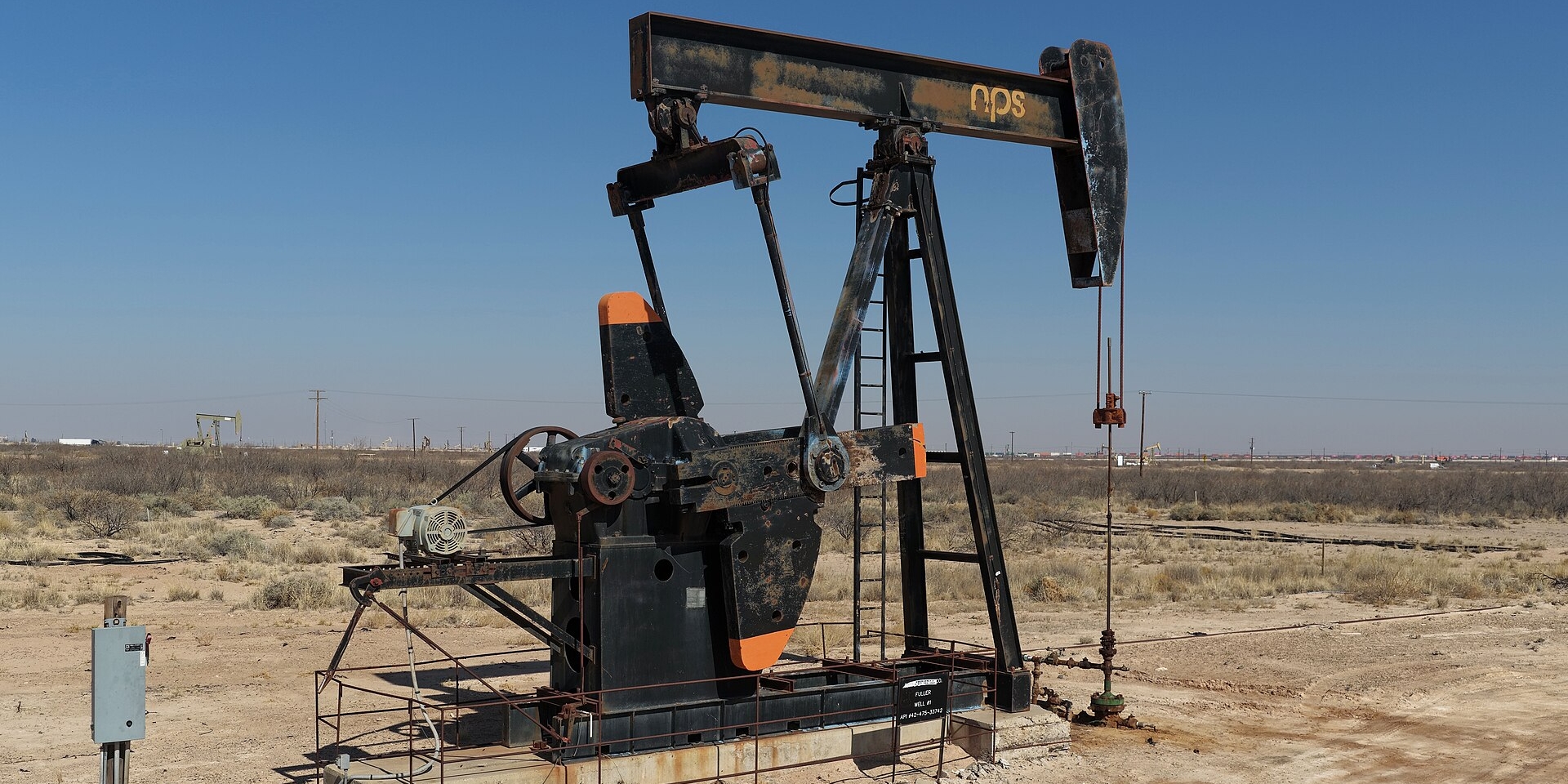
Around six thousand products in our modern economy are made from oil. Consumption was about 80 million barrels a day prior to the Iran conflict. Eighteen countries produced at least one million barrels per day in January 2026 and almost 100 produce some oil. The ten top producing countries, led by the United States, produce about 70 percent of output.
Differences in oil create sub-markets within the global market. The two major variants are heavy oil and light or “sweet” oil. The two oil prices quoted in the news, Brent and West Texas Intermediate, are heavy and sweet respectively.
Middle East supply has greater impact on the Brent price. Brent was $60 a barrel in January and rose above $100 on four occasions since then. The year’s high was $118 in late April but was at $72 in early July. It stands at $94 just after Labor Day.
Economists classify oil as a nonrenewable, storable resource. Nature does not replenish reserves on a relevant time scale. Storability links prices today and tomorrow, including contracts for future delivery.
We have heard for decades that only 30 or 40 years of oil reserves remain, and yet we have not run out. Energy economist M.A. Adelman observed that the expenditure needed to “prove” reserves would not be made too far in advance of expected use. When proven reserves get too large, exploration drops off, letting reserves decline.
Let’s consider what information oil markets are currently processing. The most prominent supply factor prior to the conflict was probably hydraulic fracturing and horizontal drilling enabling access to huge quantities of oil. Fracturing increased the supply of natural gas even more. These technologies have not yet been employed everywhere.
Climate change catastrophism and the push for net zero have reduced supply, increasing oil and energy prices. The Institute for Energy Research documented documented 250 Biden Administration cost increasing energy measures. The possibility of government ending oil use reduced the expected return on exploration and development.
The energy requirements of artificial Intelligence and data centers have quelled climate catastrophism. Elected officials could not ban gas-powered cars while big tech power data centers with fossil fuels while banning gas-powered vehicles. Financial institutions now foresee profit from building AI infrastructure instead of wind turbines and solar panels.
Decapitation of the Maduro regime in Venezuela opens the possibility of renewed investment in the world’s largest oil reserves. Oil output in Venezuela collapsed under socialism, with sanctions choking off investment and new technology. Reintegrating Venezuela into the world market could significantly expand supply.
Let’s turn now to the Iran conflict. While disruption of oil shipments through the Strait of Hormuz is temporary, a lack of storage has shut down many wells. Wells idle for too long face permanent damage from sand intrusion. And the conflict could still destroy regional production assets.
Yet the Iranian regime faces enormous economic pressure and could collapse if Islamic Revolutionary Guard soldiers are not paid. Liberation could let Iran could rejoin the world market.
Figuring out what to expect requires expertise in fields ranging from petroleum engineering to international relations. The oil market processes this information through speculation. Investors who think prices today are too high can buy oil or options to buy; those who think the price is too high can sell oil short.
Any investor with money can take part but will lose their money if wrong. The buying and selling allows oil-using businesses lock in future prices. And higher prices today provide some cushion against conflict escalation.
Americans like cheap gas. But gas does not magically appear at the local station. The interplay of market forces accomplishes the work in the face of real-world events. The profit motive delivers more consistent and reliable supply than government controls.
Daniel Sutter is the Charles G. Koch Professor of Economics at Troy University. The opinions expressed in this column are the author’s and do not necessarily reflect the views of Troy University.