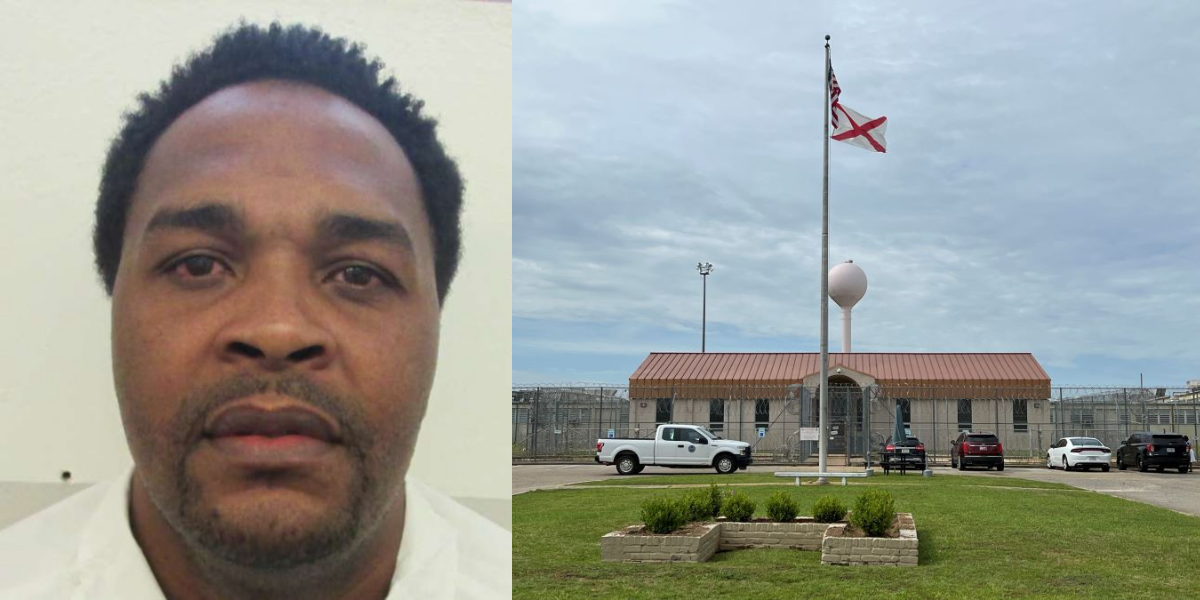
Jeffery Lee is scheduled to be executed in Alabama on June 11, 2026 — even though the jury in his case voted for life in prison. He is one of roughly thirty people still living under the shadow of a practice our state has already rejected: judicial override.
For decades, Alabama allowed judges to disregard a jury’s recommendation of life in prison and impose a death sentence instead. Every state in the nation has abandoned this practice, including Alabama, last on the list to repeal it. But Alabama’s Legislature left one cruel caveat: the repeal was not made retroactive.
That single omission now determines whether Jeffery Lee lives or dies.
I am not asking for a pardon. I am not arguing against capital punishment itself. And I am certainly not ignoring what happened to the victims or the pain endured by their families. I am simply asking Alabama to honor the decision of the jury in this one case — where ordinary citizens weighed the facts, listened to the testimony, and spoke for the conscience of their communities.
Juries often find compelling reasons for mercy in capital cases: intellectual disability, mental illness, addiction, or histories of profound childhood trauma. Many defendants show remorse, undergo transformation, and become mentors to fellow prisoners, sources of stability to their families, and even encouragement to correctional staff.
This is the story of Jeffery Lee. Please watch the documentary Life for Jeffery Lee: A Story of Justice, Mercy, Redemption at LIFEFORJEFFERYLEE.COM
There is an irony at the heart of this case. Jeffery’s court-appointed attorney was not trained to defend capital cases and did not present the jury with the full picture of Jeffery’s childhood trauma — and the jury still voted for life in prison.
The state has a solemn duty to uphold justice and protect the public, but Jeffery and others trapped in this judicial nightmare have already lived years — even decades — in a living hell. Unlike people serving life in the general prison population, who have access to programs and human contact, Jeffery and others on death row are locked in an isolated cell 24 hours a day, except for several times a week when they are handcuffed and taken to a place where they can shower or exercise in a caged area.
The state also had a responsibility to Jeffery when he was a little boy. He was raised in poverty, the victim himself of family violence, and lacked opportunities for education and healthcare that most of us take for granted. If the state was not there for him then, perhaps it can be now.
As someone who has served as a chaplain in both correctional and military settings, I have seen how institutions can place heavy moral burdens on the people who serve within them. Even for officers who never speak publicly, carrying out death sentences a jury did not support is a heavy weight to bear. They, too, are caught in the moral contradictions created by judicial override.
Nothing good will come from executing Jeffery. Nothing.
Alabama has already rejected judicial override. Now it must finish the work and let the jury’s word stand. Give Jeffery Lee that chance and commute his sentence from execution to life without parole.
Retired Brigadier General Carlton Fisher served as a dual-career chaplain in the U.S. Army Reserve and Federal Bureau of Prison, earning three Bronze Stars for his service during combat deployments to Afghanistan and Iraq. A long-time Alabama resident, Fisher holds a Doctor of Ministry degree and is a graduate of the Air War College at Maxwell Air Force Base. He has spent a lifetime counseling people through trauma, moral injury, and the search for redemption.