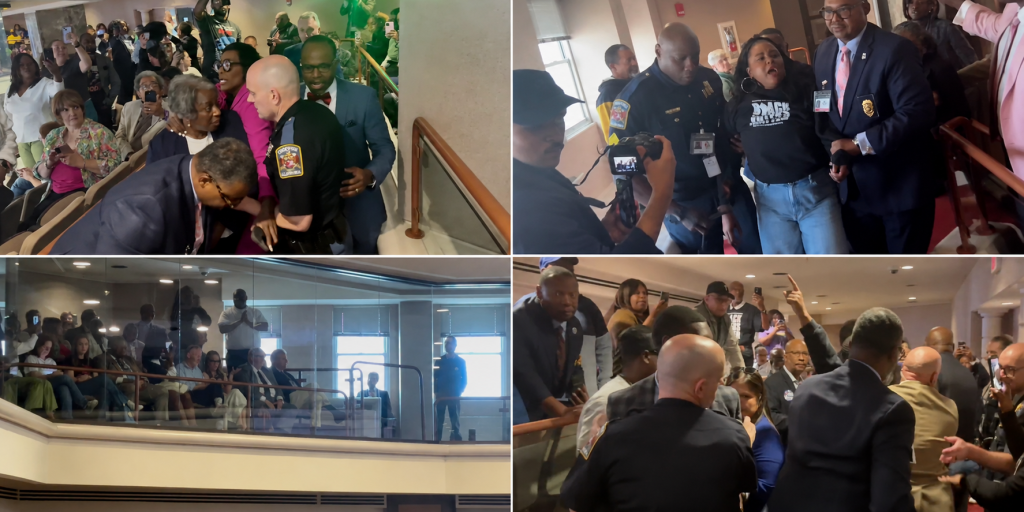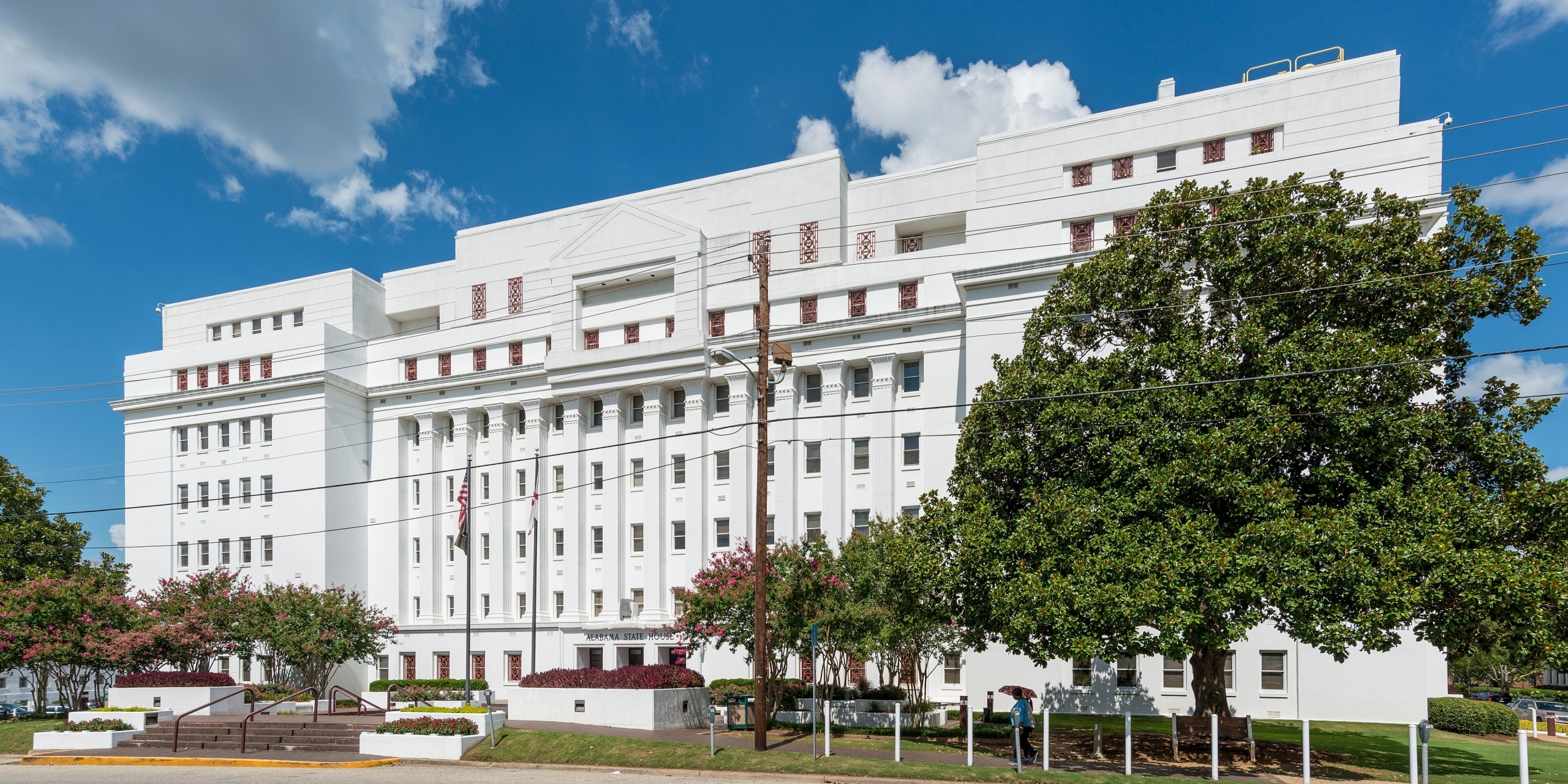
As the Alabama Legislature convened Monday for another special session, it marks the tenth time in the past decade that a governor has called lawmakers back to Montgomery outside the regular calendar.
Here’s a look at what brought them back each time.
2015: General Fund budget crisis
Governor Robert Bentley called lawmakers back after vetoing a cut-heavy General Fund budget that would have slashed roughly $200 million from state agencies. The rainy day borrowing from the Alabama Trust Fund that had propped up state government since 2012 had finally run dry. Bentley proposed a $310 million tax increase package. Legislative leaders recessed for three weeks and then resurrected the same budget he had already vetoed. Nothing passed.
2015: Budget, take two
With the fiscal year starting October 1 and still no budget, Bentley called a second session. Lawmakers hammered out a patchwork compromise that averted a government shutdown but fell well short of the structural revenue fix Bentley had pushed for.
2016 — Medicaid funding and the lottery
Medicaid faced an $85 million shortfall. Bentley called lawmakers back and pushed a lottery bill that would have sent $100 million annually to Medicaid. The Senate passed it 21-12, but the House couldn’t get there. The fallback was a $640 million bond issue backed by Alabama’s BP Deepwater Horizon settlement, which kept Medicaid funded for two more fiscal years. The lottery died again.
2019 — Rebuild Alabama gas tax
Ivey called a special session the day after her State of the State address to pass a 10-cent gas tax increase, the state’s first in 27 years. The three-bill package passed quickly.
2021 — First Special Session: Prison construction
Facing a federal DOJ lawsuit over unconstitutional prison conditions, Ivey called lawmakers back to authorize a $1.3 billion prison construction plan funded by state bonds, General Fund dollars, and $400 million in federal COVID relief money.
2021 — Second Special Session: Post-census redistricting
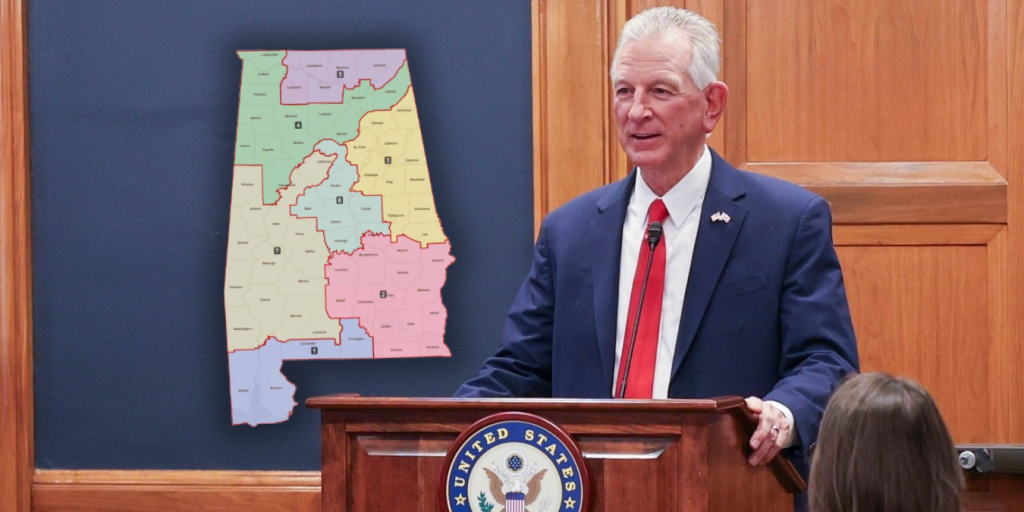
Delayed census data pushed redistricting into a special session. Lawmakers drew new congressional, state legislative, and school board maps in five days. The congressional map was immediately challenged as a Voting Rights Act violation, launching the Allen v. Milligan litigation that continues today.
2022 — ARPA funds, first tranche
Ivey called lawmakers back to appropriate $772 million in remaining federal relief funds. The session produced over $276 million for broadband expansion, plus major investments in water and sewer infrastructure.
2023 — First Special Session: ARPA funds, second tranche
Another $1.06 billion in federal funds needed appropriation. Ivey used the same tactic as 2019: State of the State one day, special session the next. The money went to healthcare, broadband, infrastructure, and repaying the final $60 million owed to the Alabama Trust Fund from the Bentley-era borrowing.
2023 — Second Special Session: Court-ordered redistricting
After the Supreme Court ruled in Allen v. Milligan that Alabama’s map likely violated the Voting Rights Act, the Legislature drew new maps that a federal court rejected as non-compliant. A court-appointed special master drew the maps used in the 2024 elections instead.
2026 — Redistricting, again
Monday’s session follows the Supreme Court’s decision in Louisiana v. Callais. The Legislature will prepare contingency maps and special primary election procedures in case the court lifts the injunction blocking Alabama from redrawing its districts before 2030.
The pattern
Three distinct forces have driven Alabama’s special sessions over the past decade. The Bentley-era sessions were born from a structural budget collapse the Legislature couldn’t or wouldn’t fix through new revenue.
The Ivey-era spending sessions used tightly controlled special sessions to move high-dollar legislation quickly with minimal floor debate.
And the redistricting sessions have been driven by court deadlines and Supreme Court decisions, with the Legislature’s maps rejected or overridden in two or three attempts.
Sawyer Knowles is a capitol reporter for Yellowhammer News. You may contact him at [email protected].