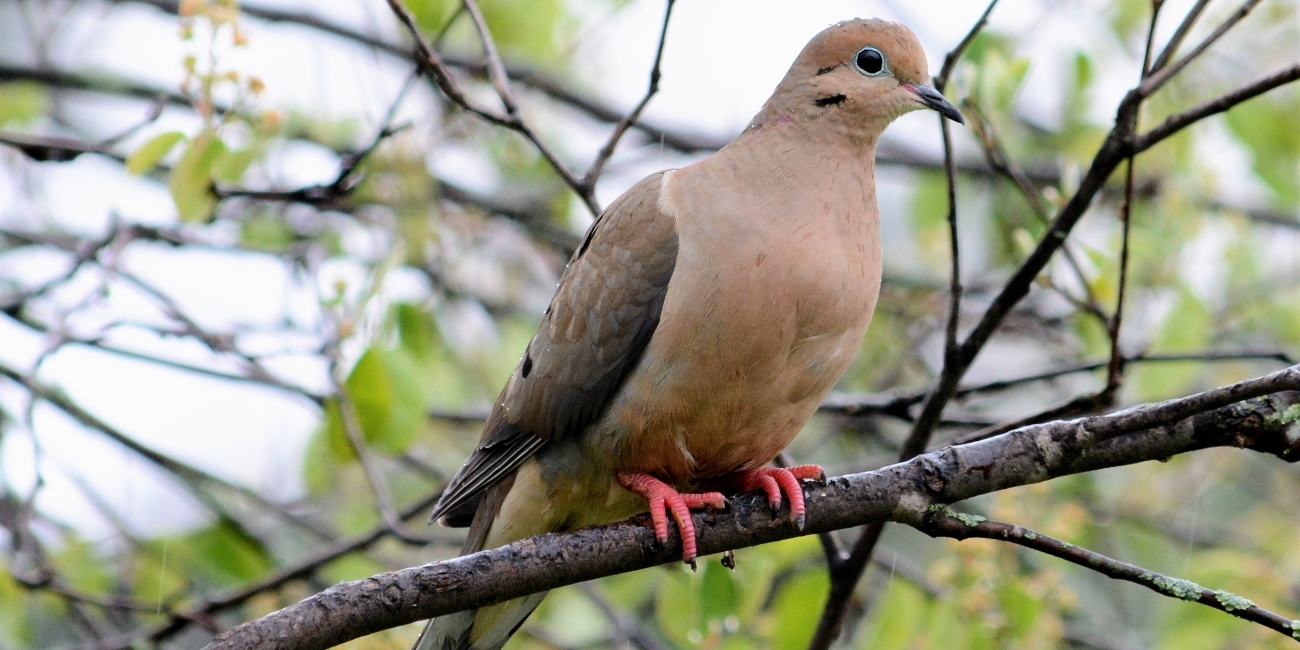
Deer hunting often means quietly waiting in a stand, but dove hunting has a different feel.
With dove season underway across Alabama, hunters are heading back to fields that have long been gathering places for family and friends, where the time spent together can be as much a part of the day as the hunt itself. The Alabama Department of Conservation and Natural Resources describes dove hunting as a highly social event, with multiple hunters often sharing the same field.
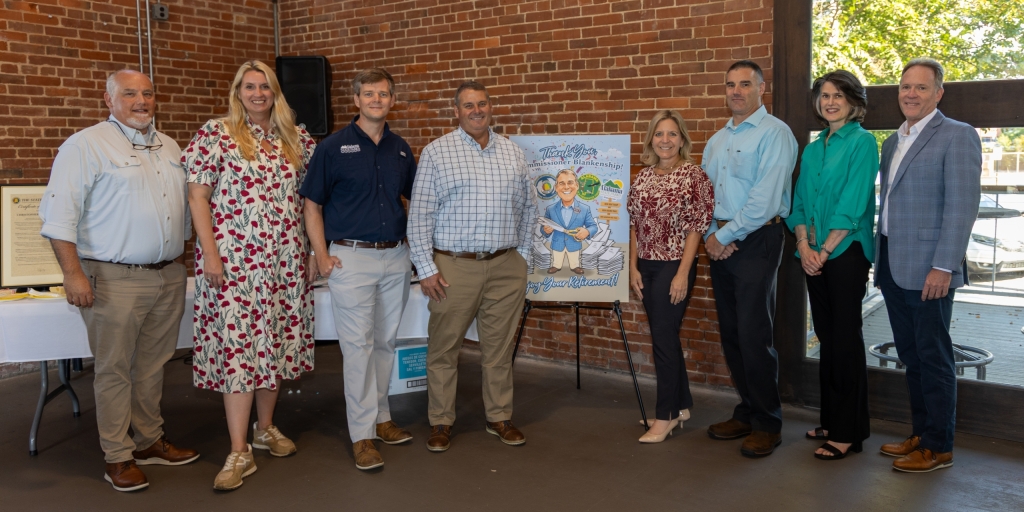
That social side of the tradition will be easy to find later this month when the Young Republicans of DeKalb County gather at Ivey Farm in Henagar for their fourth annual dove hunt, with a Lowcountry shrimp boil and all the fixings also on the menu.
Alabama’s 2026-27 mourning and white-winged dove season opened Sept. 5 in the North Zone and Sept. 12 in the South Zone. Both zones are now in their first all-day segment, with shooting allowed from one-half hour before sunrise until sunset.
The state divides dove season into two zones. The North Zone includes all counties except the nine that make up the South Zone: Baldwin, Coffee, Covington, Dale, Escambia, Geneva, Henry, Houston and Mobile counties.
In the North Zone, the first all-day segment continues through Oct. 18. The season returns Nov. 21-29 and Dec. 12-Jan. 17, with shooting allowed from one-half hour before sunrise until sunset.
South Zone hunters have a little longer during the first segment, which continues through Oct. 25. The season then returns Nov. 21-29 and Dec. 12-Jan. 17, with the same shooting hours.
No matter which zone they hunt, the daily bag limit is 15 doves.
Hunters also need to make sure they have the proper license and certification before heading to the field. Alabama requires dove hunters to have an All Game or Small Game Hunting License unless exempt, along with free Harvest Information Program certification.
Hunters using a Wildlife Management Area also need a free map permit, while nonresidents hunting on a WMA need a WMA license.
The Harvest Information Program, commonly known as HIP, is required for dove hunters and others who hunt migratory birds. The program helps state wildlife agencies and the U.S. Fish and Wildlife Service estimate how many migratory birds are harvested and use that information when making decisions about seasons, bag limits and population management.
Where hunters set up also matters.
ADCNR says doves may legally be hunted on or over areas where seeds or grains have been scattered as the result of normal agricultural operations, including normal harvesting and post-harvest practices. Hunting is also permitted over standing crops, properly planted wildlife food plots and standing or manipulated natural vegetation, among other circumstances.
Hunters can find complete season dates, shooting hours, license information and other dove hunting regulations through Outdoor Alabama.
Sherri Blevins is a staff writer for Yellowhammer News. You may contact her at [email protected].