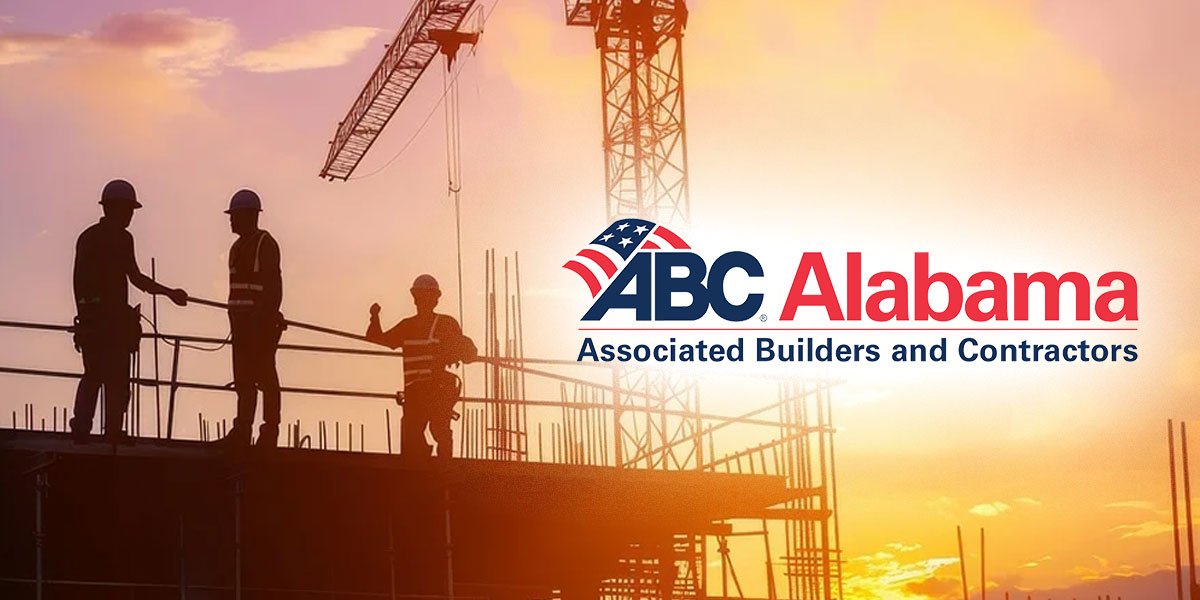
In Alabama, commercial construction accounts for more than 6% of the state’s GDP and creates tens of thousands of jobs. This robust industry is the engine powering Alabama’s growth, expansion and success across all sectors from healthcare and transportation to multifamily homes.
However, a recent decline in the construction workforce has resulted in a labor shortage for the next three to five years, spurred by Biden-era inflation combined with an aging and retiring workforce.
These circumstances have increased construction costs, prolonging work periods, and disrupting workforces across our state and the entire country, as witnessed by the Associated Builders and Contractors (ABC).
With stunted labor, the country will continue to see increased housing prices and a shortage of competent workers and contractors. The overall cost of business will also climb due to these factors, impacting the entire network of commercial development projects.
Alabama has partnered with the U.S. Department of Labor to mitigate these issues. Through accessible apprenticeship programs, Alabama students have the opportunity to learn skilled labor firsthand, offering an attractive, sustainable replacement to four-year degrees. These programs often allow apprentices to earn while they learn, before they are even working full-time.
The labor shortage in Alabama is not an isolated problem. ABC estimated that the commercial construction industry needs roughly 500,000 additional workers beyond normal hiring in a single year to keep pace with projects.
As major investments in infrastructure, manufacturing facilities and housing continue across the country, a demand for skilled labor is rising faster than the supply of trained workers. Apprenticeship programs that help fill the labor shortage will provide the next generation of students with an integral role in expanding affordability across the state, giving families homes at affordable rates while driving the economy.
The workforce shortage is also illustrated in the housing market. In fast-growing communities across the state, large residential developments, meant to create hundreds of new family homes, depend on skilled labor to maintain commercial construction schedules. According to the National Association of Home Builders, labor shortages are a leading factor driving construction delays and increasing housing prices nationwide.
In fast-growing cities such as Huntsville, where nearly 5,000 new housing units were added in 2025 alone, a strong construction workforce is essential to meeting the demand for new family homes and keeping housing affordable for Alabama families.
Similarly, the National Association of Home Builders (NAHB) has consistently reported that residential projects are experiencing delays. In their 10-step plan to solve the housing crisis, promoting careers in the skilled trades is number two.
Thankfully, some elected officials, like Attorney General Steve Marshall, who is running to replace Tommy Tuberville in the U.S. Senate, have made clear this issue is a top priority. When the Associated Builders and Contractors announced their endorsement, Marshall poignantly explained, “These are the men and women who wake up early, work with their hands and build
this country from the ground up.”
Continued leadership from elected officials like Steve Marshall, who understand the dignity of our kind of work, will ensure more Alabamians find reliable and rewarding opportunities for decades to come.
With $12.5 million in funding from the Department of Labor, Alabama has invested in local apprenticeship programs. As they become increasingly popular, these programs can offset the weakened employment market and offer students a straightforward path to high-paying jobs.
Ultimately, Alabama and states across the country need lawmakers who support the commercial construction industry and are willing to stand with our organizations and workers. Construction touches the lives of everyone, from families looking to purchase their first home to office workers in big cities and small business owners.
Candidates such as Steve Marshall are aligned with our values and recognize the imperative need for a revitalization in our industry. With support from state and federal levels, our industry will continue to take Alabama – and the United States of America – to new heights.
Todd Walker is the Vice President of Associated Builders and Contractors in Alabama.