Tuskegee University has filed a federal lawsuit and an emergency motion seeking to block the American Veterinary Medical Association from moving forward with an appeal hearing that could determine the future of its College of Veterinary Medicine, the nation’s only historically black veterinary school.
The two filings, a complaint and a time-sensitive motion for preliminary injunction, accuse the AVMA and its Council on Education of violating due-process requirements and failing to follow their own rules during an ongoing accreditation review.
“Tuskegee University respectfully requests that the Court enjoin the AVMA from conducting an appeal hearing under procedures that deny Tuskegee a fair opportunity to present evidence and witnesses,” the motion states.
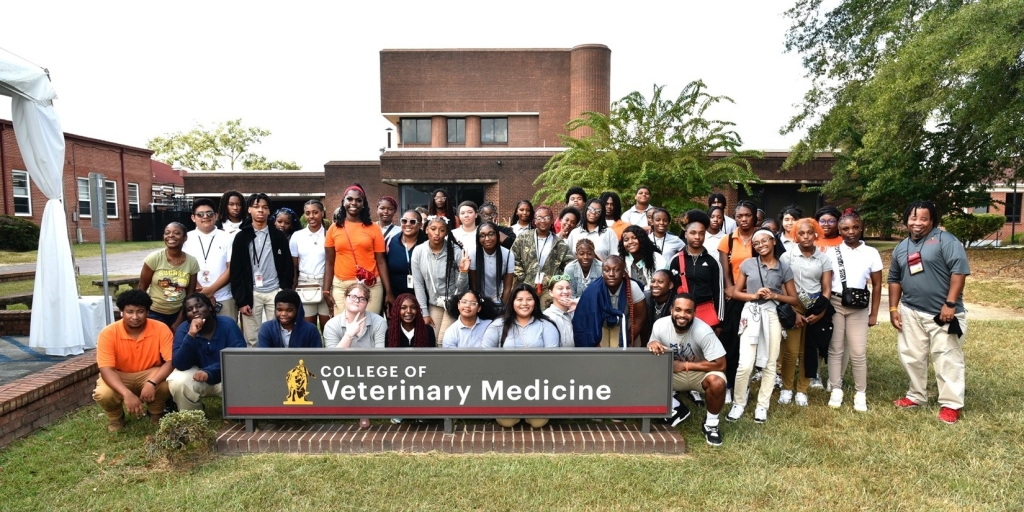
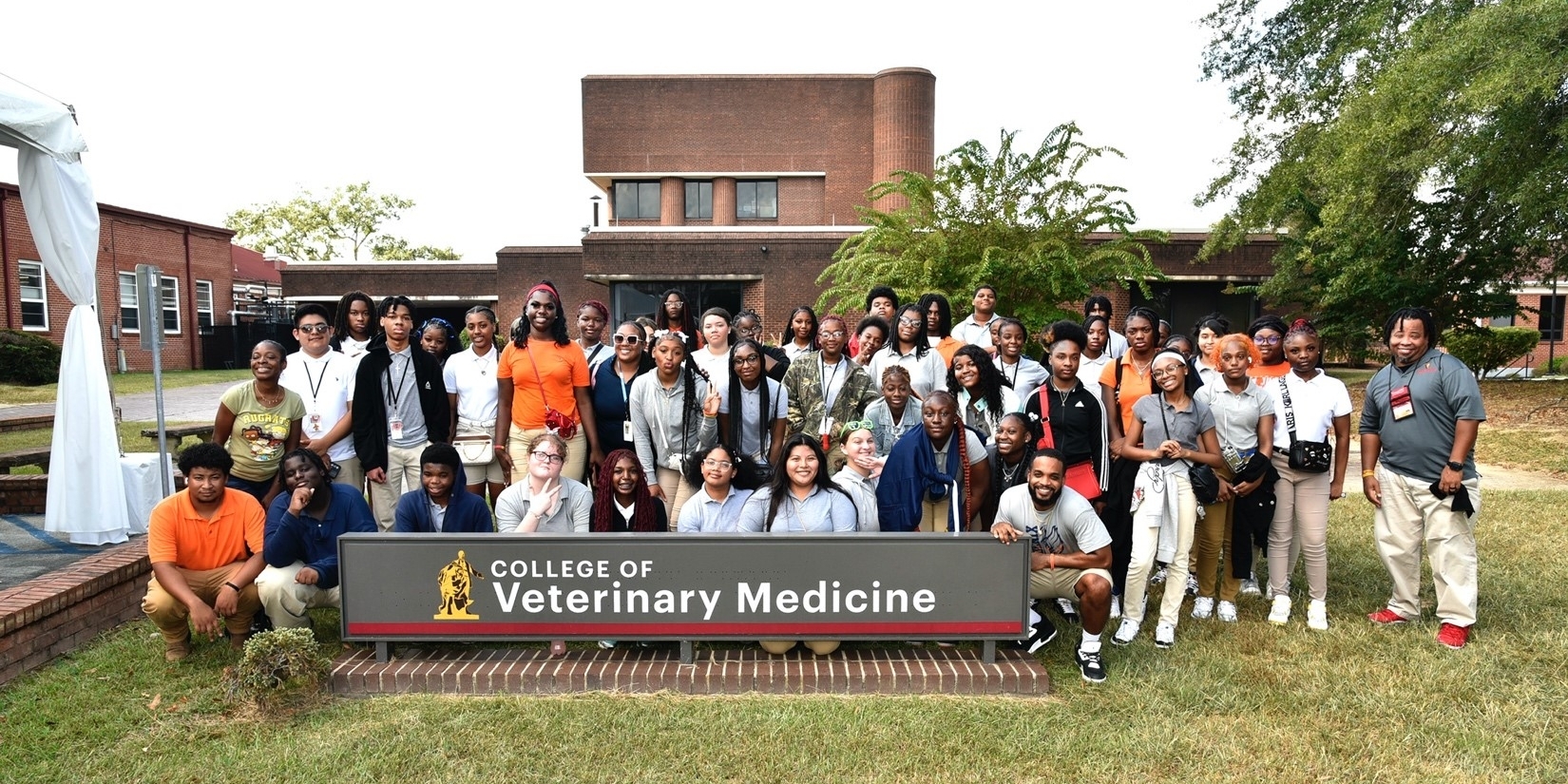
Tuskegee’s College of Veterinary Medicine, founded in 1945 by Dr. Frederick Douglass Patterson, produces more than 70% of the nation’s Black veterinarians and is recognized as the most diverse college of veterinary medicine in the U.S.
The filings state that losing accreditation would jeopardize the university’s ability to operate the program, eliminate access to federal student-aid funding, and cause long-term reputational harm.
According to official AVMA COE reports, the college has been under Probationary Accreditation since 2022.
In the motion for preliminary injunction, counsel states the findings were due to what the council described as major deficiencies in Standard 2 (Finances), Standard 4 (Clinical Resources), and Standard 11 (Outcomes Assessment).
These findings, reaffirmed in the 2024 accreditation action report, required Tuskegee to demonstrate corrective progress within a two-year period.
The lawsuit argues that the AVMA applied its standards inconsistently and conducted its review in a manner that deviated from its own established procedures, violating the university’s right to a fair process.
“When Purdue University faced comparable facility challenges, the AVMA COE did not demand financial documentation before approving extensions,” the complaint asserts, “but Tuskegee’s verified commitments from its Board, President, and financial institution were rejected as insufficient.”
In its emergency motion, Tuskegee outlines four primary violations of procedural fairness in the AVMA’s handling of its appeal:
- Blocking testimony from expert witnesses — including Dr. Willie Reed, dean of Purdue’s veterinary college, and Dr. James Lloyd, former dean of the University of Florida and Michigan State University.
- Refusing to release internal AVMA records related to the accreditation decision.
- Barring Tuskegee from introducing evidence about unequal treatment compared with other institutions.
- Restricting the hearing to two-and-a-half hours, covering all witness testimony, exhibits, and rebuttals.
Tuskegee contends these restrictions violate the AVMA’s own Section 2.5.4 policy, which guarantees institutions “the right to present witnesses and documents pertinent to the case.”
The Time-Sensitive Motion asks the court to issue an injunction before December 4, one day before the scheduled AVMA hearing, to preserve the university’s rights and maintain the status quo until the case is fully heard.
The motion warns that proceeding under the AVMA’s current procedures would cause “immediate and irreparable harm,” including reputational damage, loss of student recruitment, and potential closure of the program.
“The harm to Tuskegee University — a unique and historic institution serving underrepresented communities — outweighs any inconvenience to the AVMA,” the motion states.
Tuskegee University issued a statement following the legal filings saying the institution will pursue all appeals options.
“In 2021, the American Veterinary Medical Association (AVMA) visited our campus and identified deficiencies that Tuskegee proactively addressed, eventually demonstrating full compliance with accreditation standards. The AVMA has not returned to our campus since 2021, and accreditors refuse to recognize substantial evidence of our strong financial health, extensive clinical resources, and significant improvements in licensing exam assessments.”
Tuskegee’s filings ask the federal court to:
- Stop the AVMA from holding the Dec. 5 hearing until a fair process is guaranteed,
- Compel the AVMA to allow full witness testimony and document access, and
- Grant other relief necessary to ensure procedural integrity.
If the injunction is granted, the case would proceed to determine whether the AVMA’s accreditation process violated federal due-process standards and the Higher Education Act.
“The integrity of the nation’s only historically Black veterinary college — and the progress it represents in diversifying the veterinary profession — hangs in the balance,” the complaint concludes.
As Tuskegee navigates the appeals process all College of Veterinary Medicine academic programming, clinical training, and support services will proceed as planned.
- All current veterinary students can complete degrees
- Veterinary students will remain fully enrolled, and their degree path is unchanged
- Eligibility for licensure, internships, and residencies is not affected
Sherri Blevins is a staff writer for Yellowhammer News. You may contact her at [email protected].