A country being disrupted through its agricultural system isn’t the plot of a dystopian movie. It’s the potential reality we currently face.
The risk of widespread food shortages, bioterrorism operations targeting U.S. farmland, or espionage efforts aimed at military installations could spell disaster.
Nevertheless, tens of millions of acres of American land are currently owned by foreigners with zero allegiance to our nation.
The Trump Administration, understanding these vulnerabilities, has taken concerted efforts to insulate our nation from such grave threats at a time of rising great power competition.
Last Wednesday, Secretary Brooke Rollins, head of the Department of Agriculture, signed a Memorandum of Understanding with Secretary of War Pete Hegseth, to further implement the National Farm Security Action Plan, announced in July 2025.
This welcome relief for American farmers and national security experts illustrates a renewed dedication to the agriculture industry, protecting our land and citizens from ag-terrorism or bioterrorism inflicted by adversaries.
As Secretary Hegseth noted Wednesday, “shortly after 9/11, U.S. forces in Afghanistan uncovered Al-Qaida training manuals that specifically targeted America’s agriculture for attack…we’re not dealing with hypotheticals here.”
As of December 2024, nearly 46 million acres of U.S. agricultural land are owned by foreign entities, encompassing 3.6% of all privately held agricultural land and 2% of total U.S. land.
More than one million acres of farmland are owned by foreign entities in Alabama alone. Alabama leaders understood this issue before many took notice, passing laws in recent years that restricted or reviewed land purchases by entities linked to China, Russia, Iran, and North Korea.
The laws do not automatically force the sale of existing ownerships, but they tighten future acquisitions and state oversight. Elected officials around the country can learn from these initiatives as states continue to grapple with this issue.
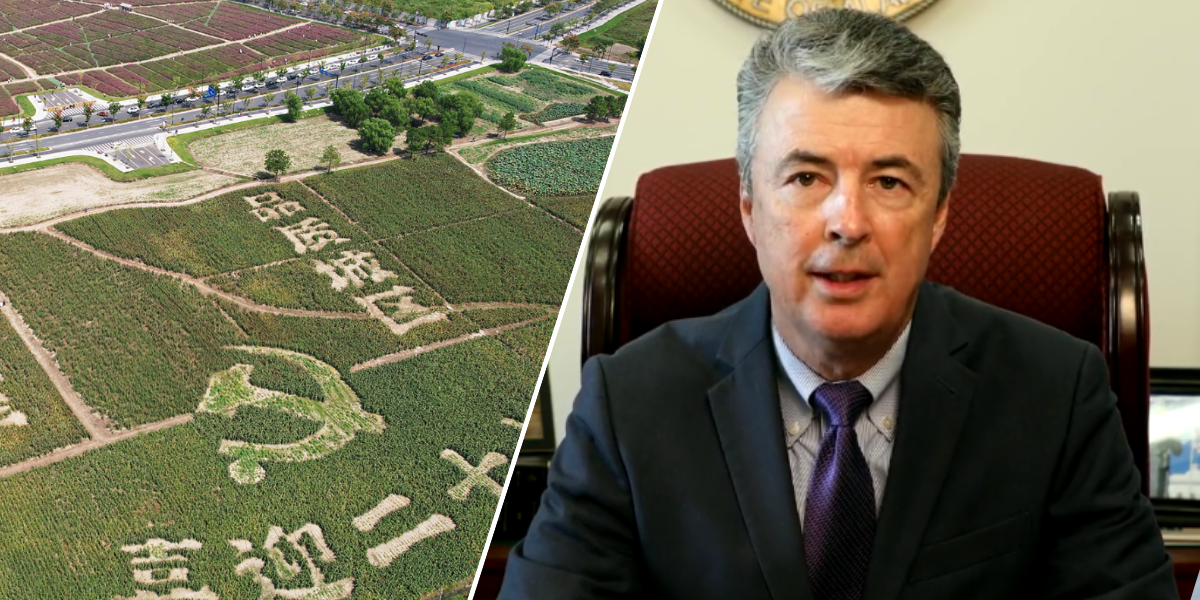
A 2023 Wall Street Journal exposé documented Chinese intruders trying to breach military facilities more than 100 times since 2000. Under the guise of farming, foreign agents have installed reconnaissance sites near military bases that surveil troop movements.
Lawmakers have a responsibility to protect land from abuse since 85% of America’s food and beverage is produced domestically. But meaningful change has been lackluster despite such attention.
I’m proud to have the endorsement of the Alabama Farmers Federation who knows how seriously I intend to advocate for this issue.
For too long, Congress has sat idly by as small and mid-sized operations have been squeezed out by corporate consolidation and foreign individuals have swallowed up chunks of farmland.
Alabamians, like all Americans, deserve family farms that can flourish, products that won’t be undercut by conglomerates or overseas providers, and the comfort of knowing their land is not being used to undermine U.S. national security.
Enacted in 1978, the Agricultural Foreign Investment Disclosure Act (AFIDA) hoped to address these concerns, requiring foreign persons who hold interests in agricultural land to report transactions to the Secretary of Agriculture.
The Secretary was directed to produce reports determining the effects these transactions have on family farms and rural communities. But the continued purchase of land, especially around military sites, have called into question the effectiveness of the 1978 law.
Although entities have had to report their holdings, AFIDA has not spurred background checks or investigations into potential threats. Additionally, reporting can be inconsistent since only the “primary investor” (the foreign person listed on the land title) is listed on AFIDA reporting. Therefore, countries such as China are believed to be underreported.
The NFSAP seeks to strengthen enforcement of the AFIDA, making clear that foreign-based land owners will no longer be allowed to operate unchecked. The action plan will enhance land security by identifying certain foreign ownerships as potential national security threats, increase transparency through reporting, and penalize inaccurate reporting.
Additionally, the plan seeks legislative efforts to restrict purchases by foreign adversaries and end or cancel agreements with foreign entities or researchers that are considered national security risks. Collaboration with the Department of the Treasury also ensures agricultural land sales, biotechnology deals and agriculture industry investments are screened for security risks.
Americans deserve peace of mind that the very land they walk on remains safe and is operated by those who are loyal and accountable to the United States government.
This critical infrastructure was foundational in creating the powerhouse we are today and is an essential pillar to continued American abundance and prosperity.
Foreign investors, especially those who are anti-American, should not be able to freely own and operate American farmland without oversight. The threat posed to our citizens, farmers, and state economies is too great. Under the NFSAP, these operations will be uncovered and prevented from taking root. As Senator, I will prioritize strengthening these regulations on an ongoing basis to adapt to new and emerging threats.
The 600,000 citizens of Alabama who work directly or indirectly with the agricultural industry generate over $70 billion in economic activity, providing funds that buttress healthcare, schools, law enforcement, and other public services.
Other states see similar impacts from farming. The catastrophic knock-on effects that an attack on our land would induce—not just for farmers in certain states, but for all Americans—are more than worthy of the renewed attention from the federal government.
In the words of Secretary of Agriculture, Brooke Rollins, “Farm security is national security. When our farmland is threatened, the welfare of our entire Nation is put on the line.”
This is a harsh reality, but with a pro-agriculture White House and supportive lawmakers, we can protect America’s precious farmland.
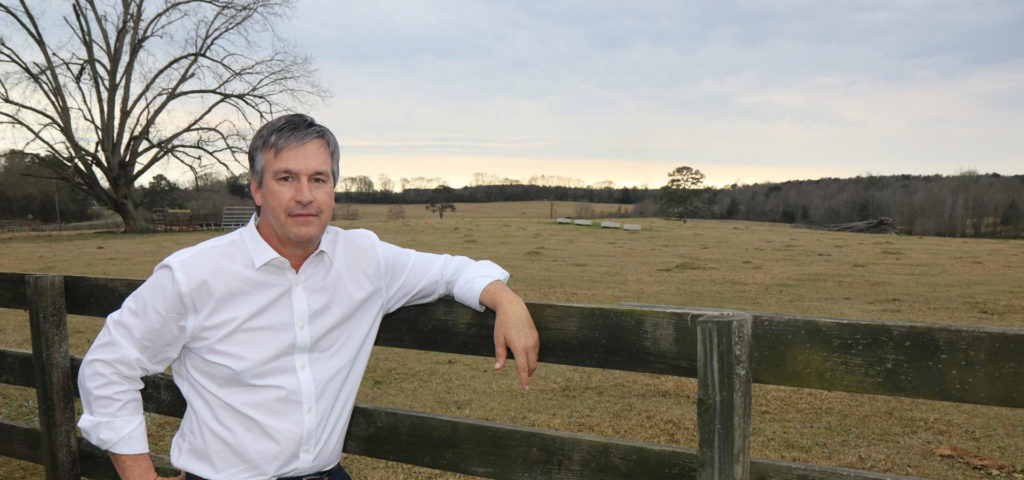
Steve Marshall has served as Alabama Attorney General since 2017 and is a Republican candidate U.S. Senate in 2026.