When Casen and Cylen enrolled in Alabama Destinations Career Academy in 2020, their family was looking for a way to navigate school during the pandemic. Six years later, they are still here. What began as a response to an extraordinary moment became an education option that works for the students they are becoming.
Casen, now a 10th grader, has developed an interest in filmmaking and is taking college courses through dual enrollment at Shelton State Community College and exploring interests in filmmaking and hospitality. His younger sister, Cylen, is in 9th grade and makes time for music, cooking, and other creative passions. Their flexible schedules have allowed Cylen to spend an afternoon with a Ritz-Carlton executive chef and to meet one-on-one with Ritz-Carlton managers to learn about hospitality and tourism.
Their father, Michael, values how the structure of the school day helps prepare them for college by teaching time management while leaving room for the things they love.
Michael and his wife, Felisa, work together to support their four children’s education. They credit both their ability to play an active role and the school’s teachers in their family’s success.
“Having that guidance and live instruction from teachers has been great,” she said.
With four children to support, she appreciates knowing they have educators they can turn to when they need help.
That is an important part of the conversation about virtual education that can get lost. Families choose virtual school for many reasons. Some need flexibility. Some are looking for a different learning environment. Others may have children whose circumstances or needs simply don’t fit neatly into a traditional school day.
As an educator for more than 20 years, I believe public education should have an answer for those families. For many, public virtual school is that answer.
That does not mean virtual school is right for every student. It isn’t. Families need to understand what online learning requires before they enroll, and what each school offers to support success: state-certified teachers, academic support options, regular feedback, and opportunities to connect with their school community.
Different Setting, Same Commitment
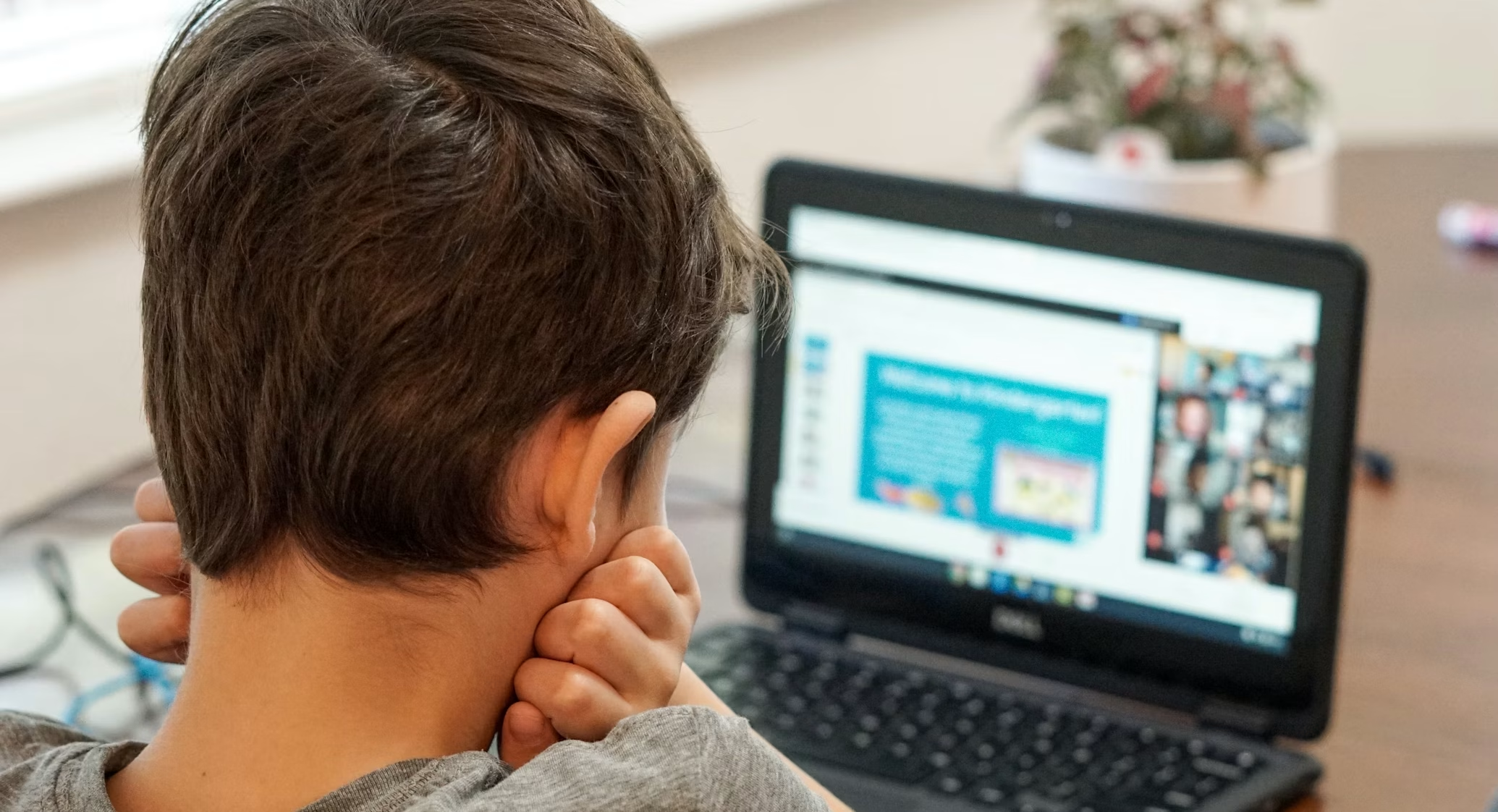
Alabama Destinations Career Academy is far more than a laptop and a login. It’s a structured public school with state-certified teachers, state-aligned curriculum, and an entire community of resources to help them thrive.
This matters because families shouldn’t have to choose between a traditional classroom that isn’t working for their child and leaving public education altogether. A strong virtual public school can offer another path while keeping students connected to public education, teachers, and academic expectations.
At Alabama Destinations Career Academy, it is our responsibility to keep asking whether students are engaged, whether they are making progress, and whether families are getting help when they need it. And we have to be honest when another educational setting may be a better fit.
For Casen and Cylen, virtual school has given them room to explore their interests while remaining part of a public school community. Their experience will not be every student’s experience. But public education does not have to look the same for every child to effectively serve them.
The question is not whether every Alabama student should learn online. It’s whether Alabama’s public schools will have an answer when a family says, “This way of learning is not working for my child.”
Dr. Kisha Tolbert, NBCT, is the executive director of Alabama Destinations Career Academy (ALDCA), a statewide K-12 public virtual school. A National Board Certified Teacher with more than 20 years of experience in education, she has held leadership roles at the local, state and national levels. She holds a Ph.D. in education with a specialization in curriculum and instruction.