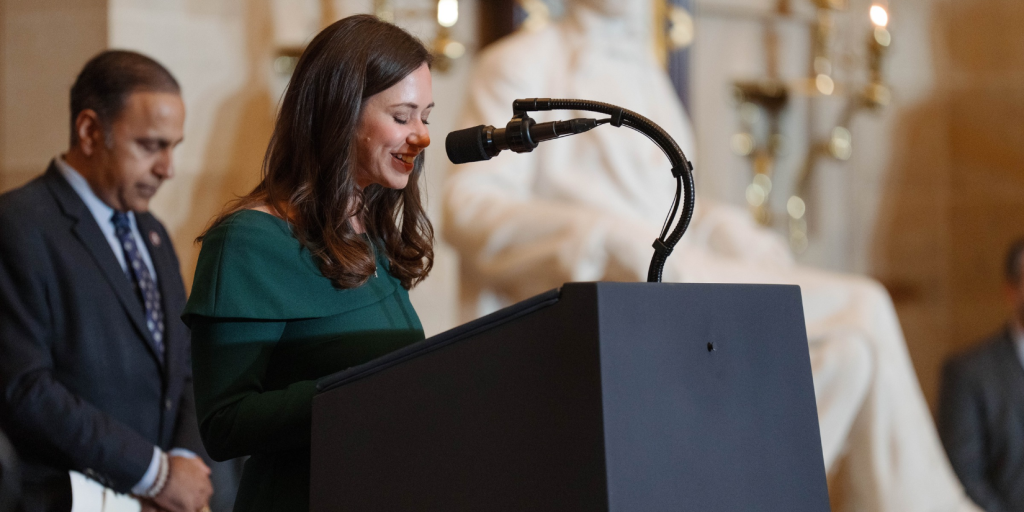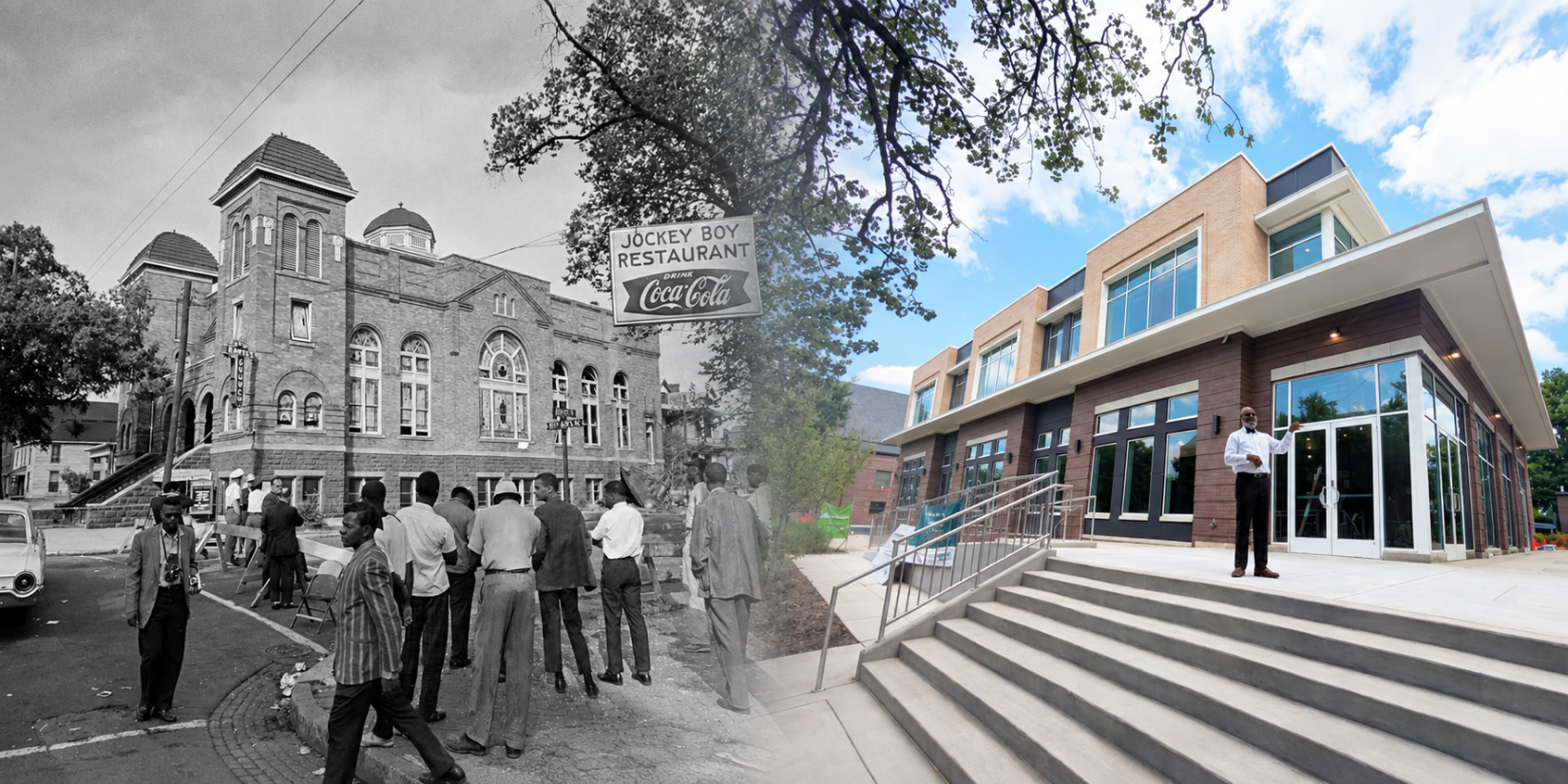
63 years after the bombing of Sixteenth Street Baptist Church killed Addie Mae Collins, Denise McNair, Carole Robertson and Cynthia Wesley, the historic Birmingham church on Tuesday held its annual memorial service and officially opened the Sixteenth Street Baptist Church Education & Visitor Center.
The morning began with the memorial service honoring the four little girls killed in the 1963 bombing. The service featured a memorial address, along with reflections from church leaders, civil rights advocates and community partners.
“September 15 is not simply a date we remember; it is a sacred moment that calls us to remember four precious lives, reflect upon the price of hatred and injustice, and re-engage with the work of building a more just and beloved community,” said Rev. Arthur Price Jr., pastor of Sixteenth Street Baptist Church. “The story of Sixteenth Street Baptist Church is not frozen in the past. It is a living story of faith, courage, sacrifice and hope.”
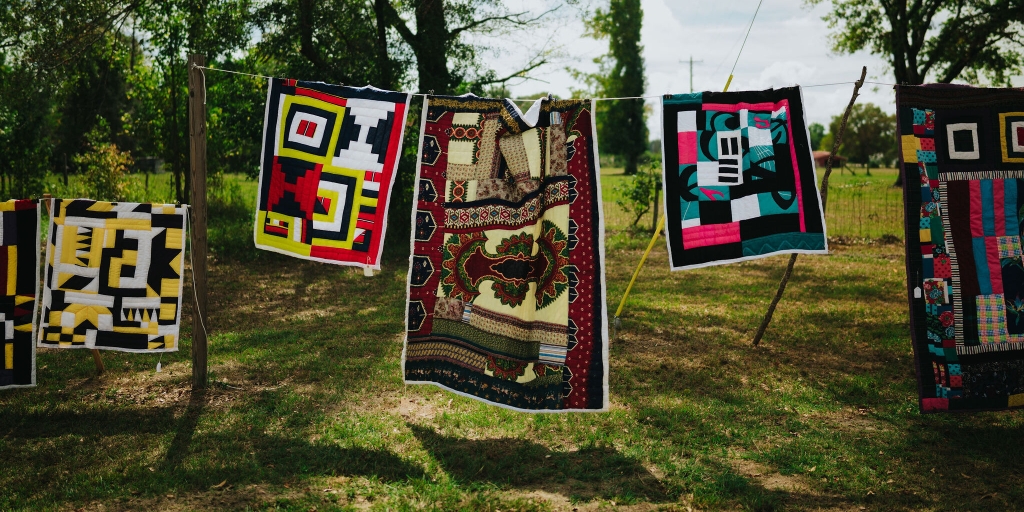
The new center sits adjacent to the historic sanctuary. According to the church, it will offer immersive experiences, oral history initiatives, artist residencies, community quilting projects, public speaker series and other programs tied to the history of Sixteenth Street Baptist Church and the broader Birmingham Civil Rights District.
Among the center’s signature exhibits is The River Wall, a permanent immersive installation inspired by the stained-glass window gifted to the church by the people of Wales following the 1963 bombing. The exhibit is designed to evolve over time, inviting visitors to reflect on their experience and make personal commitments inspired by the values of faith, justice and reconciliation.
The center will also feature Koinonia, a local restaurant intended as a gathering place where visitors can break bread and build relationships that strengthen community and foster reconciliation.
“The Education & Visitor Center stands at the intersection of history, reflection and recommitment. These three paths on their own are powerful,” said Dr. Terrence Brown, executive director of the Education & Visitor Center.
“However, the three combined with a renewed sense of commitment to making the world a better place is the panacea from the apothecary of life that can unite us all.”
“At the end of the day, the Education & Visitor Center is designed to demonstrate the power of faith and how that faith provided the fuel for those who came before us to be courageous,” Brown said.
Birmingham-based Watson Bruhn served as the general contractor for the construction of the Sixteenth Street Baptist Church Education & Visitor Center. The firm worked closely with church leaders and project partners to bring the vision for the center to life while honoring the historic significance of the site.
Tuesday’s opening featured live choral performances inspired by the church’s civil rights and freedom song traditions, quilting focused on social justice themes and public tours of the new facility.
“As we dedicate our Education & Visitor Center, we are creating more than a place to remember what happened here — we are creating a place where people can encounter the truth, wrestle with its meaning and discover their responsibility to the future,” Price said.
“We remember so that we might reflect. We reflect so that we might reengage. And we re-engage because there is still work for us to do.”
Founded in 1873, Sixteenth Street Baptist Church served as an organizational and staging ground for the youth-led marches of the 1963 Birmingham Campaign. It was designated a National Historic Landmark in 2006.
More information on the Education & Visitor Center is available at sixteenthstreetevcenter.com.