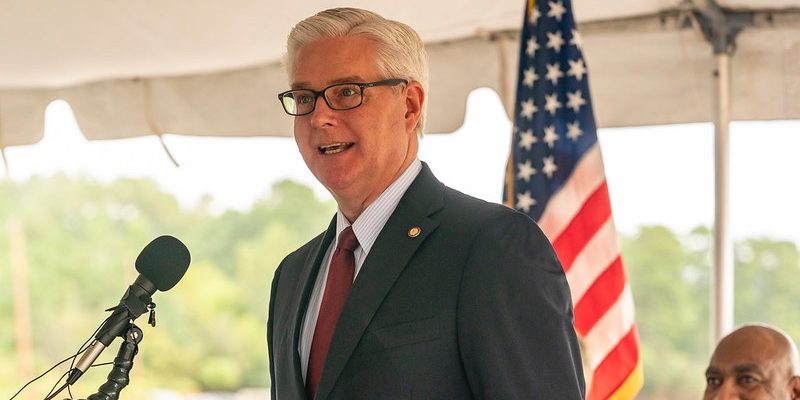
Alabama Secretary of Workforce Greg Reed says more Alabamians are working than at any point in state history as employment continues to grow across the state.
“For this year, we have, based on our statistical detail, more Alabamians working than ever in the history of the state of Alabama,” Reed said during an appearance on “Capitol Journal.”
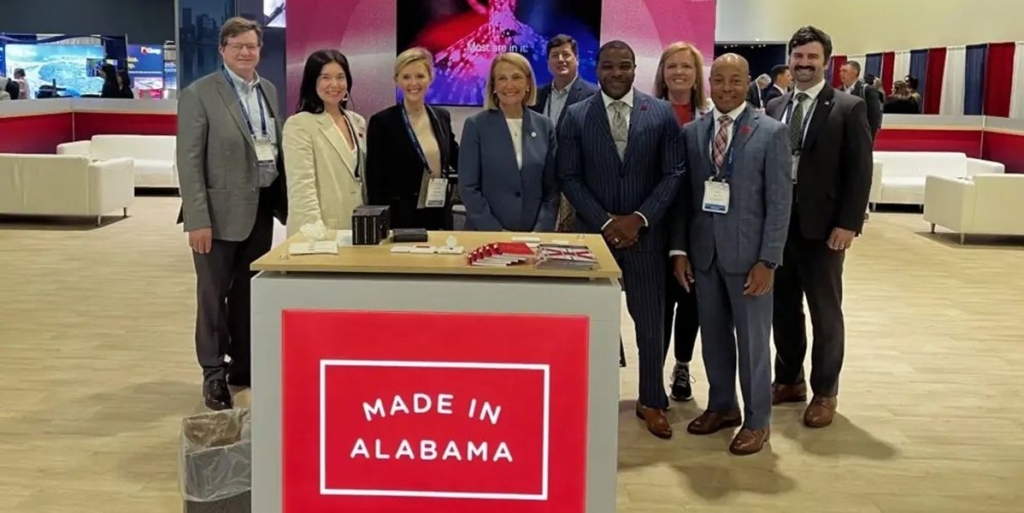
“We’ve got so many economic ideas that are flourishing within our state, whether it’s building ships and submarines or Eli Lilly in the north and all of the great things going on in the central part of the state, and I mean manufacturing and growth in every category,” he continued. “Being able to add that many jobs just in this window of time is extraordinary, and we’re excited about it.”
Alabama has added roughly 20,000 jobs over the past year, although the state has also seen a slight increase in unemployment and a dip in its overall workforce participation rate.
Reed argued that the participation number requires a closer look. The federal statistic includes Alabamians from age 16 through retirement age, and 62% of those classified as not participating in the workforce are older than 55.
Among prime-age workers, roughly ages 24 to 54, Alabama’s participation rate is around 80%.
“What’s the number that makes me the most concerned?” Reed asked. “The most concerning is looking at statistical details on folks 16 to 18, 18 to 26. What are our workforce participation numbers with younger folks? And sometimes those numbers are not what we want them to be.”
The challenge, he said, is reaching younger Alabamians who are not working and connecting them with skills for jobs already available in the state.
Reed also emphasized that Alabama’s economic growth cannot remain concentrated only in its largest metropolitan areas.
“If Alabama is going to accomplish everything she wants to economically, she must do it statewide, not just along the interstates,” he said.
One new tool aimed at expanding those opportunities is the Workforce Pell Grant, which allows federal Pell funding to cover qualifying short-term credential programs.
“This is a brand new set of dollars, millions of dollars nationwide that says to industry and says to educators and says primarily to students that qualifying credential programs can be paid for by the federal government,” Reed said.
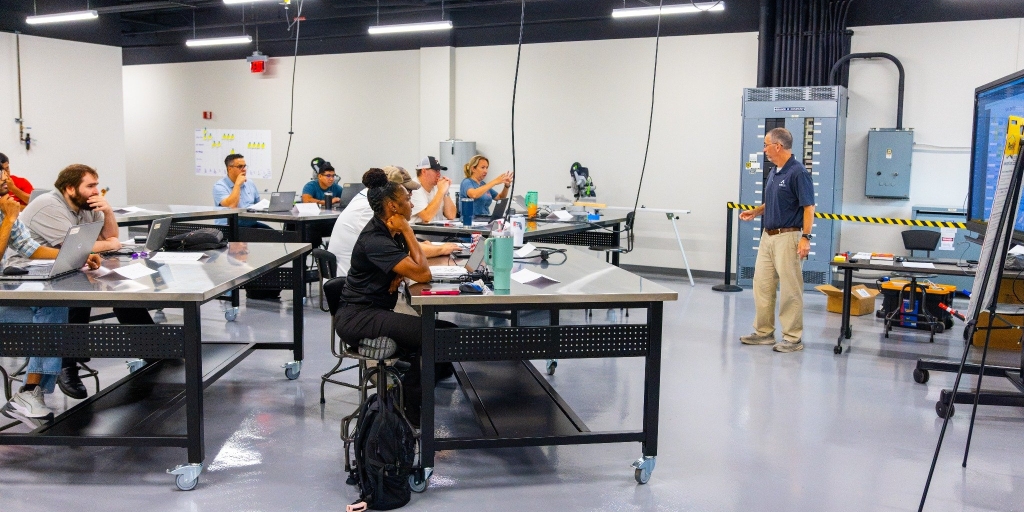
Eligible programs generally run eight to 14 weeks and must meet benchmarks for completion and employment. Reed said the funding could support training for occupations including EMTs, truck drivers and utility workers.
“It’s basically a Pell Grant, like you know of, to go to college to get a four-year degree,” Reed said. “It’s a Pell Grant that allows you to get training in an eight-to-14-week program.”
The Alabama Department of Workforce will work with education providers to review qualifying credential programs before they are submitted for federal approval.
“A lot of different programs are going to fall within that category,” Reed said. “And then folks that sign up for those programs, of which we need trained desperately in our economy, their training is going to be paid for by Pell Grant.”
Sawyer Knowles is a state and political reporter for Yellowhammer News. You may contact him at [email protected].