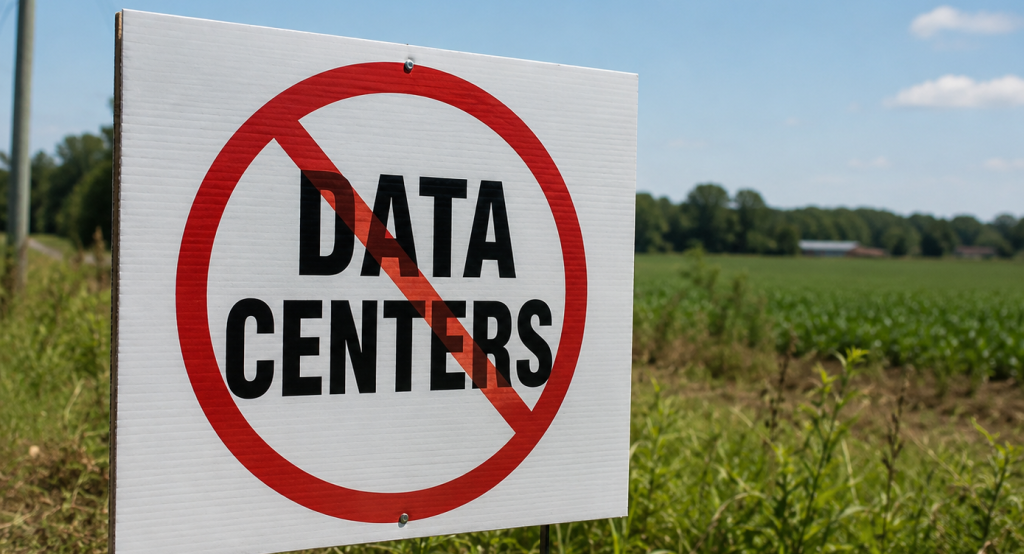
Last week, Prichard City Council weighed a 480-day moratorium on new data center permits at its meeting, following months of packed town halls and a 3,000-signature petition drive against Edged Energy’s $93 million project on Telegraph Road. A vote could come within days.
Congressional investigators say the opposition campaign that got it there wasn’t homegrown.
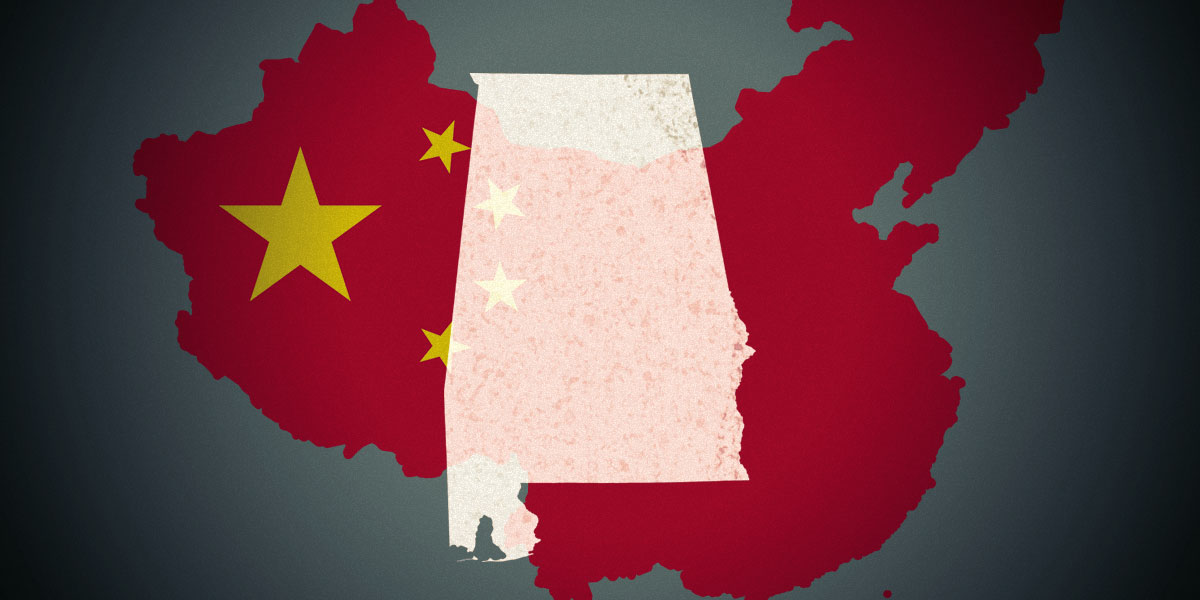
A report now in the hands of the FBI, cited by three U.S. House committee chairmen in a formal request for a federal investigation, names Alabama as one of at least 14 states where the Party for Socialism and Liberation (PSL), a Marxist organization tied to a Chinese-funded influence network, has organized on the ground to stall or kill American AI infrastructure projects.
The Bitcoin Policy Institute investigation, “The Singham Ground Game,” documents 21 campaigns across those states that have stalled or blocked an estimated $23.6 billion in data center investment through local moratoria, bans and rejected projects.
In Alabama, the report found, PSL’s Mobile chapter organized the opposition to the Prichard project, gathering more than 3,000 petition signatures and turning out residents for June’s town halls.
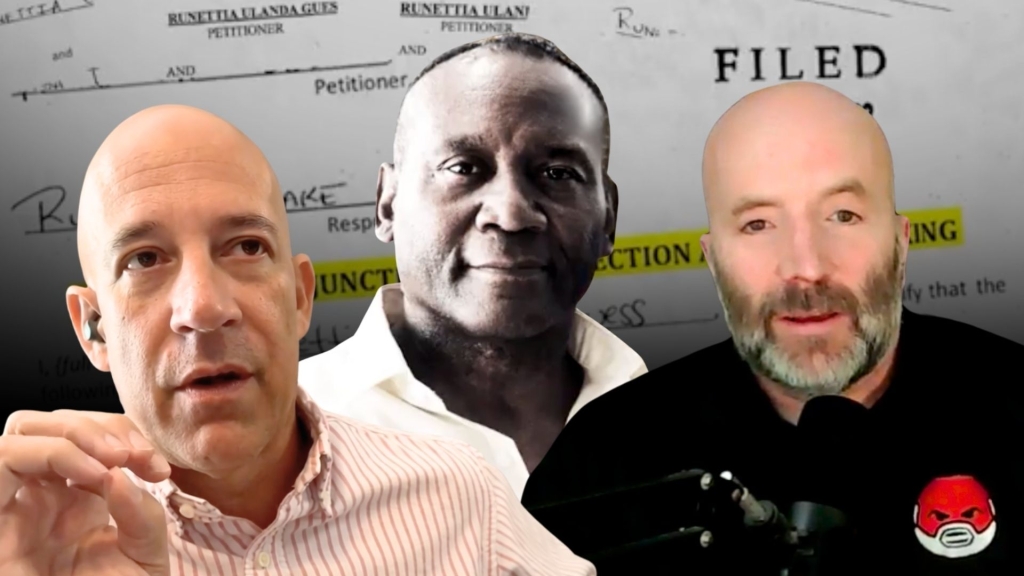
According to the report, PSL functions as the political arm of a nonprofit network built by Neville Roy Singham, a Shanghai-based American tycoon who moved roughly $278 million into U.S. nonprofits between 2017 and 2023. The New York Times has documented that Singham works from a Shanghai office shared with Chinese media firm Maku Group, decorated with “Always Follow the Party” banners and imagery of Chinese President Xi Jinping.
Singham is reportedly the subject of a federal grand jury investigation, and U.S. Senator Tom Cotton (R-Ark.) has asked the Department of Justice to investigate why no entity in the network has ever registered under the Foreign Agents Registration Act.
“We can’t allow any effort by foreign adversaries to extort these fears and undermine our technological development,” Cotton wrote.
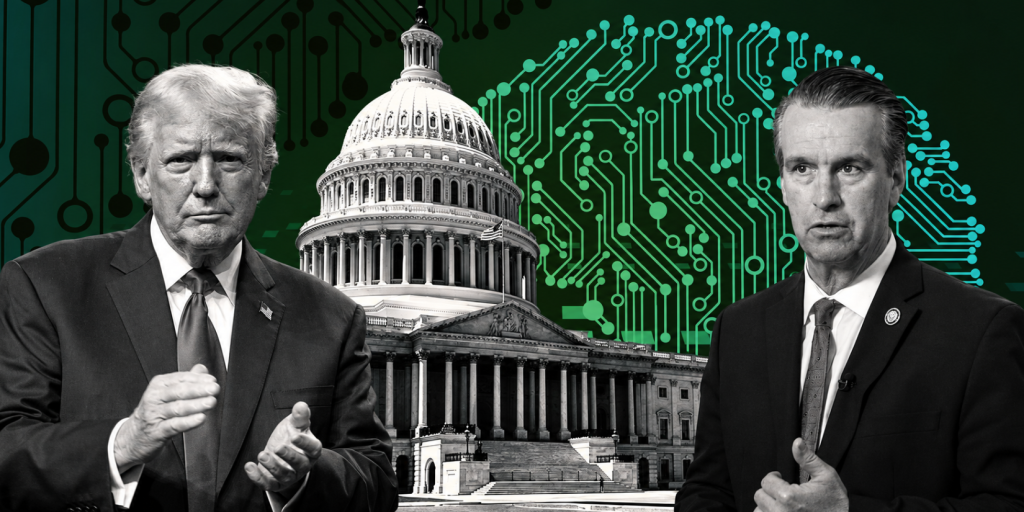
On June 4, House Energy and Commerce Committee Chairman Brett Guthrie (R-Ky.) and two subcommittee chairmen formally requested that FBI Director Kash Patel and White House AI advisers David Sacks and Michael Kratsios investigate foreign efforts to block the American data center buildout. Last week, a group of House Republicans led by Rep. Lance Gooden (R-Texas)urged the Justice Department to open its own probe.
“We believe that the Chinese and also the Russians are colluding and working to make sure that the United States of America is not the leader when it comes to AI policy and development,” Gooden said.
The intelligence community’s 2026 Annual Threat Assessment states that China “aims to displace the U.S. as the global AI leader by 2030.”
The campaign extends beyond street-level organizing. In June, OpenAI announced it had banned a cluster of China-linked ChatGPT accounts running what the company dubbed a “Data Center Bandwagon” operation, generating fake grassroots social media comments, memes and images claiming America’s data center buildout was “increasing electricity prices for average families.”
That is nearly word-for-word the message that flooded Alabama lawmakers’ inboxes during this year’s legislative session.
State Sen. Sam Givhan (R-Huntsville) told WVNN’s Dale Jackson that constituents rarely raise data centers with him face-to-face, yet his inbox filled during the session with messages that “were all from emails that were generated by some third party.”
U.S. Senator Tommy Tuberville, the Republican nominee for governor, told the Alabama Sheriffs Association this month that the opposition is being fed from abroad.
“They’re listening to all this nonsense they see on social media that’s coming from China because China does not want us to grow,” Tuberville (R-Auburn) said. “The state of Alabama will grow. We’re going to do data centers.”
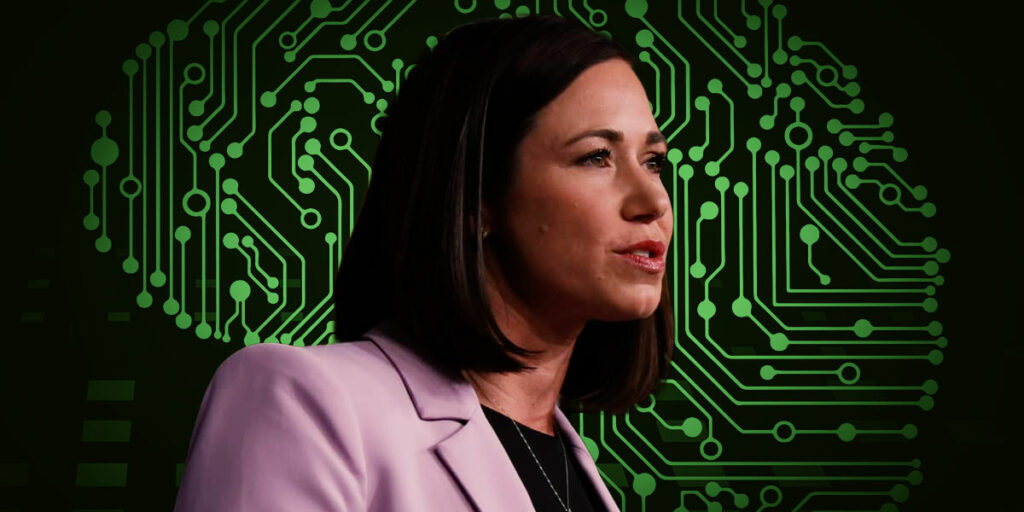
U.S. Senator Katie Britt (R-Montgomery) has called data centers “critical to maintaining our economic edge over China,” while insisting they “pay for their own electricity, not hardworking Americans.”
The moratorium is the campaign’s signature deliverable. The BPI report counts 10 local moratoria among the Singham network’s wins nationally, and the House chairmen’s letter to the FBI flags the push for state and local construction pauses alongside the federal AI Data Center Moratorium Act sponsored by Sen. Bernie Sanders (I-Vt.) and Rep. Alexandria Ocasio-Cortez (D-N.Y.). U.S. Rep. Terri Sewell (D-Birmingham) signed on to that bill last week.
The playbook has been documented before. In 2022, Google’s Mandiant threat intelligence unit exposed DRAGONBRIDGE, a pro-Beijing operation that deployed thousands of fake social media accounts — including accounts posing as concerned Texas residents in a “STOP LYNAS!” Facebook group — to stoke environmental and health fears about American rare earth projects that threatened China’s grip on the industry.
The same hallmarks have surfaced in Baldwin County. After the Public Service Commission approved an agreement between Alabama Power and a utility-scale solar project tied to Meta’s data center operations.
Its most vocal organizer was living in, and registered to vote in, Florida at the time.
A review of the group found it riddled with apparently fake accounts, and members doxxed the CEO of the company developing the project.
RELATED: Stockton area voters approve zoning – but Baldwin County says it won’t stop new solar farm
Both fights now converge on Montgomery. The PSC has opened a first-of-its-kind review of Alabama Power’s contracts with large-load data centers.
A docket covering both the Edged Energy project in Prichard and the Silicon Ranch solar projects near Stockton that will help power Meta’s Montgomery-area data center. Public comments are due August 6.
The docket’s purpose is to ensure data centers, not families, pay their own way.
“We require large-load customers, including data centers, to pay the full cost to serve their electric needs, so costs are not shifted to existing customers,” Alabama Power said in a statement.
The commission will read every comment filed between now and August 6. Given what Congress, the FBI and OpenAI now know, one question hangs over each of them:
Who really wrote it?