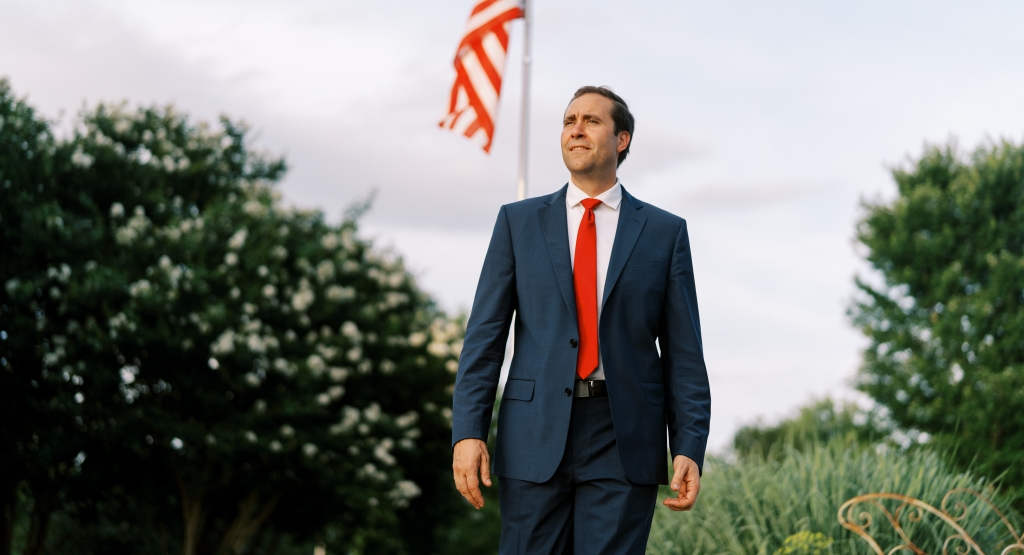
State Sen. Arthur Orr laid out several potential guardrails for Flock cameras in Alabama during a conversation with Yellowhammer News, including warrant requirements for some searches, limits on data retention and penalties for improper access.
Orr (R-Decatur) has raised questions about automated license plate readers for years. In 2021, he sponsored SB2, legislation that sought to establish statewide rules governing how law enforcement could collect, retain and use license plate recognition data.
The bill passed the Senate but did not become law. Orr said the eventual compromise led to ALDOT going through the administrative rulemaking process to establish statewide regulations governing the technology.
Current regulations restrict the commercialization of license plate reader data, require agencies to maintain access logs and allow collected data to be retained for up to five years.
Orr said one area lawmakers could examine is establishing when law enforcement should need a warrant to access Flock data.
He distinguished between emergency situations, such as an abducted child or suspects fleeing a bank robbery in a known vehicle, and investigations where there is no immediate threat.
“But in non-emergency type situations, I think we need to require a warrant,” Orr told Yellowhammer News.
Orr used the example of investigators looking into a burglary from six months earlier and wanting to determine whether a suspect’s vehicle was near the scene.
“Well, you can easily go to a judge and get a warrant for that,” he said.
Orr also discussed how long license plate data should remain available.
“I think it’s got to be a year or less,” he said, suggesting six months, nine months or one year as possibilities. “You don’t want to cripple law enforcement, but I don’t know how long we want that data just out there.”
Penalties for improper access were another area Orr said should be considered.
He pointed to situations in which an officer might use the system for a personal reason, including checking where a spouse, girlfriend or acquaintance has been.
“I don’t think a misdemeanor cuts it,” Orr said.
“We hear about law enforcement running tags for buddies and friends and this and that,” he said. “That needs to be completely unacceptable, and with the penalties to back it up if anybody’s ever caught.”
Orr said law enforcement has legitimate uses for the technology and noted that Flock cameras can help officers solve crimes and locate suspects. He also said limits should accompany that access.
“We can’t just roll over and say, ‘Oh, we trust you to do the right thing 100% of the time, anywhere, everywhere, with all this technology at your fingertips and the ability to snoop and spy on people with impunity,’” Orr said. “That’s a nonstarter for me.”
He said similar questions are likely to arise around other technologies, including facial recognition systems and drones.
“All of these are coming, and they’re coming quickly,” Orr said.
Orr said those developments raise broader questions about the relationship between public safety and individual liberty.
“Is it worth the potential of losing our freedoms to catch more bad guys?” Orr said. “That’s a valid question that’s got to be answered.”
Sawyer Knowles is a state and political reporter for Yellowhammer News. You may contact him at [email protected].