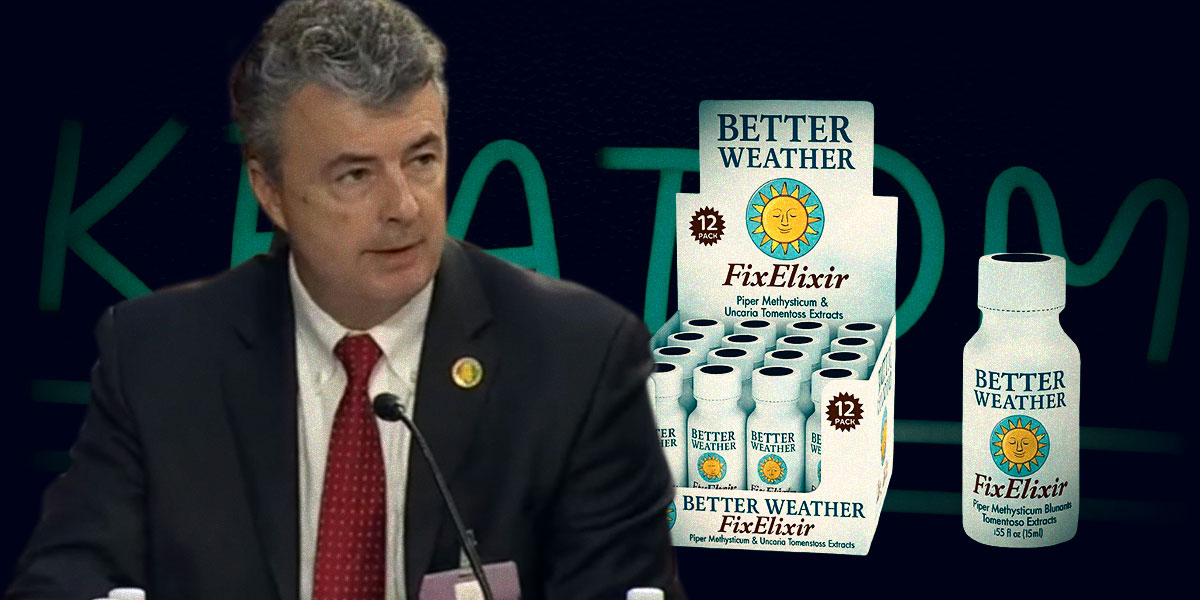
A joint statewide crackdown by the Attorney General’s Office and the Alabama Law Enforcement Agency seized nearly 123,000 doses of illegal kratom products from gas stations and wholesale distributors through Operation Southern Shield.
ALEA agents executed 83 search warrants across multiple counties over several weeks, seizing 63,995 bottles of kratom-containing products from retail locations and approximately 59,000 additional doses from two wholesale warehouses in Montgomery.
Investigators also identified multiple out-of-state distributors shipping illegal products into the state.
“Alabama will not be a marketplace for dangerous, illegal substances,” Attorney General Steve Marshall said. “We gave retailers every opportunity to comply, and those who chose to ignore the law are now facing the consequences.”
Kratom, classified as a Schedule I controlled substance in Alabama since 2016, has resurfaced in gas stations statewide despite repeated enforcement actions. The AG’s Office issued a cease-and-desist order in March targeting specific products and distributed the notice to every retail location holding an Alabama Beverage Control license. When undercover ALEA purchases confirmed retailers were still selling the products, the operation launched in May.
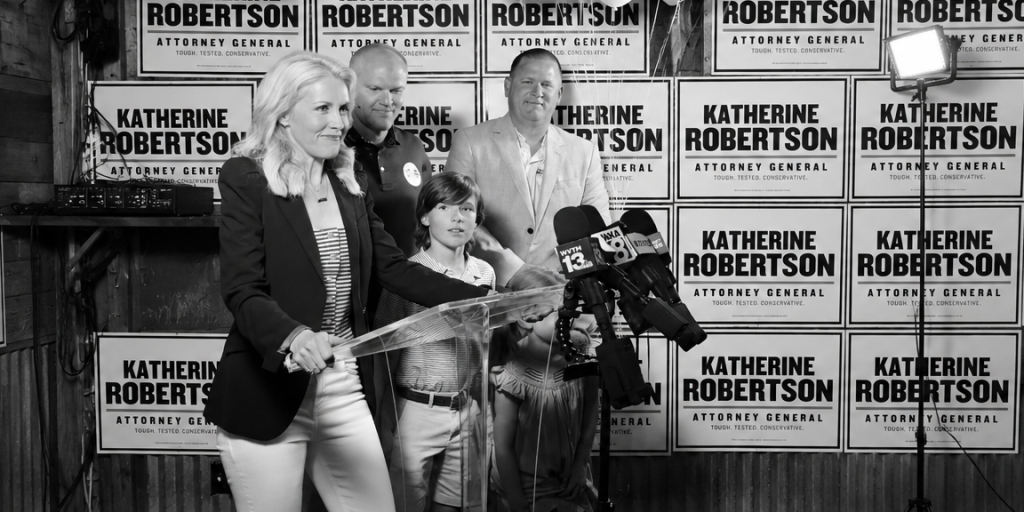
Katherine Robertson, Chief Counsel to Attorney General Marshall, said the products are not what their labels claim. Despite being marketed as relaxation or stress relief supplements, the products contain synthetic compounds with opioid-like effects that are highly concentrated and highly addictive.
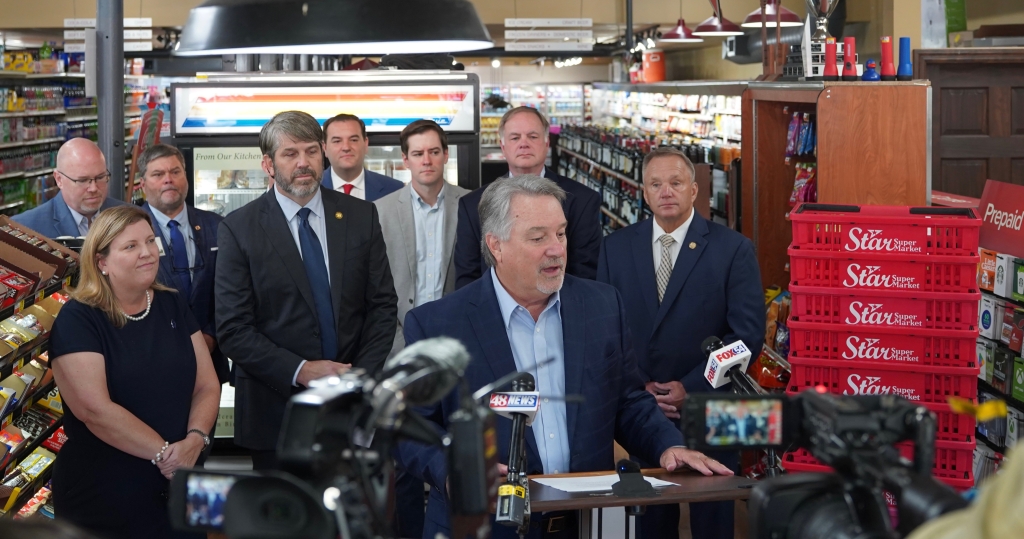
“We’ve actually gotten numerous reports of adverse health impacts,” Robertson said at a Monday press conference. “People go in, think they’re buying some kind of five-hour energy or maybe something to help them sleep or deal with stress, and end up being highly addicted.”
ALEA SBI Chief Shawn Lockridge said the products have generated complaints from local law enforcement across the state, particularly involving teenagers. He said kratom causes sedation, euphoria, hallucinations, and seizures in higher doses, and quitting can bring severe withdrawal symptoms requiring medical treatment.
“This operation sends a clear message that Alabama will continue to aggressively investigate violations involving illegal controlled substances,” Lockridge said.
No arrests have been announced. The investigation remains ongoing, and the AG’s Office said those who continue selling kratom products face felony prosecution under the state’s controlled substances act.
Sawyer Knowles is a state and political reporter for Yellowhammer News. You may contact him at [email protected].