Alabama parents know their children’s needs better than any school administrator, district program manager, or state-level bureaucrat ever could. That is not a political statement. It is a sentiment that many families across this state are expressing more vocally.
For decades, parents and children who needed alternative education options were let down or ignored by our state’s education establishment. Thankfully, we now have online educational options that are helping to change that paradigm.
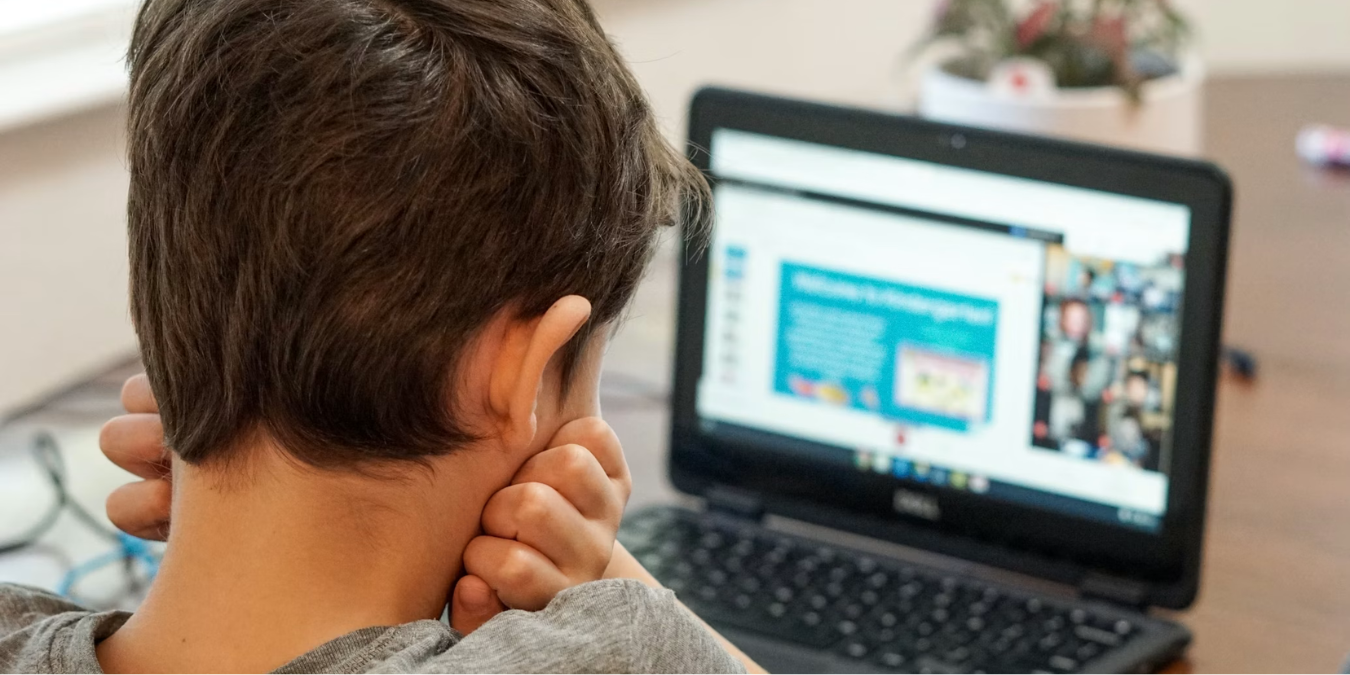
I’ve read a lot recently about how certain district-based virtual schools are reimagining how we educate our students. During my research, I realized that many virtual students live with special needs and anxiety disorders. Others simply require learning environments that do not fit inside a brick-and-mortar classroom. These programs – a true personalized option – represent a lifeline.
Loviessa Butler is an educator and a mother of three. Two of her children, twins Hosea and Nala, have significant learning needs. Hosea was diagnosed with autism at the age of three and is nonverbal. Nala has speech delays and intellectual disabilities. Ms. Butler recognized that a traditional classroom setting would create barriers for her children rather than open doors.
After enrolling her twins in Alabama Destinations Career Academy, a shift occurred in the children’s outcomes. Hosea began recognizing letters and speaking words. Nala now reads aloud with confidence and revisits lessons at her own pace. Her youngest, Samya, attends Alabama Virtual Academy, where a flexible gifted program lets her learn on her own terms.
Three children, three different paths, one family with the freedom to choose what works.
Nick Limberakis tells a similar story. A retired combat veteran who served this country for sixteen years, Limberakis watched his son John struggle for years with social separation anxiety that made traditional schooling nearly impossible. In 2019, he enrolled John in Alabama Virtual Academy. The transformation was not overnight, but it was real. A young man who was once paralyzed by fear is now a ninth grader preparing to begin dual enrollment courses and has more of a vision for the future.
Mr. Limberakis says it plainly: without an alternative option, his son might have become another statistic. Instead, he found a way forward.
The growth of virtual schools in Alabama confirms this option is no radical experiment. The examples above are not edge cases. They are evidence that the one-size-fits-all model does not work.
Alabama conservatives recognize that competition and choice improve outcomes, that centralized systems are resistant to change, and that parents are not obstacles to their children’s education. When a parent evaluates all options and chooses the one that fits his or her child’s needs, that is parental rights at its core.
Critics of school choice are always quick to point out the “dismantling” of public education that comes with newer educational models. Often lost in this outcry is the fact that thousands of Alabama students feel trapped in a system that may not serve them best.
Ms. Butler’s twins were not a budget line item. Mr. Limberakis’s son was not another statistic. They are children who needed something different, and Alabama policymakers have thankfully given them this personalized learning option.
Highlighting the benefits of virtual schools is something that I look forward to doing more of in the coming years. The technology exists. The programs are working. Most importantly, the students and families are grateful that we are listening.
Emily Jones is a candidate for Alabama State School Board District 8, and she writes regularly on education issues and parental rights in Alabama.