Alabama has never built its future by standing still. From steel mills and shipyards to aerospace, automotive manufacturing and energy production, our state has a long record of turning natural strengths into economic growth. Today, we face another defining opportunity. Carbon Capture and Storage (CCS) offers Alabama a practical path to lead in energy innovation while protecting jobs, attracting new industry and strengthening America’s energy security.
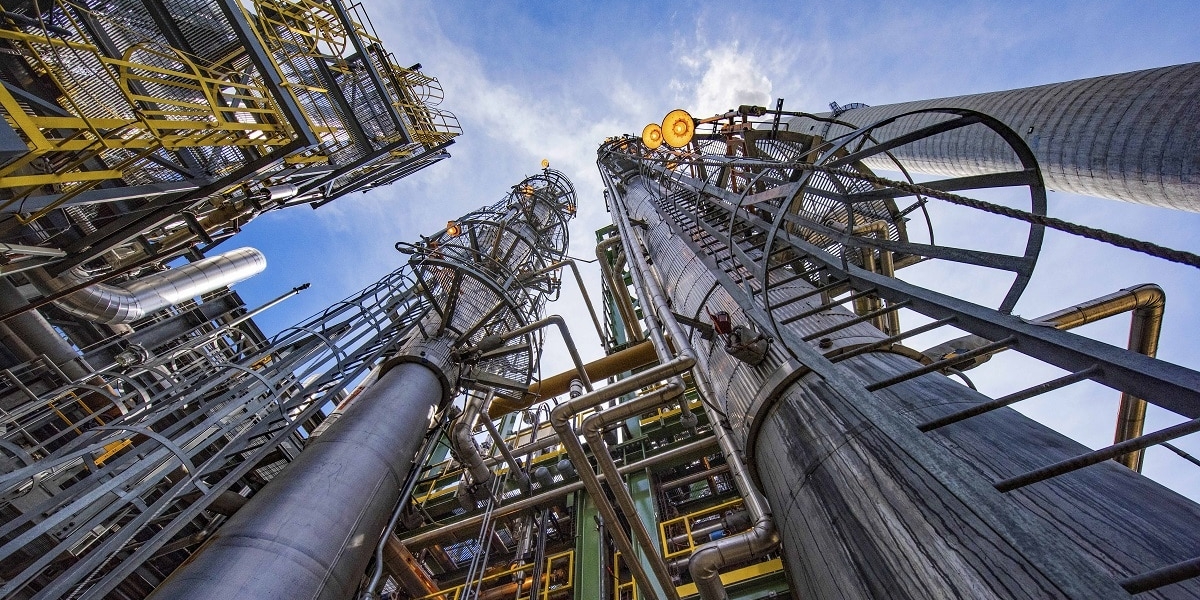
CCS is not speculative technology. It is already operating across the United States and globally, with projects expanding rapidly. Heavy industries such as cement, steel, refining and advanced manufacturing cannot eliminate emissions through renewable energy alone. These sectors require high heat and continuous power that currently depend on traditional fuels. CCS provides a workable solution: capturing carbon dioxide at its source and safely storing it deep underground, allowing production to continue while emissions are responsibly managed.
Few states are better positioned than Alabama to seize this opportunity.
Our geology provides a strong foundation. Deep saline formations and depleted oil and gas reservoirs thousands of feet below drinking water sources offer secure storage potential. These formations are capped by impermeable rock layers that prevent upward movement, making them well suited for long-term containment.
Equally important is our workforce. Alabama has decades of experience in energy production, pipeline management and heavy industry. Our engineers, geologists and skilled tradespeople understand safety protocols, precision operations and long-term stewardship. CCS builds on capabilities we already possess rather than requiring us to start from scratch.
In 2024, Alabama lawmakers recognized this advantage and passed the Carbon Dioxide Storage Facility Act. The law established a clear, science-based regulatory framework for permitting, operating and monitoring carbon storage facilities. By creating predictable rules and prioritizing safety, Alabama sent a strong signal to investors and manufacturers: this state is serious about innovation and ready for responsible development.
That clarity matters because competition is fierce. States such as Texas and Louisiana are aggressively pursuing CCS investment, integrating carbon management into their economic development strategies. Billions of dollars are flowing into projects nationwide. If Alabama hesitates, those investments—and the jobs that come with them—will land elsewhere.
These are not short-term gains. CCS facilities require engineers, technicians, construction crews, monitoring specialists and long-term operations staff. They support supply chains in manufacturing, transportation and equipment production. For rural communities in particular, carbon storage projects can bring sustained investment and stable employment.
CCS continues to receive bipartisan support because it reflects a practical reality: innovation often achieves more effective and sustainable results than mandates alone. The technology has been used safely for decades in industrial applications, including enhanced oil recovery. Storage sites are extensively studied before approval and continuously monitored afterward. Properly regulated, CCS provides a secure and proven method of managing emissions while maintaining affordable, reliable energy.
That reliability is critical. Electricity demand is rising due to advanced manufacturing, expanding technology use and population growth. Intermittent energy sources alone cannot meet around-the-clock needs. CCS allows the United States to continue using abundant domestic energy resources while improving environmental performance and reducing dependence on foreign imports.
The choice before Alabama is clear. We can lead, or we can watch others claim the benefits. The Carbon Dioxide Storage Facility Act was an important first step, but continued commitment to science-based regulation and timely permitting will determine whether we fully capitalize on this opportunity.
Alabama has the geology, the workforce and the policy framework to become a national leader in carbon capture and storage. Embracing CCS is not about choosing between economic growth and environmental responsibility. It is about advancing both through innovation.
Opportunity is knocking once again. With decisive action, Alabama can answer—and lead.
Jon Barganier is President and CEO of Manufacture Alabama, the only trade association in the state dedicated exclusively to the competitive, legislative, regulatory and operational interests and needs of manufacturers and their partner industries and businesses.