This morning, Alabama Public Library Service (APLS) Board Chairman John Wahl issued a formal letter to the Fairhope Public Library Board outlining the APLS Board’s determination that the library remains ineligible for state funding due to continued noncompliance with Alabama Administrative Code requirements.
The letter was sent at the request of the Fairhope Public Library’s director following last Thursday’s APLS Board meeting.
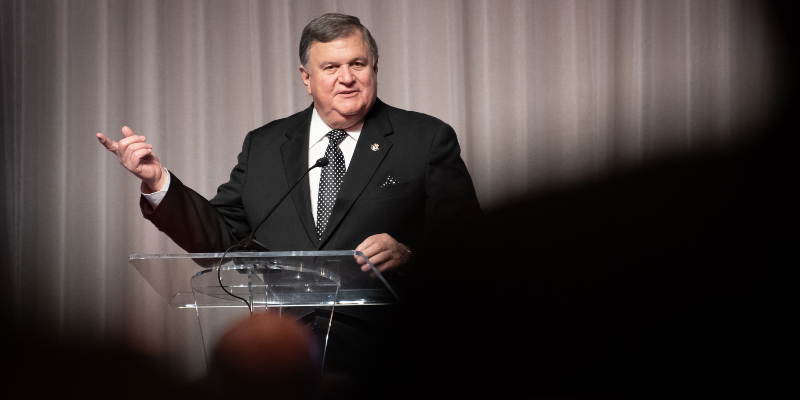
“The purpose of this letter is to clearly and transparently explain the APLS Board’s decision and outline the path forward,” Wahl said.
“Relocating sexually explicit materials to appropriate adult sections is a reasonable step that respects the rights of all families without denying access to those who seek it.”
The APLS Board determined last week that the Fairhope Public Library remains out of compliance with Chapter 520-2-2 of the Alabama Administrative Code because sexually explicit materials continue to be placed in the library’s youth sections.
“The sexual content in these books is shockingly explicit and vulgar,” Wahl said.
“For as long as societies have existed, they have recognized the importance of protecting children from potentially harmful material. We place age restrictions on movies, music, and video games. We restrict minors from purchasing alcohol, tobacco, and firearms. Safeguarding children is a fundamental responsibility, and families in Alabama deserve to know that public libraries respect them and are committed to being safe, welcoming places for people of all ages.”
Wahl said the APLS Board remains firmly committed to putting Alabama families first.
“The APLS Board is unapologetic about our commitment to protect children across our state,” Wahl said.
“No parent should have to worry about their child stumbling upon explicit material in a section intended for minors. This issue is about parental rights, age appropriateness, and ensuring that decisions impacting children are guided by common sense—not by unelected bureaucrats.”