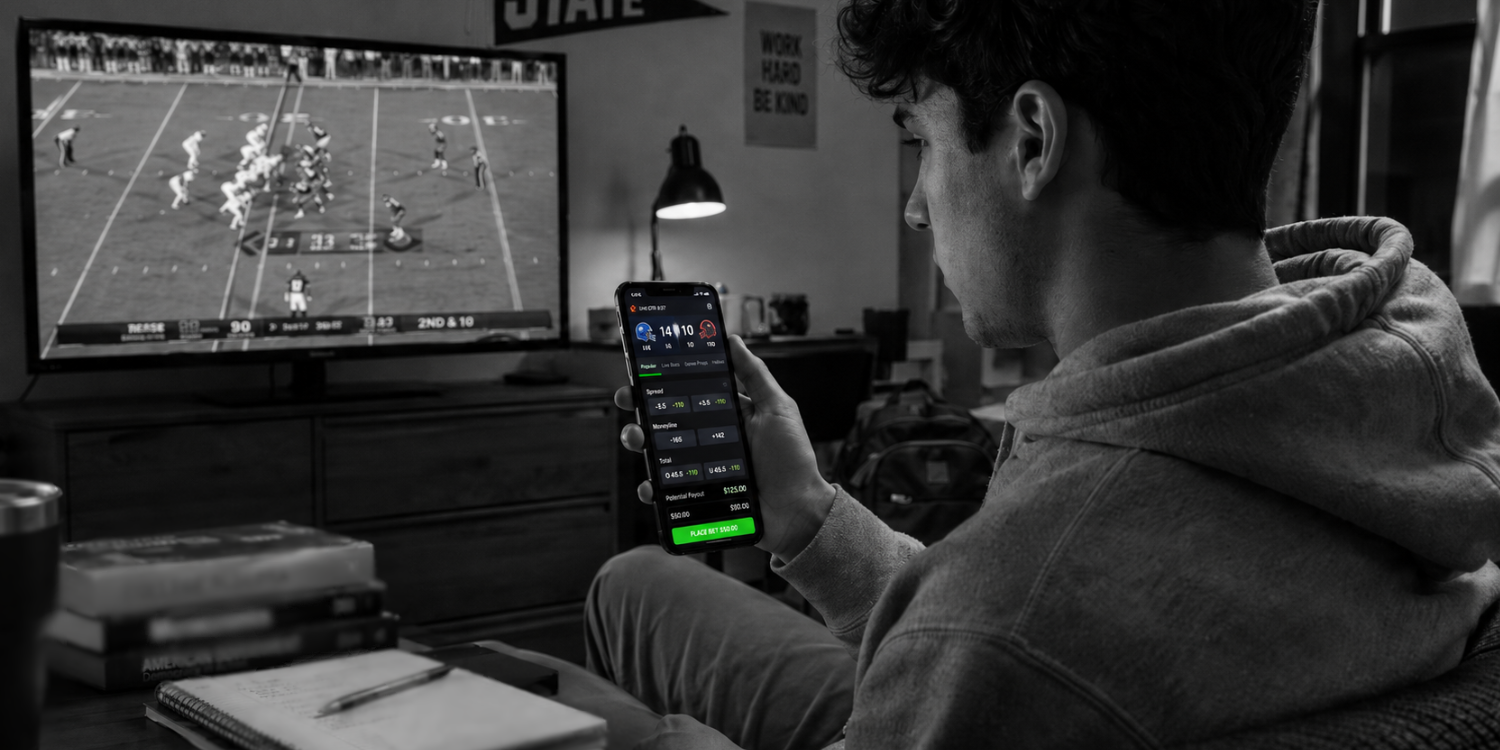
Sports gambling is everywhere, especially on our college campuses. Any student will tell you that. If you turn on ESPN, get on X, or listen to a sports podcast, all you hear is “What’s the line?”
It’s so prevalent that it may come as a surprise that Alabama doesn’t allow legal and regulated online sports betting companies to operate in our state – which means the only options for my classmates are illegal operations and shady offshore platforms.
The reality is that the unregulated and unchecked sports betting market is growing every day on Alabama campuses – but lawmakers have the power to usher in protected gaming and put an end to these predatory practices.
Legalizing sports betting really just means access to responsible gaming resources, age and ID verification, and overall safer gaming.
On offshore platforms, they do not verify ages. If you are 16, 17, or 18, it does not matter. If these shady books can make a profit, they will let you play. Other emerging “prediction” platforms, like Kalshi, allow 18-year-olds to place bets on their sites.
These operators have no oversight and often encourage bettors to play on credit. For many college students, credit-based betting becomes the default, leaving some hundreds – sometimes thousands – of dollars in debt to illegal bookmakers. Offshore platforms and informal operators function outside the law, with no real protections in place for users.
The only effective way to curb these predatory practices is to offer a regulated alternative through legalized sports betting with strong consumer safeguards. Legalization brings transparency and oversight, requiring verified operators, enforcing guaranteed payouts, providing dispute resolution mechanisms, and ensuring strict age and identity verification.
A regulated market also helps protect consumers by establishing clear accountability standards that illegal markets simply do not have. At the same time, it helps reduce the influence of black-market operators by creating enforceable licensing systems and allowing authorities to monitor transactions more effectively, shutting down illegal activity and improving overall compliance.
I understand older generations feel that gambling and sports betting can be seen as bad for society at large, but the truth is that sports betting is already here in a completely unregulated and illegal environment. Instead of allowing younger men to drift towards illegal and foreign sportsbooks, the new moral question at hand is whether Alabama will legalize the activity and regulate it so that people can enjoy sports betting in a safer environment.
If Alabama lawmakers stay with the status quo, predatory gambling operations will continue to grow. While illegal operators increase their revenue, the state of Alabama will continue to lose millions of tax dollars that could be used to crack down on bad actors and educate young people about the dangers of addiction.
I am asking our leaders to act. To be thoughtful and pragmatic because the status quo is a losing proposition for everyone, especially young people.
Graham Hodges and is a third-year student at the University of Alabama from Birmingham, Alabama studying mechanical engineering.