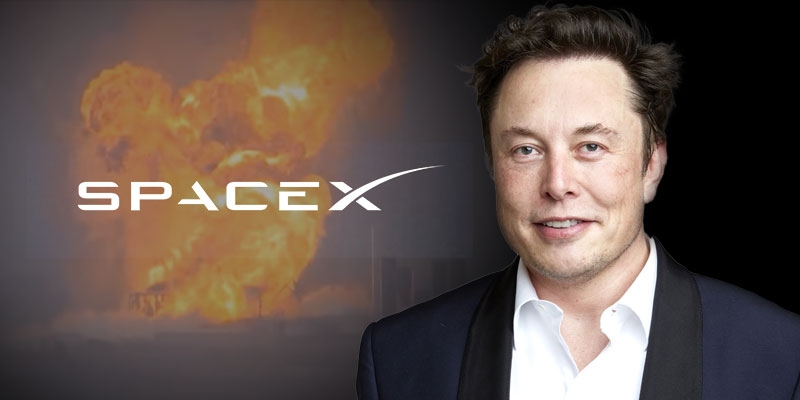
SpaceX’s initial public offering (IPO) made Elon Musk humanity’s first trillionaire. This threshold has escalated leftist rhetoric against the rich. Mr. Musk’s wealth illustrates important aspects of markets and the nature of seizing wealth.
Forbes estimates billionaires’ wealth and puts Mr. Musk at $1.2 trillion, with more than half in SpaceX stock and options (about $750 billion; SpaceX includes the former Twitter and his AI business). Mr. Musk also owns stakes in Tesla, Boring, and Neuralink.
Mr. Musk does not have $1 trillion in cash, gold or bank deposits. His wealth is the market value of these companies. This also is true for many Forbes self-made billionaires.
If the wealth is in stock values, does it exist only on paper? In one sense, yes. Mr. Musk could not easily sell his stake in SpaceX, for two reasons. First, stock prices, like all prices, reflect demand and supply, or investors wanting to buy and current owners willing to sell respectively. Stock prices should reflect a company’s current and future profits. Future profits exist, however, only in investors’ expectations of future performance.
When too many investors sell at once, the increase in supply reduces the price. Most investments are illiquid or difficult to cash out – stock, corporate bonds, commercial real estate, and Van Gogh paintings. SpaceX’s $2 trillion market capitalization presumes normal selling by stockholders. It would take years to sell Mr. Musk’s 38 percent stake without lowering the price.
SpaceX’s $2 trillion value is based on the future. Revenue in 2025 (not profit) was $19 billion. Some critics of finance argue that investors’ exclusive focus on the present hurts long-term performance. This charge, if true, would represent an inefficiency. SpaceX’s IPO demonstrates investors’ patience.
This reveals a second reason Mr. Musk cannot cash out his ownership. SpaceX is likely worth $2 trillion only because Mr. Musk runs it. His unique talents and vision sustain SpaceX’s value. Mr. Musk remains a trillionaire only as long as he works tirelessly to make SpaceX succeed.
America’s socialist politicians talk today about seizing billionaires’ wealth or the means of production. But Mr. Musk’s wealth and SpaceX’s value result from his talent and vision. “Seizure” consequently means forcing Mr. Musk (and other entrepreneurs) to create wealth for socialists to use.
This demonstrates socialism’s immorality and impracticality. Goods and services must be produced. Someone must discover how to produce these things, do the hard work of production, and adjust to changing conditions. Socialists do not propose to create the goods needed for prosperity; they seek to take from others.
The need to force entrepreneurs to produce reveals the impracticality of socialism. To be sure, the motives of super creators like Mr. Musk provide a puzzle for economists. Economic models presume that investors value profits because they can then consume goods, services, and experiences. Yet Mr. Musk already had more money than one could spend in multiple lifetimes after building Tesla.
If more money is not why Mr. Musk built SpaceX, could socialists make him work for them? I do not believe that wealth creators will work for Bernie Sanders, AOC, or Comrade Mamdani. This yields the issue succinctly identified by Margaret Thatcher: “The problem with socialism is that you eventually run out of other people’s money.”
Many commentators have suggested that no could ever really earn a trillion dollars. Leftists usually start with Marx and exploitation. Yet because market transactions are voluntary, all workers, suppliers, investors, and customers of Mr. Musk’s companies must perceive value in doing business with him. Market transactions create value for all involved; workers are not expropriated.
SpaceX’s IPO particularly, which reportedly made 4,400 employees millionaires, exposes this fallacy. The employees who helped build the company were partly paid in stock and now share its prosperity. But the employees did not exclusively create SpaceX’s success. The company required collaborative effort and Mr. Musk’s vision and plan to make its welders millionaires.
Capitalism harnesses the incredible talents of individuals like Elon Musk to produce things that people will pay for. Mr. Musk will remain a trillionaire only as long as his companies create value. Market wealth comes not from taking from people but instead making things they value.
Daniel Sutter is the Charles G. Koch Professor of Economics at Troy University. The opinions expressed in this column are the author’s and do not necessarily reflect the views of Troy University.