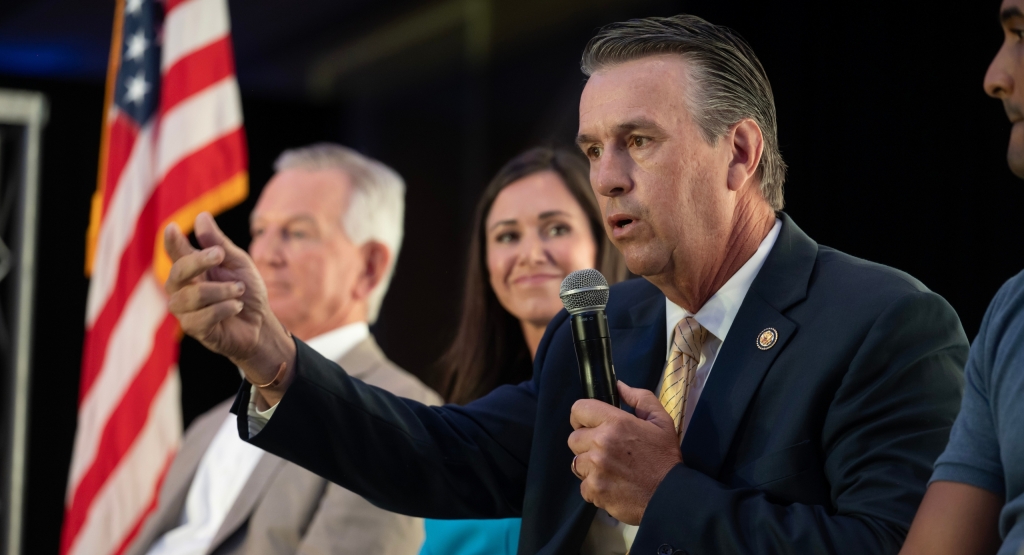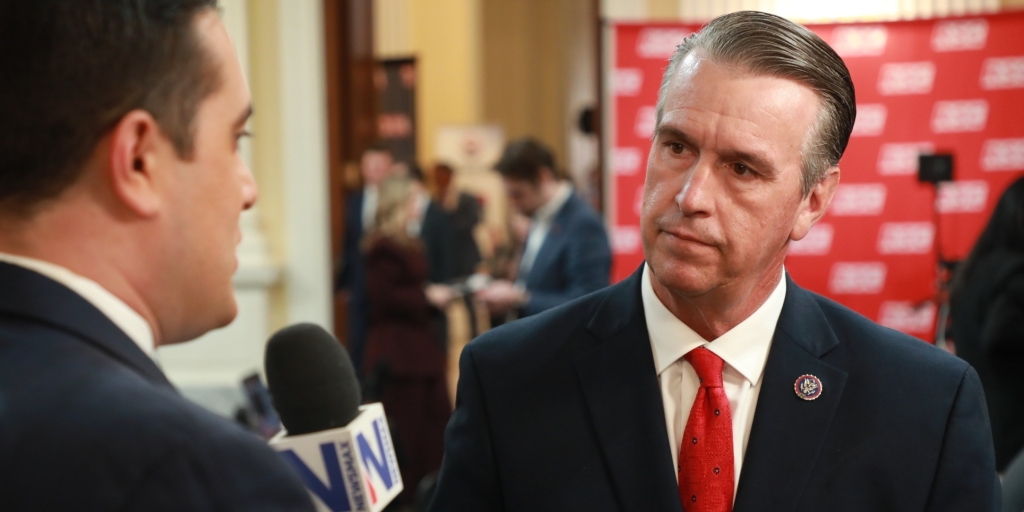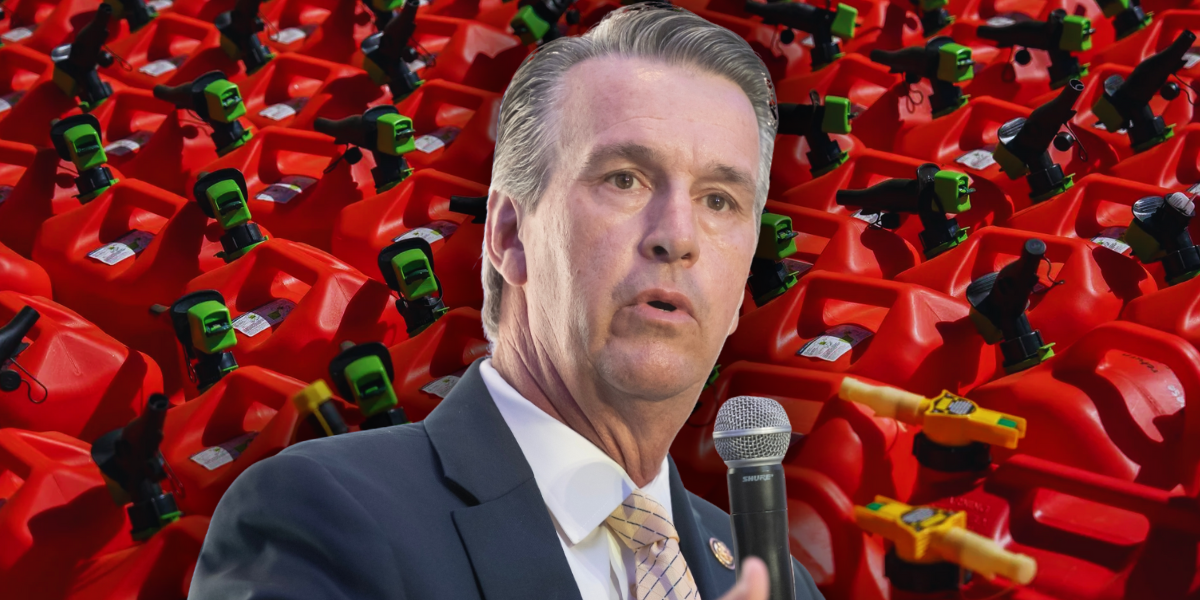
U.S. Rep. Barry Moore (R-Enterprise) is taking aim at a new regulatory sprawl in Washington with a new bill he says would end the “slow-pour” gas can era in America.
Moore, who is also a candidate for Alabama’s open U.S. Senate seat in 2026, introduced the Freedom to Fuel Act alongside U.S. Rep. Julie Fedorchak (R-ND).
Moore says the proposal is meant to restore common sense to the federal rulemaking process by stopping the EPA from imposing unnecessary and burdensome regulations on something as basic and essential as a gas can.
“For years, farmers, construction crews, small businesses, and homeowners have been forced to use government-mandated, slow-pour, spill-prone gas cans that break easily and make simple tasks harder,” Moore said.
The issue stems from a 2007 EPA rule that imposed strict evaporative-emissions limits on all portable fuel containers made after January 1, 2009.
“From day one, President Trump and Republicans have been committed to cutting red tape, empowering American workers, and restoring common sense,” Moore continued.
“The Freedom to Fuel Act is one more step toward eliminating outdated rules and bringing policy that makes the American people’s lives easier back to Washington.”
The rule pushed manufacturers toward complicated, vent-less designs that hinder fuel flow, cause spills, and increase breakage. It also saddled small manufacturers with costly testing and certification requirements – all without delivering meaningful environmental benefits.
“Who hasn’t had the maddening experience of filling up a lawnmower or snowmobile with gas only to spill it everywhere because of the terrible nozzles? Gas cans contribute only a tiny share of emissions, yet the Biden administration created an emissions mandate that resulted in this frustrating design,” Fedorchak said. “Glad to work with Rep. Moore on the Freedom to Fuel Act to roll back this nonsense.”
Key Provisions of the Freedom to Fuel Act:
- Amends the Clean Air Act to clarify the definition of “consumer or commercial product.”
- Explicitly excludes portable fuel containers, fuels and fuel additives regulated under Section 211, and motor vehicles, non-road vehicles, and engines already regulated elsewhere in federal law.
- Prevents duplicative or inappropriate EPA oversight so that portable gas cans are no longer subject to unnecessary consumer product emissions controls.
Yaffee is a contributing writer to Yellowhammer News and hosts “The Yaffee Program” weekdays 9-11 a.m. on WVNN. You can follow him on X @Yaffee