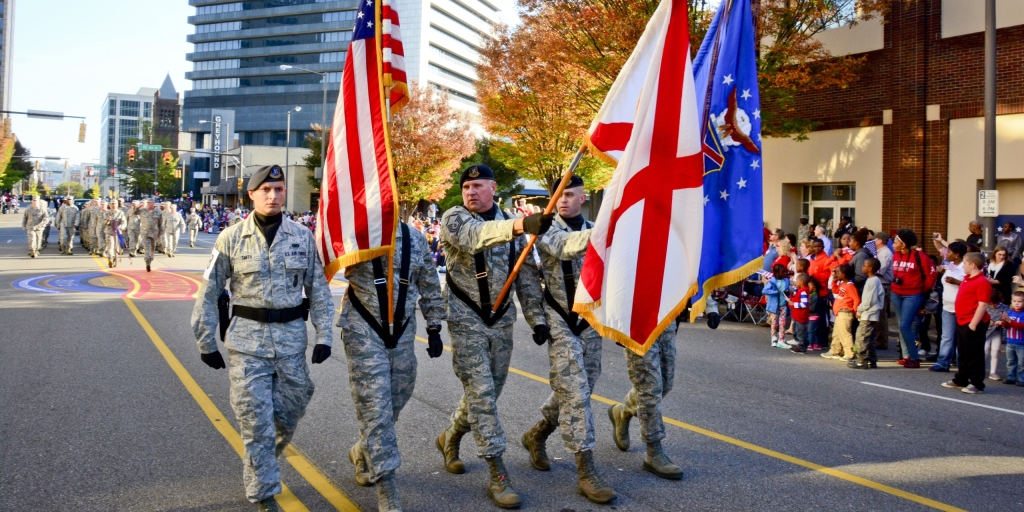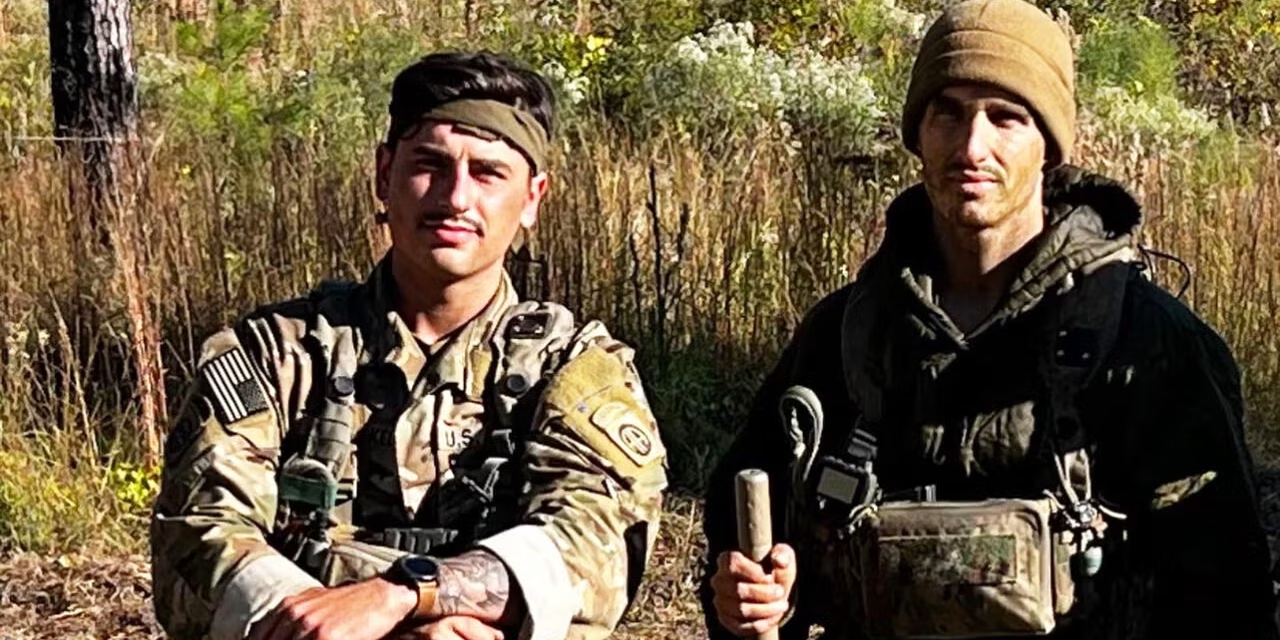
Growing up in New Salisbury, Indiana, Blake Schickel had two dream jobs — becoming the starting catcher for the Philadelphia Phillies and joining the military.
“I realized pretty quickly that only one of those was in the cards for me,” Schickel said with a laugh. “My dad was in the army, and I have a bunch of family members who were as well. A lot of it also stemmed from watching the movie ‘Saving Private Ryan’ when I was a little kid. That was kind of the beginning of it. I was like, ‘Wow, I want to do that.’”
A few years later, that childhood ambition became reality.
After enlisting through the Army’s Delayed Entry Program while still in high school, Schickel left for basic training following his graduation in 2019. Over the next four-and-a-half years, he served as an infantryman stationed at Fort Bragg, North Carolina, deploying to both Iraq and Afghanistan and experiencing a military career defined by a demanding operational tempo.
The Army taught Schickel how to lead under pressure, make high-stakes decisions and prepare relentlessly for the task at hand. However, when he completed his service in December 2024, he faced a challenge unlike any he had encountered before — relearning civilian life while pursuing a college degree.
“You go from a position where human lives are regularly reliant on your sound decision-making,” Schickel said. “Then you get out, and it’s like, ‘Nobody’s relying on me for anything now.’ I’m just relying on myself. Like, ‘Where’s my purpose? Why does this even matter?’”
Fortunately, Schickel didn’t have to navigate the transition alone. Through The University of Alabama’s Veteran and Military Affairs office and the Student Veterans Association, he quickly connected with fellow veterans, campus resources and leadership opportunities that helped him find his footing both in and out of the classroom.
“I remember thinking, ‘Man, if I didn’t have these guys to walk me through everything and show me where to go, I would’ve been completely lost,’” Schickel said. “Miss Lisa (Fells, with Veteran Success On Campus) sat me down and gave me a long checklist of everything I needed to do to optimize my experience here. From there, everything began to mesh together quickly.”

Schickel’s expedited transition into student life allowed him to pursue the leadership role and accountability he was craving.
Drawn by the impact the Student Veterans Association had on his transition, Schickel immersed himself in the organization. By the end of his first semester at UA, he ascended into the role of SVA president, helping fellow student veterans navigate many of the same challenges he had recently faced himself.
“He’s just a self-driven guy,” said Trey Deputy, VMA program manager. “He wants to do what’s best for himself, but he also wants to leave a legacy and a better path for those who are coming after him.”
The renewed sense of purpose Schickel received from VMA and SVA allowed him to broaden his impact beyond campus. One of the most meaningful relationships to emerge from his time at Alabama is his friendship with Edward Whatley, a Vietnam veteran who has served as a mentor over the past two years.
He now calls Whatley one of his best friends, regularly helping the 85-year-old maintain his property in Moundville while also scheduling monthly dinners with him and other veterans.
“Blake is a just a genuinely nice person,” Whatley said. “I’ve had the opportunity to interact with a lot of younger veterans through the VMA, and it’s always encouraging to me to be around young people who have their heads screwed on right. Blake is one of those. He’s outgoing and has a great worldview. It’s been really enjoyable to get to know him and see him settle in to the community here.”
Schickel’s leadership and academic achievements have also earned recognition beyond the veteran community, as he was selected as a Shelby Scholar earlier this year. A junior at UA, Blake is also interning with Nightforce Optics. There, he is learning about optomechanical design engineering while helping to develop rifle scope technology used by military personnel.
Now fully transitioned into civilian life, Blake thanks the VMA and SVA for setting him up on a new mission. While his service in the military might be behind him, his impact on campus and the community continues to grow.
“Blake’s just different,” said Kelvin Hutchinson, who worked alongside Blake as a VMA student leader during Schickel’s time as SVA president. “I think he has essentially reimagined and reshaped what it means to be a veteran and go back to school. Blake is one of those people who is redefining standards and showing people, ‘Hey, we belong here as well.’ I think you are going to see a shift of more people from the VMA following that path in the coming years. You have people like Blake to credit for that.”
Courtesy of The University of Alabama