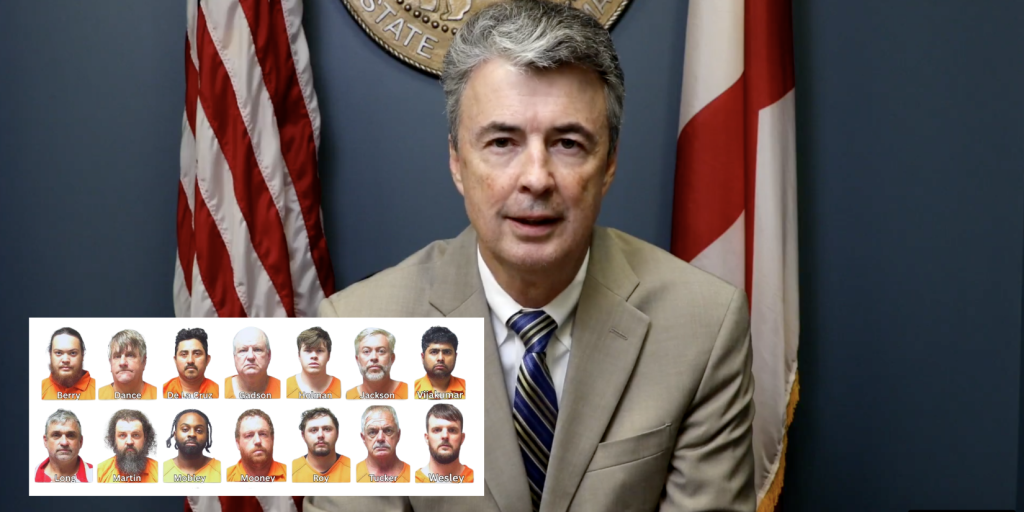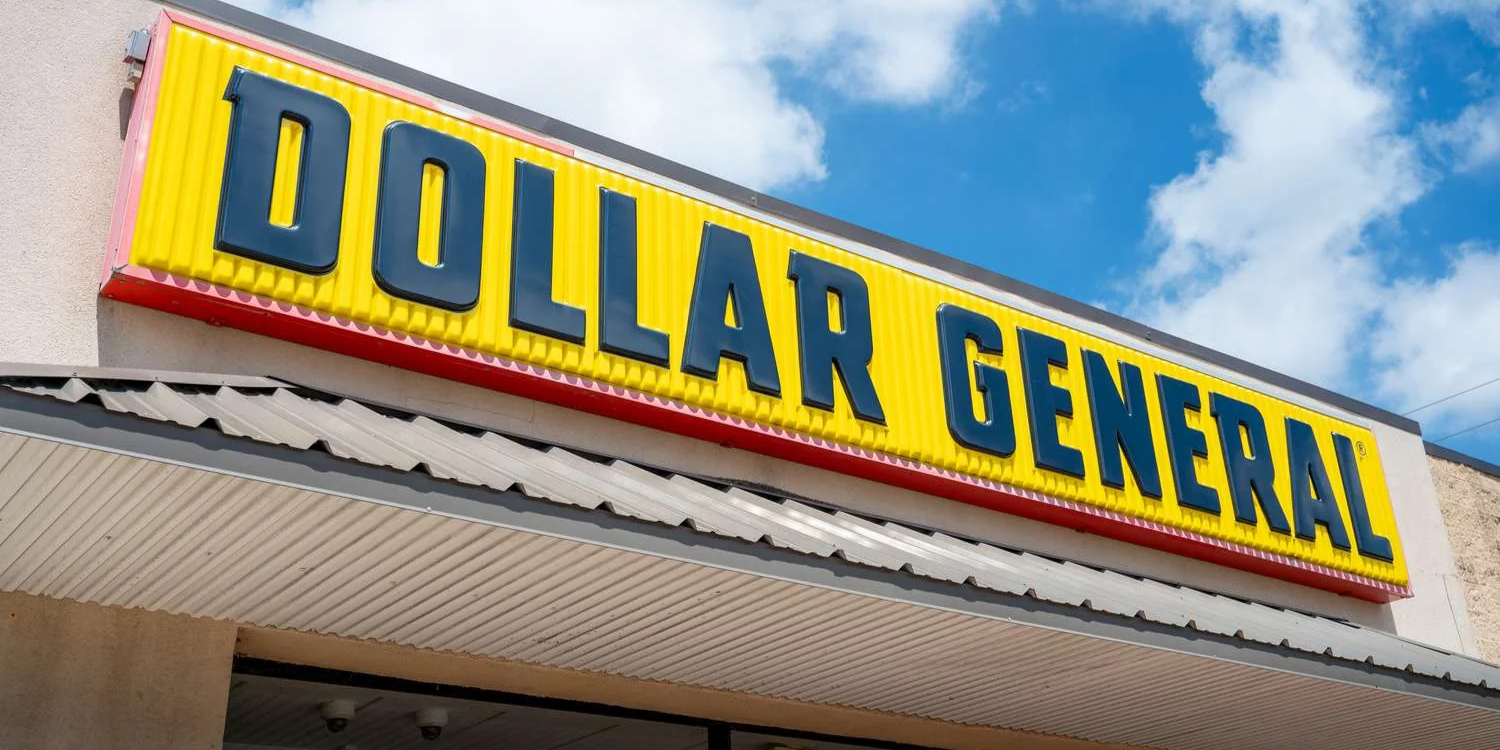
Alabama Attorney General Steve Marshall joined the Federal Trade Commission and 19 other states on Monday in a federal lawsuit accusing Dollar General of charging customers more at the register than the prices on its shelves, tags and ads for years, and of doing it while knowing full well it was happening.
Dollar General operates nearly 1,000 stores in Alabama, more than any chain in the state. The company’s own numbers, cited in the complaint, say roughly 80% of its stores sit in towns of 20,000 people or fewer and that households earning $35,000 or less make up 60% of its revenue.
“The price on the shelf is supposed to be the price you pay,” Marshall said. “We believe that Dollar General advertised one price and charged another at the register, and Alabama families who count every dollar were the ones who paid for it. We are joining with nineteen states and the FTC because this isn’t a one-off.”
The complaint, filed in federal court in Nashville, includes Alabama shoppers among the thousands who reported the problem directly to the company.
In June, an Alabama customer complained she “purchased multiple items from Dollar General in which the price on the receipt scanned higher than the shelf price. For example, the price of Twinkies had a shelf price of $2.50, but the receipt price was $3.50. This happened with other items such as paper towels, toilet paper, and bleach.”
In June 2024, Dollar General logged an Alabama customer who “said that there is a promotional discount that if you buy 3 of this Dr. [P]epper diet 6 packs you can get it for only $8 total. She said that it is all over in the store and on the DG APP[,] and the promo is not applied on her purchase. She said that she just noticed it once she got home[.]”
Between January 2023 and March 2026, Dollar General received at least 29,265 complaints it filed under the category “Did Not Honor Marked Price,” from every one of the 48 states where it operates, according to the complaint.
FTC investigators made undercover purchases at Dollar General stores in four states earlier this year. Every trip produced overcharges. At a Cleveland store in January, 13 of 58 items rang up at a price different from the shelf tag, an error rate of 22.4%.
The complaint says the company has paid more than $6 million to settle seven state actions over the same conduct since 2019, has been hit with eight class-action lawsuits over pricing since 2022, and failed more than 39% of state pricing inspections in Kansas and more than 45% in Utah and in Columbus, Ohio. In Wisconsin, inspectors found the average overcharge ran 17% above the posted price.
Dollar General’s own policies call for a five-hour “Compliance Tuesday” shift each week to swap out old shelf tags.
The complaint says the system does not work in practice: price changes hit the register whether or not the shelf has been updated, and because core price changes are usually increases, the gap almost always runs against the customer.
A former lead sales associate in Louisiana told a reporter she “threw away [new price] tags sometimes” to keep herself or coworkers out of trouble, according to the complaint.
Dollar General has said it will fight the case.
“Our goal is 100% accuracy between shelf and register prices in every store,” the company said in a statement. “As with other retailers and despite our policies and procedures, occasional price discrepancies can occur. When that happens, our store teams are instructed, empowered, and expected to make things right for the customer.”
The company said FTC staff “demanded a monetary amount that was untethered to — and orders of magnitude larger than — any realistic assessment of amounts attributable to pricing discrepancies,” and that it “will defend this litigation vigorously.”
The lawsuit seeks a permanent injunction, restitution for customers and civil penalties under the FTC Act, the Gramm-Leach-Bliley Act and state consumer laws, including Alabama’s Deceptive Trade Practices Act.
Grayson Everett is the editor in chief of Yellowhammer News. You can follow him on X @Grayson270.