The University of Alabama at Birmingham is joining a national effort to expand nutrition training for medical students, placing UAB among 53 medical schools committing to strengthening how future doctors learn about diet and disease prevention.
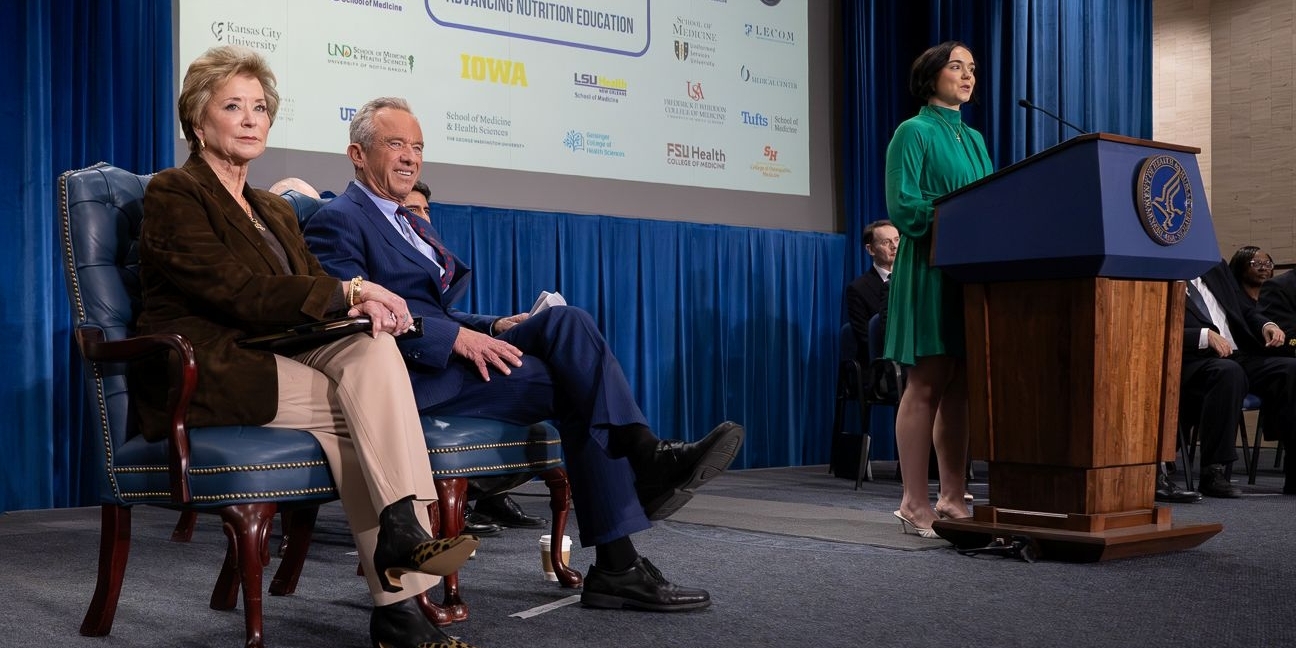
The announcement came during a meeting in Washington, D.C., where leaders from the U.S. Department of Health and Human Services (HHS) and the U.S. Department of Education convened representatives from 53 medical schools across 31 states to commit to increasing nutrition education in medical training.
Under the agreement, participating institutions — including UAB — will provide at least 40 hours of nutrition education, or a 40-hour competency equivalent, for students beginning in the fall of 2026.
Federal officials said the initiative aims to better prepare doctors to address diet-related health issues that contribute to chronic disease across the United States.
“Chronic disease is bankrupting our health system, and poor nutrition sits at the center of that crisis,” said Health and Human Services Secretary Robert F. Kennedy, Jr. “Today medical schools are committing to change how America trains its doctors — by putting nutrition back where it belongs: at the heart of patient care.”
U.S. Secretary of Education Linda McMahon said the commitments demonstrate a growing recognition of nutrition’s role in preventive healthcare.
“Today’s announcement demonstrates that medical schools can put nutrition and prevention front and center as they train tomorrow’s doctors and healthcare leaders. It’s an honor to celebrate the dozens of medical schools stepping up to strengthen nutrition education — an essential but often overlooked aspect of public health,” McMahon said. “To make America great again, we must make it healthy — and today’s commitment by leading universities is a critical step down that road.”
Medical leaders also welcomed the effort to strengthen training in an area that has historically received limited attention in physician education.
“Today, there is real momentum to bring evidence-based nutrition education into medical school and residency training,” said American Medical Association President Bobby Mukkamala, MD. “We applaud the administration for recognizing that if we’re serious about prevention, nutrition must be foundational in medical education. Giving physicians the skills to have impactful conversations with our patients about food and lifestyle is one of the most practical, immediate steps we can take to improve health and prevent disease.”
A 2022 survey published in the Journal of Wellness found that medical students receive an average of 1.2 hours of formal nutrition education each year. The survey also found that three-fourths of U.S. medical schools do not require clinical nutrition courses, and only 14% of residency programs require a nutrition curriculum.
To support expanded instruction, HHS announced it will dedicate $5 million through a multi-phase National Institutes of Health nutrition education challenge to help medical schools, nursing residency programs, nutrition science programs and dietician training programs integrate nutrition education into their curricula.
The funding will help institutions develop coursework, clinical training opportunities and research initiatives focused on evidence-based nutrition science.
In addition to changes in medical schools, Public Health Service officers will also be required to complete nutrition-focused continuing education hours beginning this year to ensure both future and current healthcare professionals receive stronger training in nutrition and preventive health.
Sherri Blevins is a staff writer for Yellowhammer News. You may contact her at [email protected].