The University of Alabama has launched a new brain health initiative designed to help people across the state navigate the often complicated road to recovery after a traumatic brain injury.
The program, called Comprehensive Post-Acute Specialty Services, or COMPASS, provides coordinated evaluations for patients who continue experiencing cognitive, emotional, neurological or functional challenges after leaving acute medical care. The University of Alabama said the initiative brings specialists together in a single assessment to give patients and their families clearer guidance during long-term recovery.
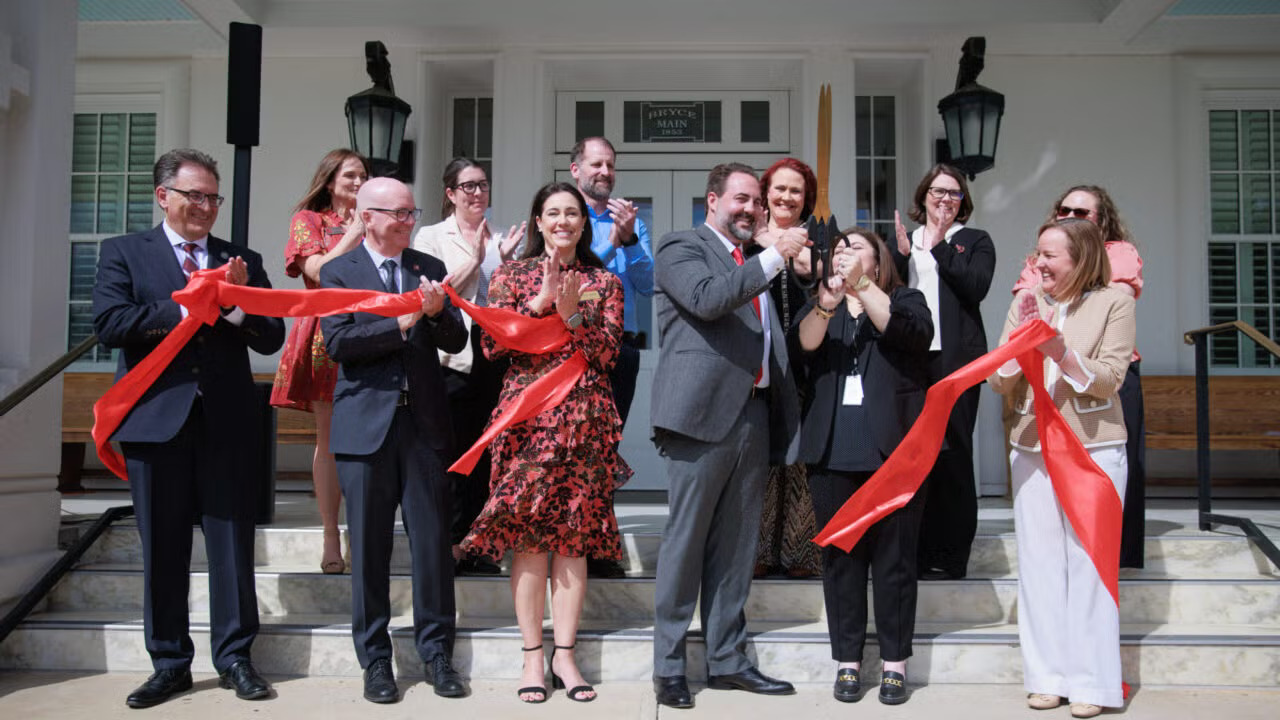
University of Alabama and Alabama Department of Rehabilitation Services leaders recently marked the launch of the program with a ribbon-cutting ceremony in Tuscaloosa.
The clinic is housed in the Institute for Social Science Research within the J. Frank Barefield Jr. College of Arts and Sciences and operates out of the University of Alabama Welcome Center, where a university psychology clinic already accepts patients.
University officials said COMPASS was created to address a challenge many brain injury patients face after leaving the hospital. While emergency and acute care systems often save lives following traumatic brain injuries, many individuals continue to struggle with lingering symptoms and must navigate multiple providers without a coordinated plan for long-term recovery.
The initiative uses a structured, family-centered approach that includes caregivers in the evaluation process to better understand how brain injuries affect daily life, communication and long-term functioning. Patients receive a same-day interdisciplinary evaluation that combines multiple clinical perspectives into one coordinated visit, producing a unified set of recommendations tailored to each individual.
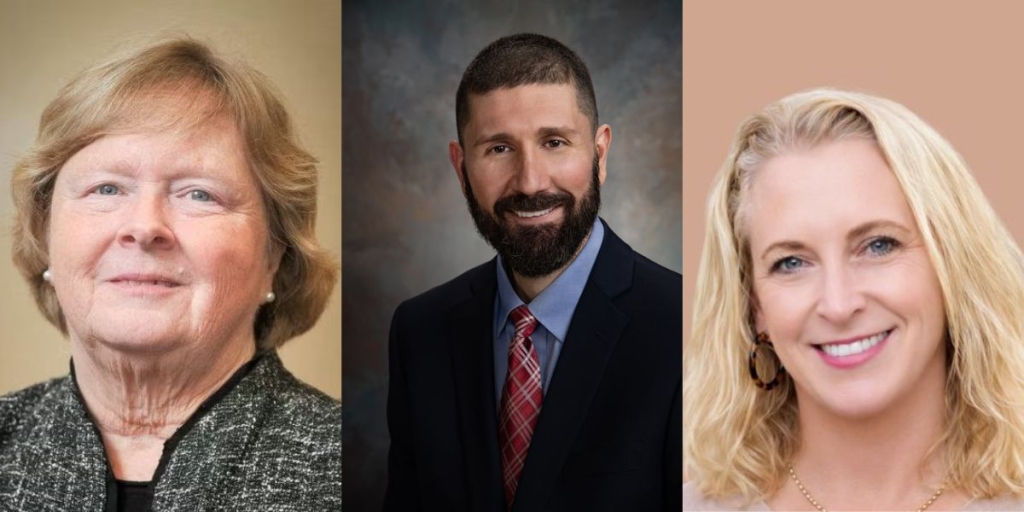
“COMPASS was developed because too many individuals living with the long-term effects of brain injury find themselves navigating fragmented systems without clear answers,” said David White, director of the COMPASS initiative.
“Even when imaging appears normal, cognitive, emotional and behavioral symptoms can persist and profoundly affect daily life,” he said in the university announcement.
The program is sponsored and fully funded by the Alabama Department of Rehabilitation Services, meaning services are provided free of charge to eligible patients. Officials said the clinic is contractually required to ensure that no Alabamian pays for care through the program.
All referrals to the COMPASS clinic must come through the Alabama Department of Rehabilitation Services, specifically through the state’s traumatic brain injury program, which coordinates services and resources for individuals recovering from brain injuries.
Officials expect the program to serve patients from across Alabama, including both civilians and members of the military community. The University of Alabama said roughly half of those served will be civilians and half will be active-duty service members or veterans.
Tuscaloosa’s clinic is part of a broader statewide network of traumatic brain injury treatment centers. Other state-affiliated centers operate at Jefferson State Community College, Calhoun Community College and the University of South Alabama ROTC Program, according to the report.
University officials said the COMPASS initiative builds on collaboration between the Governor’s Office, the Veterans Mental Health Steering Committee, rehabilitation partners, the Alabama Department of Veterans Affairs, the Alabama Department of Mental Health and other agencies working to strengthen Alabama’s brain injury system of care.
ADRS Commissioner Jane Elizabeth Burdeshaw said traumatic brain injuries often require specialized treatment and long-term support.
“As the lead agency for the coordination of TBI services, the Alabama Department of Rehabilitation Services can now connect more veterans and civilians with crucial behavioral health services, supports and resources through this new clinic partnership,” Burdeshaw said in the university release.
For many patients and families navigating life after a traumatic brain injury, the new COMPASS clinic offers something that has often been difficult to find — coordinated care, clearer answers and a roadmap for the long path to recovery.
Sherri Blevins is a staff writer for Yellowhammer News. You may contact her at [email protected].