Trade groups are encouraging greater collaboration between data center developers and local communities, arguing that open communication and clear expectations are key to ensuring successful projects and long-term economic benefits.
In an industry-backed overview of data center development, trade groups highlighted the growing role these facilities play in supporting the modern economy, noting that sectors ranging from healthcare and education to national security rely heavily on data storage, cloud computing, and artificial intelligence infrastructure.
The groups argue that cities that embrace data center development are better positioned to compete for investment, while those that adopt restrictive zoning policies risk missing out on economic opportunities.
According to the overview, data centers can provide a strong and reliable source of revenue for local governments by expanding the tax base without placing significant demands on city services. Individual projects can represent investments ranging from hundreds of millions to billions of dollars and may offer long-term, predictable funding streams for public priorities.
Trade groups also point to job creation tied to data center projects. Large-scale construction efforts can generate thousands of high-paying jobs, while ongoing operations support a smaller number of skilled, stable positions. Additional economic activity can benefit local contractors, suppliers, and small businesses.
The overview further highlights infrastructure improvements associated with data center development, including expanded broadband and fiber access, strengthened power and utility systems, and increased capacity for future growth. These enhancements, the groups argue, can help position cities like Birmingham to attract additional industries.
The document warns that restrictive rezoning policies could push potential projects to other cities, resulting in lost jobs, reduced tax revenue for schools and public services, and a diminished competitive edge.
While data center projects have drawn opposition from some residents in areas where developments have been proposed—often centered on concerns about land use, energy demand, and water consumption—trade groups maintain that the economic and infrastructure benefits can outweigh those concerns when projects are properly planned and communicated.
At a recent Birmingham City Council public hearing, Jay Reed, president of the Associated Builders and Contractors of Alabama, spoke in favor of a thoughtful, measured data center approach. Reed said he was speaking on behalf of ABC of Alabama, the Associated General Contractors of Alabama, and the Birmingham Construction Industry Authority.
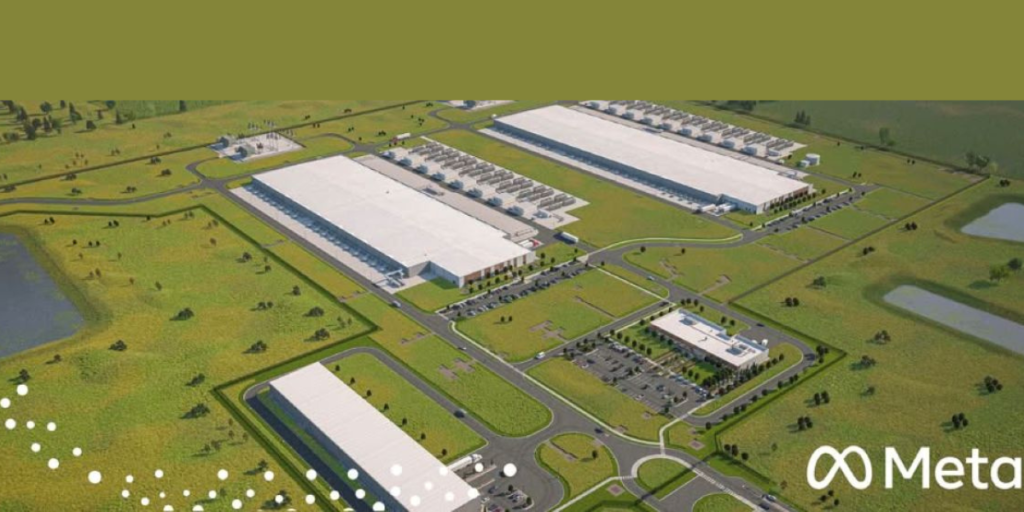
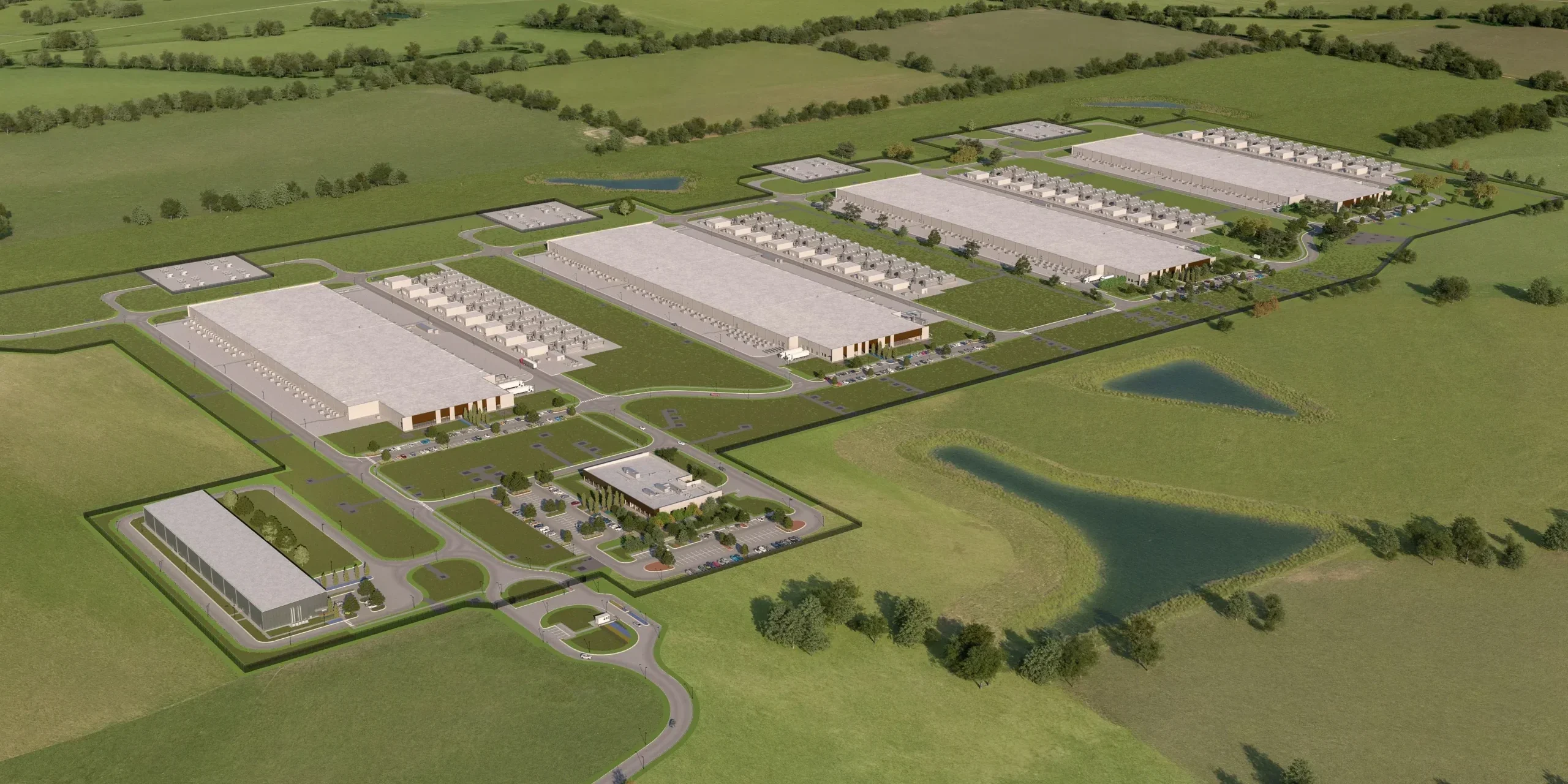
As an example, the overview references a major data center investment by Meta in Montgomery, Alabama, which brought approximately $1.5 billion in investment, more than 1,000 construction jobs, and over 100 permanent positions.
Trade groups suggest that a balanced approach—one that allows for growth while setting clear expectations—offers the most effective path forward. Recommended considerations include independent fiscal impact analyses, local hiring commitments, transparency around energy and water usage, renewable energy goals, and community benefits tied to project development.
Sherri Blevins is a staff writer for Yellowhammer News. You may contact her at [email protected].